Single-pipe lining

New-build quality in existing structures – trenchless and precise

Single-pipe lining is a high-quality method for trenchless rehabilitation and renewal of channels with new-build quality. Through precise prefabrication and the exact installation of individual pipe segments, a new pipeline system is created within the existing route.

The focus is on maximum precision, minimal surface intervention, and an economical implementation with simultaneously high hydraulic serviceability.

For which pipelines is the process suitable?

Nominal diameter range

DN 200 – DN 3000 (depending on the project)

Existing pipe materials

Concrete, reinforced concrete, vitrified clay, cast iron, plastic, etc.

Pipe geometry

Round, egg-shaped, and special profiles (e.g. dragon profile)

Condition of the existing pipe

Cracks, infiltration, exfiltration, corrosion, material fatigue

Mode of operation

Gravity flow in the sewer network

Renovation objective

Lining, cross-section adjustment, slope adjustment, or capacity increase

Areas of application

  • Main and collector channels

  • Combined and stormwater channels

  • Pipelines with complex geometry or bends

  • Rehabilitation in cases of hydraulic overload

  • Cross-sectional optimization in existing networks

  • Renewal in the existing route similar to new construction

How single-pipe lining works

At the beginning, a precise 3D survey of the existing pipeline is carried out. On this basis, the pipe segments are individually prefabricated and manufactured to fit exactly.

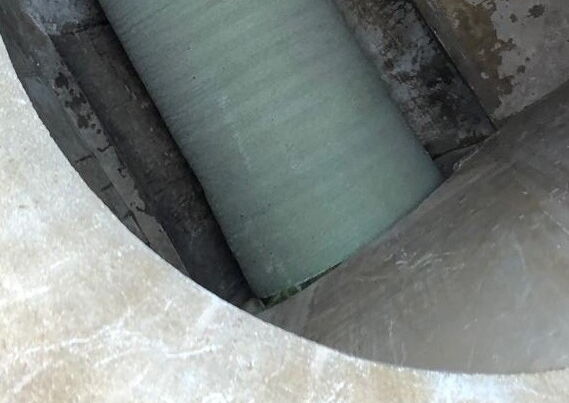
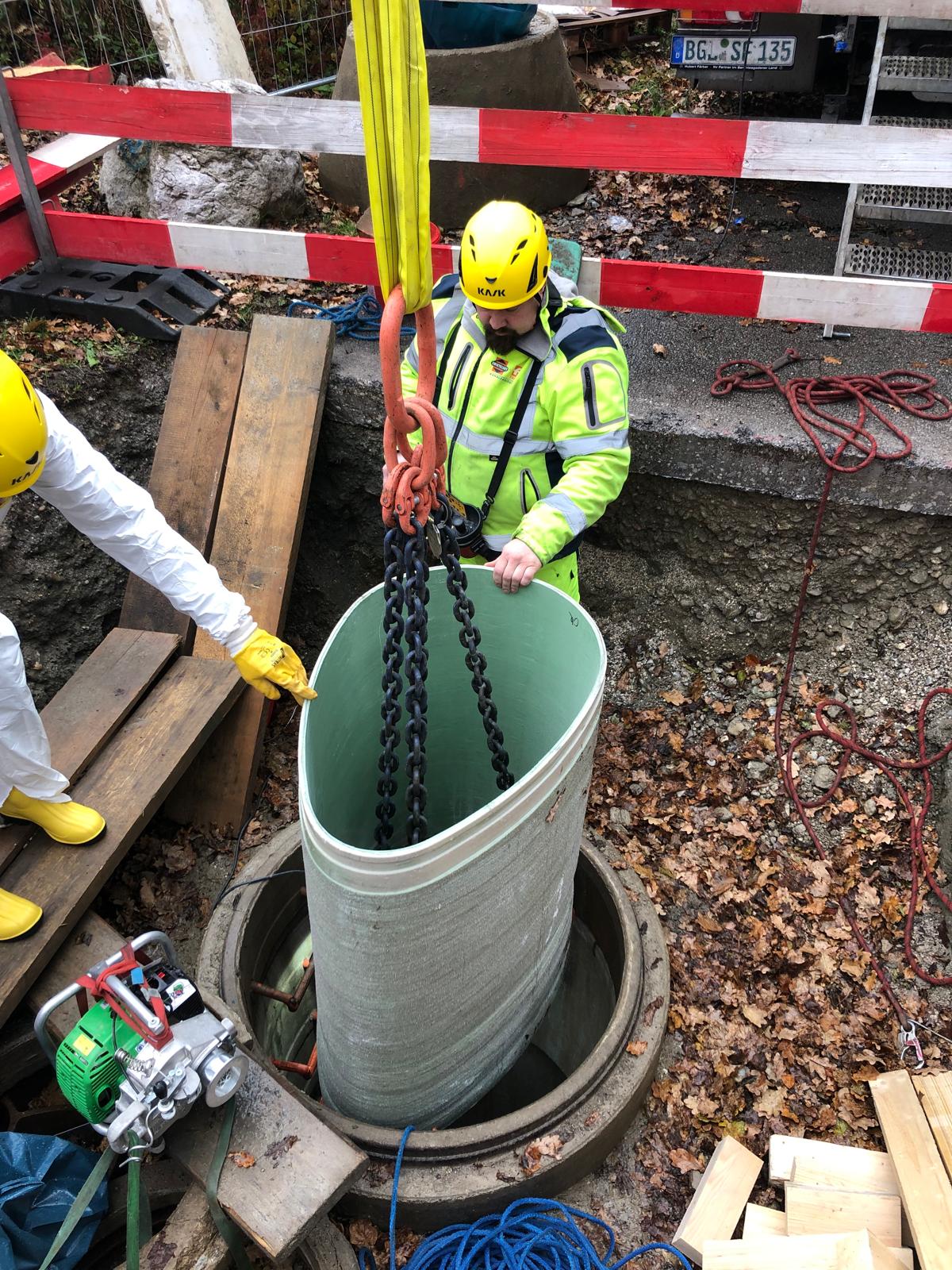
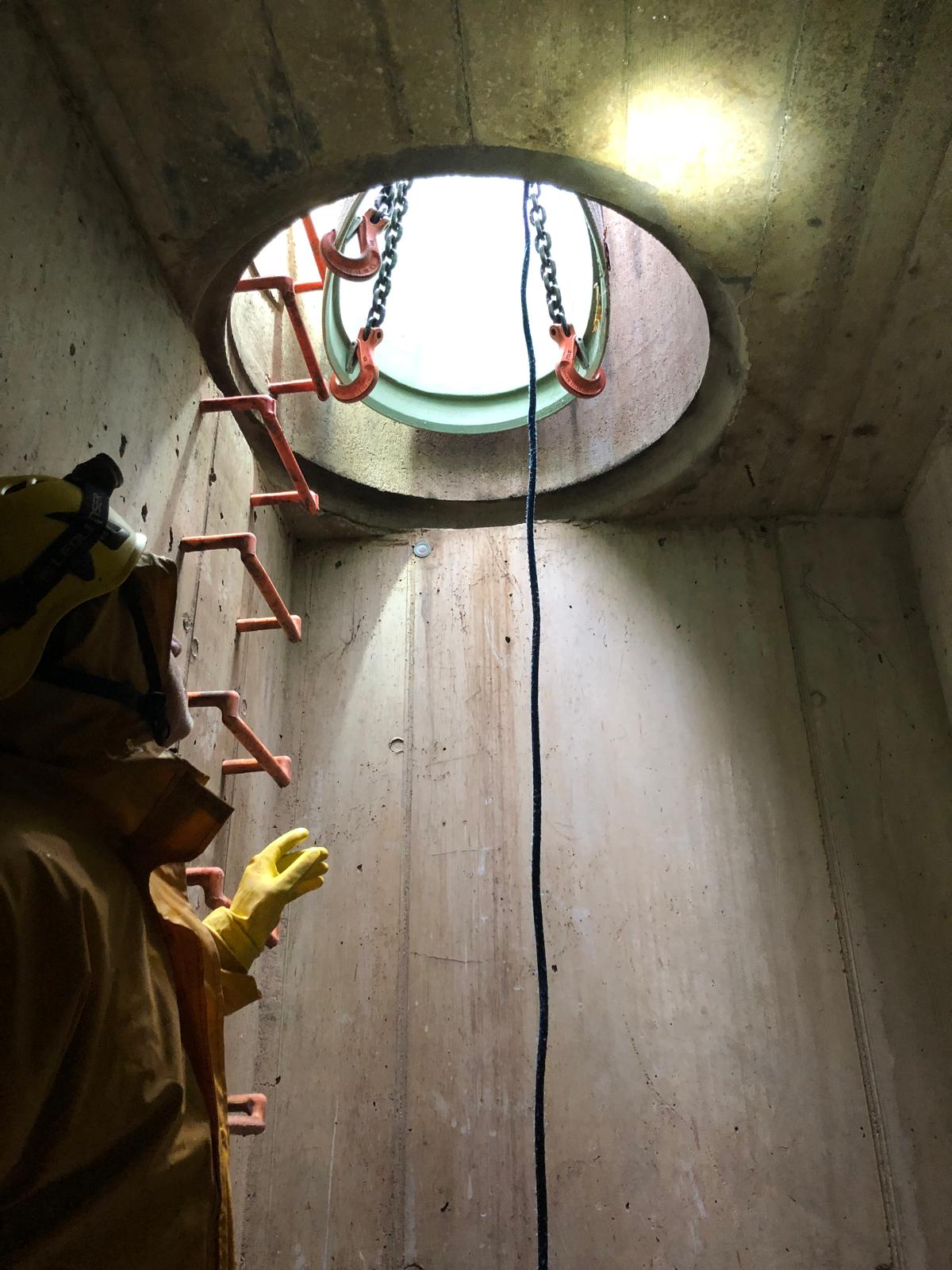
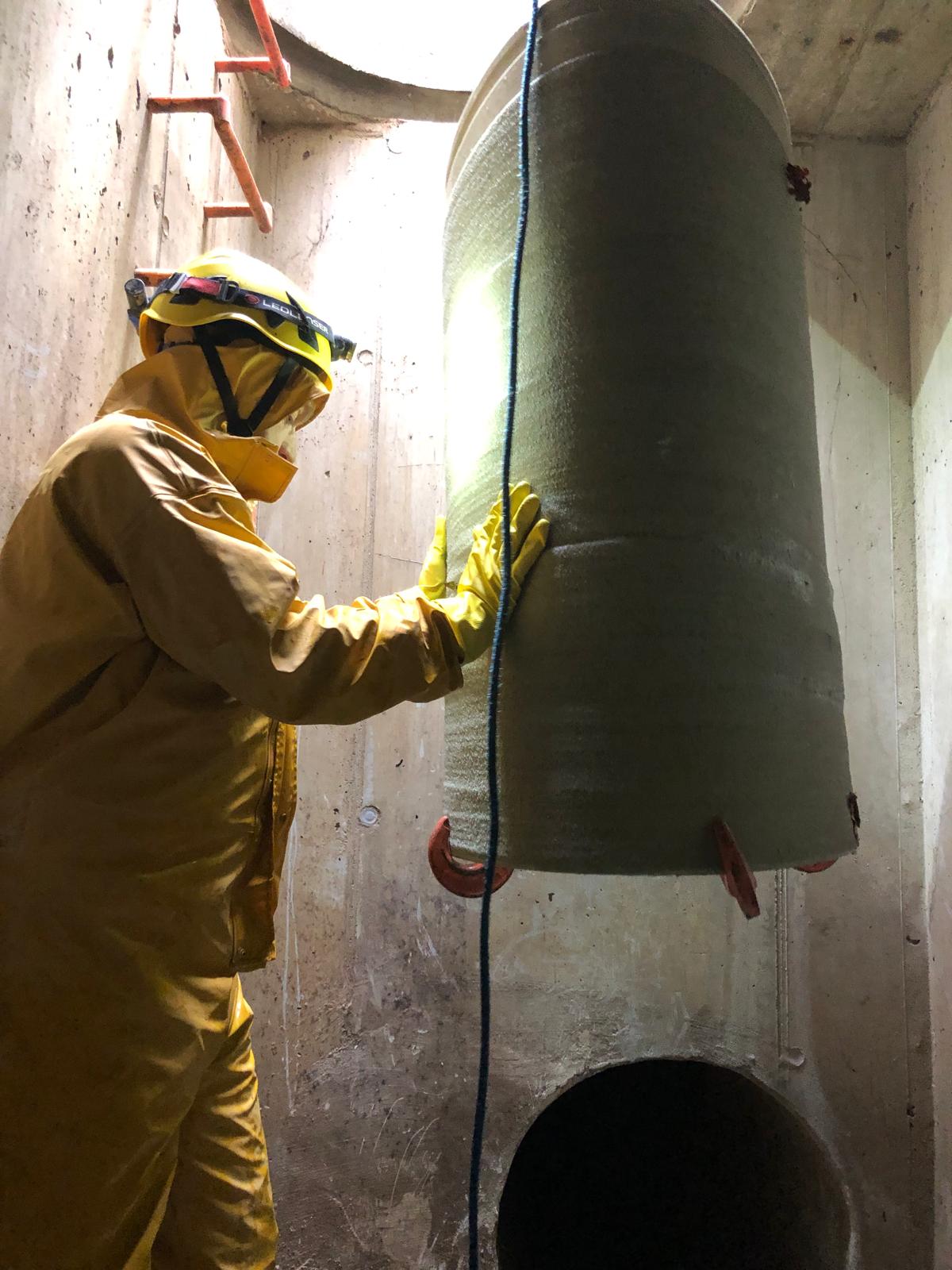
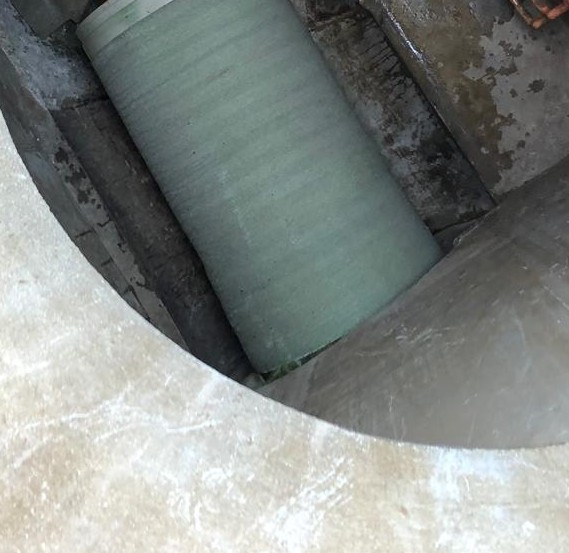
Installation takes place via minimal excavation pits. The individual GRP pipes are inserted metre by metre into the old pipe and connected to each other with precision.

During installation, connections and inlets are reconnected by underground manual work if required, so that a functional overall system is created.

After the pipe segments have been installed and the connections attached, the annular space between the old pipe and the new piping is professionally grouted. The excavation pits are then closed.

This creates a new, fully functional sewer system within the existing infrastructure - with a significantly reduced construction time compared with conventional new construction.

Materials & system structure

  • Glass-fibre reinforced plastic pipes (GRP)
  • unsaturated polyester resin (UP resin systems)

  • factory-spun pipe systems

  • individually designed for static and hydraulic requirements

The system is matched both to the medium and to the hydraulic requirements of the network.



Single-pipe lining in practice

Frequently Asked Questions

Everything else you need to know about the technology

When is single-pipe lining used?

The process is used when a pipeline is to be completely renewed or hydraulically optimised without carrying out open-cut replacement.

Which shapes are possible?

In addition to circular profiles, egg-shaped and special profiles such as dragon profiles are also feasible.

How precise is the installation?

Thanks to 3D surveying and prefabrication, the pipe segments are fitted and installed with millimetre precision.

Are large excavation pits required?

No. Only small installation pits are needed to install the pipe segments.

What happens to the connections?

Inflows and connections are reconnected underground to the new system after installation.

What advantages does the process offer?

It combines the quality of new construction with trenchless construction, significantly reduces construction times, and minimises traffic and environmental impacts.

What material are the pipes made of?

Glass-fibre-reinforced plastic pipes (GRP) with an UP resin system are used, which are designed structurally and hydraulically.

Ready to tackle something big? So are we!