• Training

The Invisible Structure: Innovation in Construction

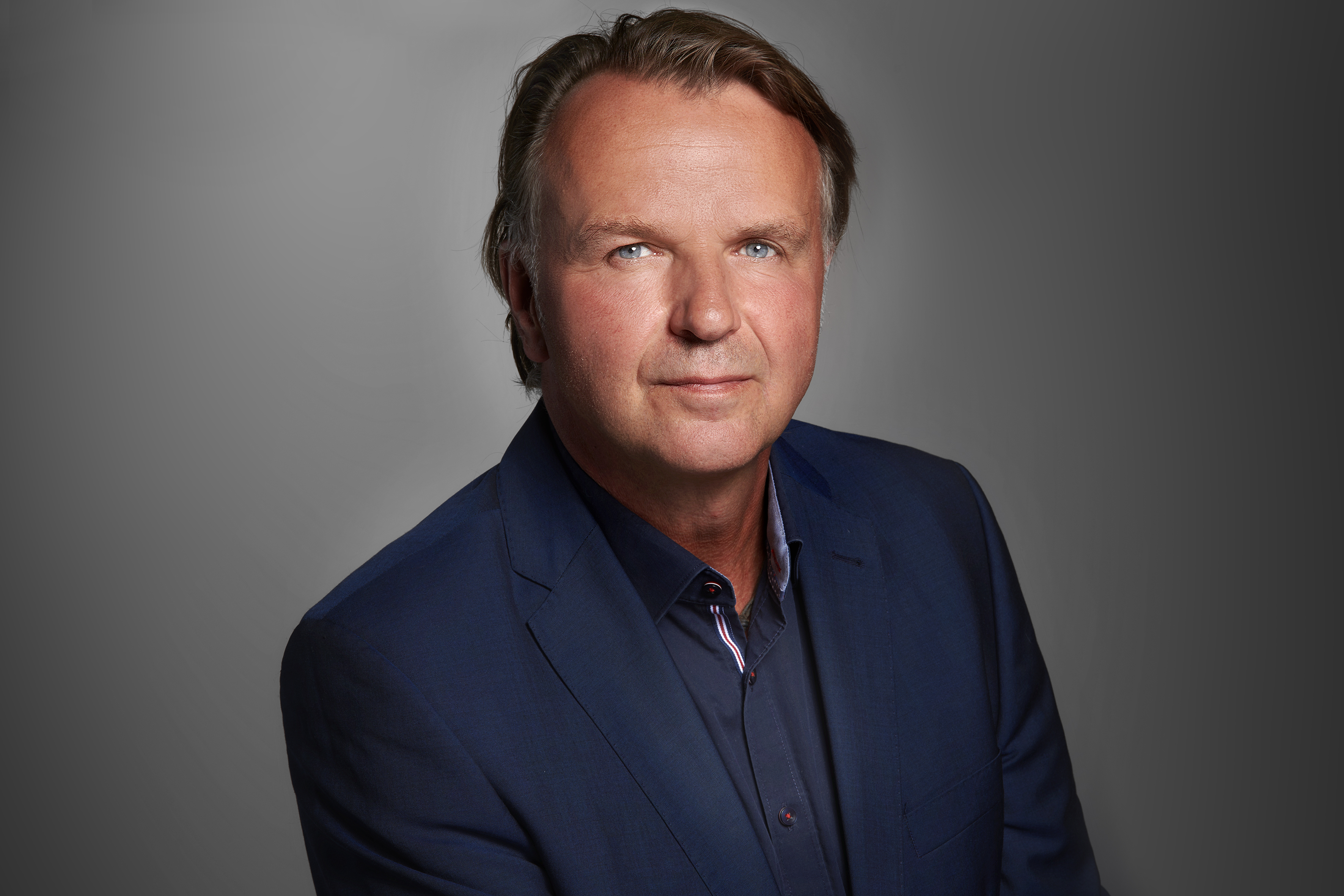
Interview with Dipl.-Ing. Jörg Brunecker, Managing Director of Swietelsky-Faber GmbH

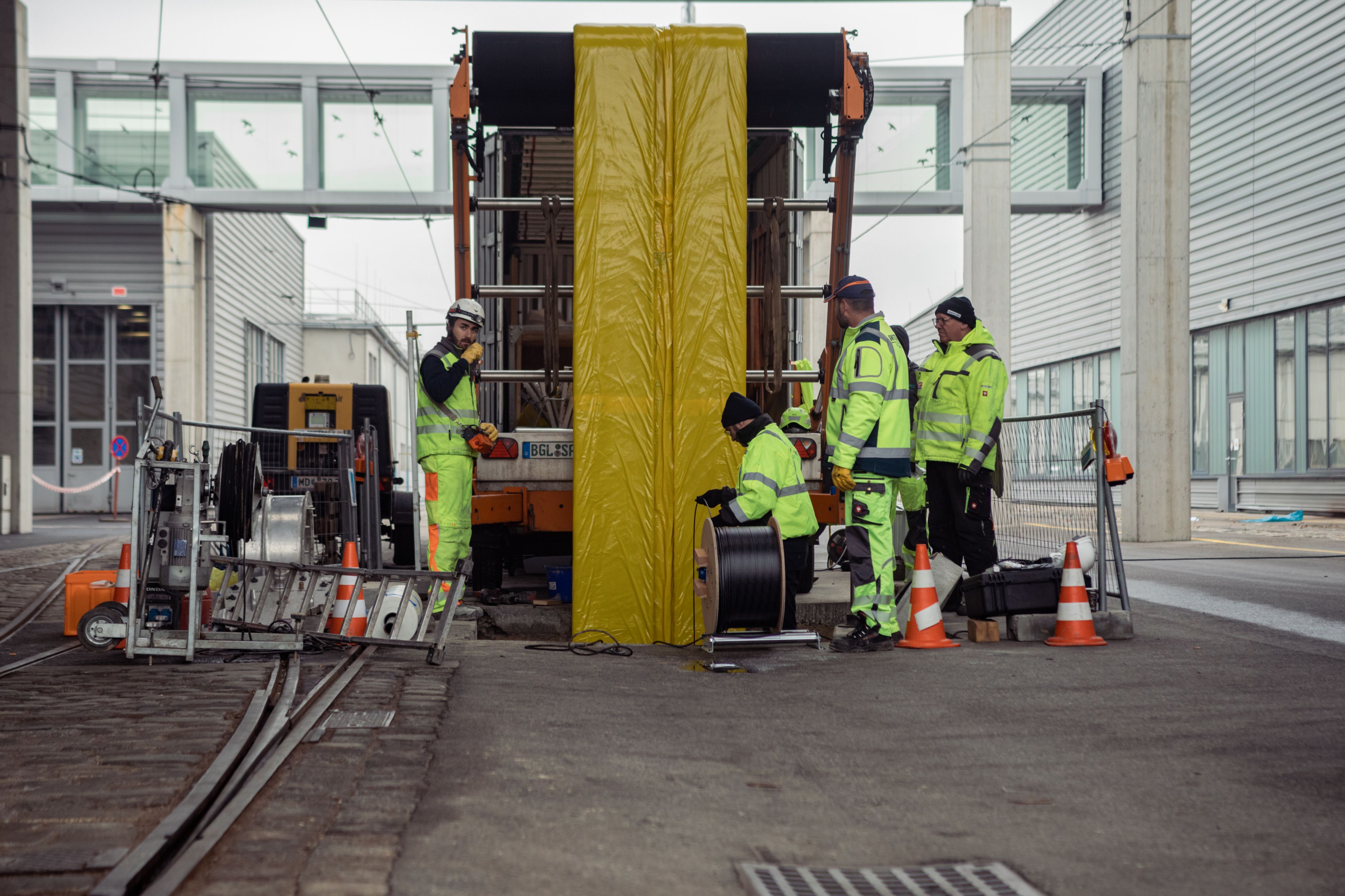
Germany's largest structure is almost invisible – it consists of the pipe network and the structures of our underground infrastructure, which ensures that millions of people receive reliable supply and disposal services every day. Swietelsky-Faber GmbH, under the leadership of Dipl.-Ing. Jörg Brunecker, makes a decisive contribution to maintaining this network and shaping it for the future. With state-of-the-art technologies and trenchless rehabilitation methods, the company ensures the preservation of the pipe network and thus, not least, the sustainable protection of the environment.

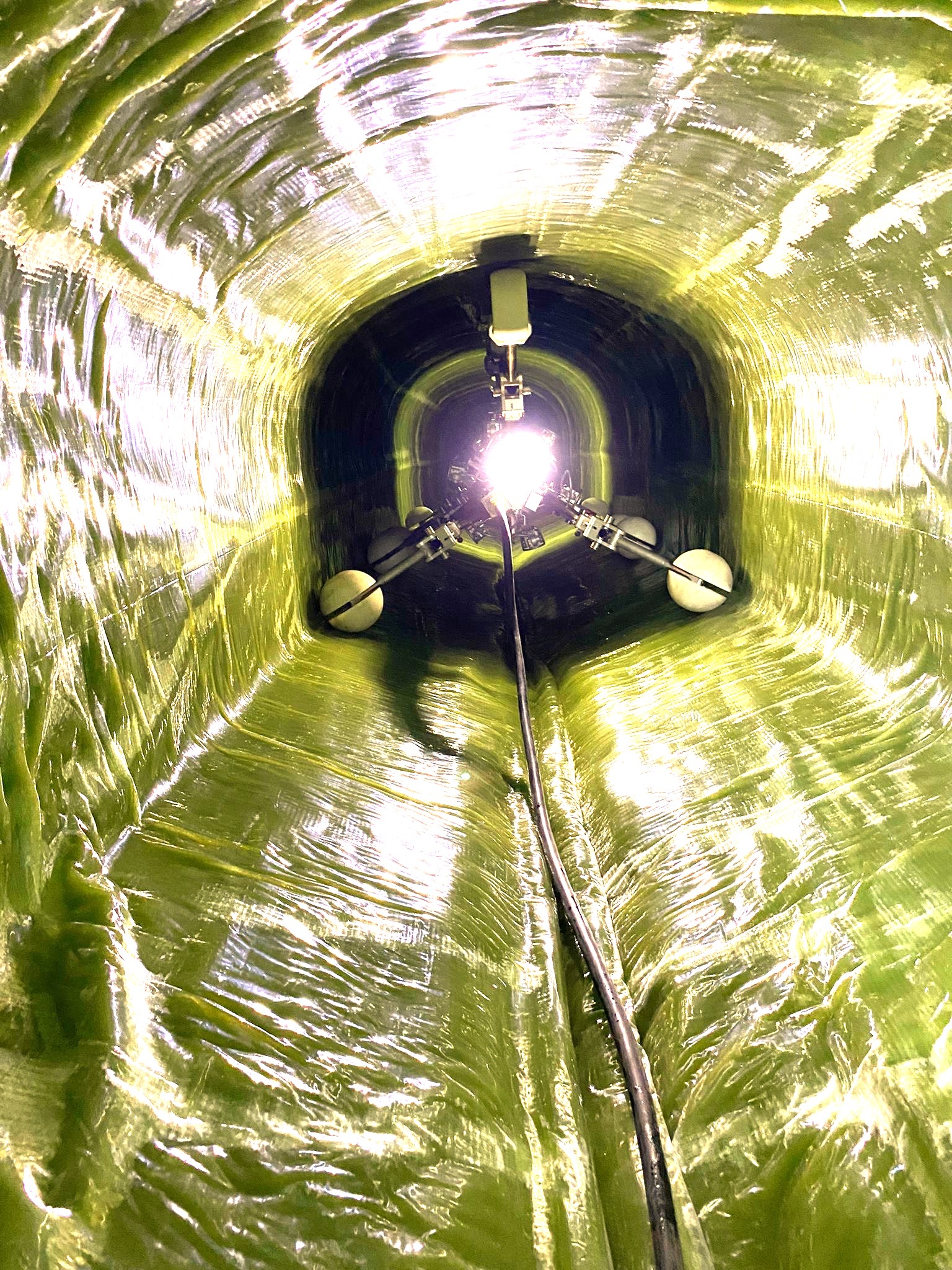
Interior view of a long metal ventilation duct with cables running through it.

Wirtschaftsforum: Mr Brunecker, Swietelsky-Faber GmbH is the market leader in trenchless pipe rehabilitation. What makes your company special?

Jörg Brunecker: Market leadership does not guide us in any way. We are guided by our corporate goals, which are firmly anchored in customer and employee satisfaction, a high level of execution quality, sustainable business practices, and the highest standards of occupational safety. Our strength lies in the combination of technological innovation, sustainability, and clear social responsibility. Since our founding in 2001, we have specialised in trenchless pipe rehabilitation and rely on state-of-the-art technologies such as robot-assisted processes and UV light curing of resins. These processes are not only efficient, but also particularly environmentally friendly. Our goal is to achieve maximum results with minimal use of resources while at the same time improving people's quality of life.

Wirtschaftsforum: How do you implement sustainability in concrete terms?

Jf6rg Brunecker: Our philosophy is based on a clear vision: sustainability is not just a goal, but the guiding principle that determines our actions at all levels. Our work protects bodies of water by analysing, repairing and rehabilitating defective pipe systems. In doing so, we actively contribute to keeping drinking water clean and to the proper disposal of wastewater. In addition, we are continuously working to optimise our energy efficiency. To this end, we conduct regular audits and rely on sustainable building materials as well as energy-optimised processes.

Business Forum: What significance does environmental protection have in this context?

Jörg Brunecker: Environmental protection is the core of our work. We are dedicated to the sustainable preservation of Germany's ‘largest structure’, namely the underground infrastructure of the supply and disposal networks. Through our activities, we not only contribute to conserving resources, but also to reducing CO2 emissions. Our technologies enable trenchless rehabilitation, which drastically lowers energy consumption and avoids unnecessary construction work. Another aspect that is especially close to my heart is the promotion of innovation. Here, I would like to see stronger support from politics—whether through funding programmes for new technologies or tax incentives for investments in sustainable construction methods. For example, approval procedures for new, sustainable building materials could be accelerated in order to bring innovations to market more quickly.

Business Forum: Another important point is your employees. How do you support them?

Jörg Brunecker: Our employees are the heart of our company. We currently employ 350 specialists from 26 nations and place great value on a good working atmosphere. Our industry is highly technical and offers extremely exciting tasks. We work with vehicles equipped with state-of-the-art technology and provide solutions ranging from robotics to digitalization. Nevertheless, our sector lacks visibility and a positive image - both industry and politics need to take action here. We are working specifically to address this, including through cooperation with universities and educational institutions. As a training company, we invest in the further education of our employees at all levels. Our goal is to attract talented young professionals and increase appreciation for the industry as a whole - from apprentices to engineers.

Economic Forum: What challenges are you facing, and how is your company dealing with them?

Jf6rg Brunecker: The recent crises have had a massive impact, but as a system-relevant company they have only affected us to a limited extent. Our task of maintaining the infrastructure remains indispensable even in difficult times. This makes our industry very resilient to crises. One of the greatest challenges is the shortage of skilled workers. The work in our industry is highly specialised and offers many exciting tasks, but is often not perceived as attractive. In addition, rising material prices and disrupted supply chains are making the work more difficult. Nevertheless, we have so far been able to master these challenges well  thanks to the cooperative partnership with customers and suppliers.

Business Forum: What does the future of Swietelsky-Faber GmbH look like?

Jörg Brunecker: We will continue to strengthen our focus on sustainability and digitalisation. The use of artificial intelligence will further increase our efficiency. The implementation of Building Information Modeling is also becoming increasingly important to us in order to document and optimise the entire life cycle of construction projects even better. We will continue to fulfil our social responsibility. As a member of the Ethics Management for the construction sector, we actively stand against discrimination.

Economic Forum: To conclude: What drives you personally?

Jörg Brunecker: The opportunity to make a truly meaningful contribution with our work motivates me. We create sustainable solutions and improve people’s quality of life. It is nice to see how innovations that we drive forward can make a real difference – both for society and for the environment.

Back to the news overview