Burst lining

New pipeline – same or larger cross-section

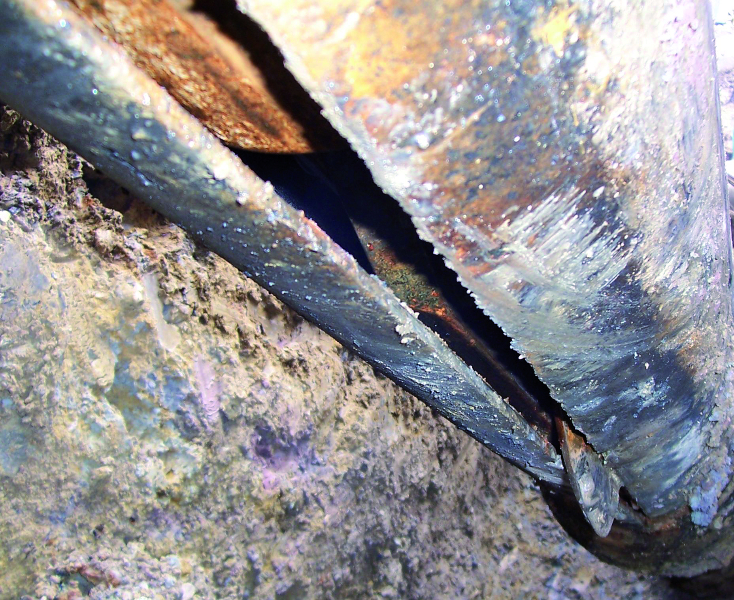
Burst lining is a proven method for trenchless rehabilitation of gas, water, and wastewater pipelines. In this process, the existing pipeline is broken open or split and at the same time replaced by a new pipe.

The method is particularly economical when existing pipelines need to be completely renewed and the existing route can continue to be used. Depending on the project requirements, the new pipe can be installed with the same or a larger diameter.
For which pipelines is the process suitable?

Nominal diameter range

DN 50 – DN 500 (depending on the machine)

Existing pipe materials

Depending on the process and project, almost all pipe materials

Cross-section adjustment

Enlargement by up to three nominal sizes possible (project-dependent)

Condition of the existing pipe

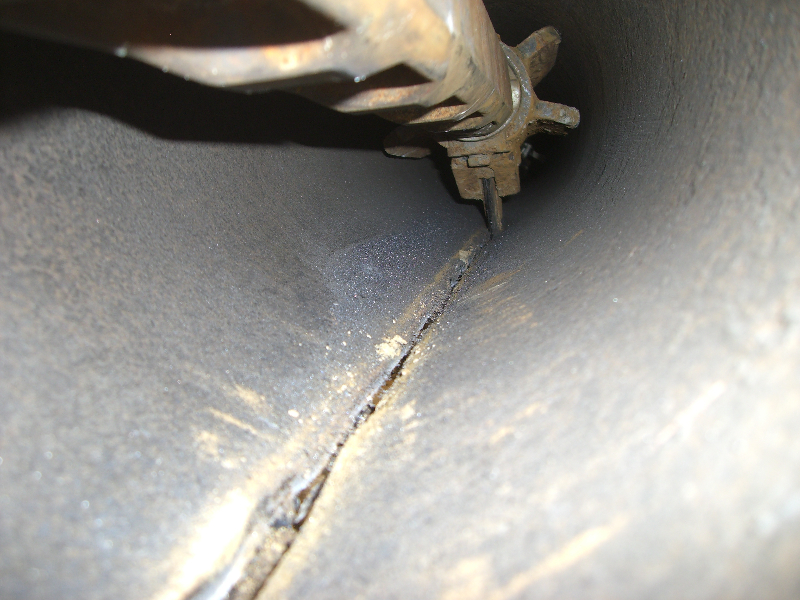
Cracks, infiltration, exfiltration, corrosion, material fatigue

Mode of operation

Pressure pipelines and gravity pipelines

Hydraulics

Preservation of the existing flow capacity

Areas of application

  • Drinking water pipelines

  • Gas pipelines

  • Wastewater pressure pipelines

  • Gravity sewers

  • House connection pipelines

  • Pipelines with insufficient hydraulic service capacity

  • Renewal measures in existing infrastructure

This is how pipe bursting works

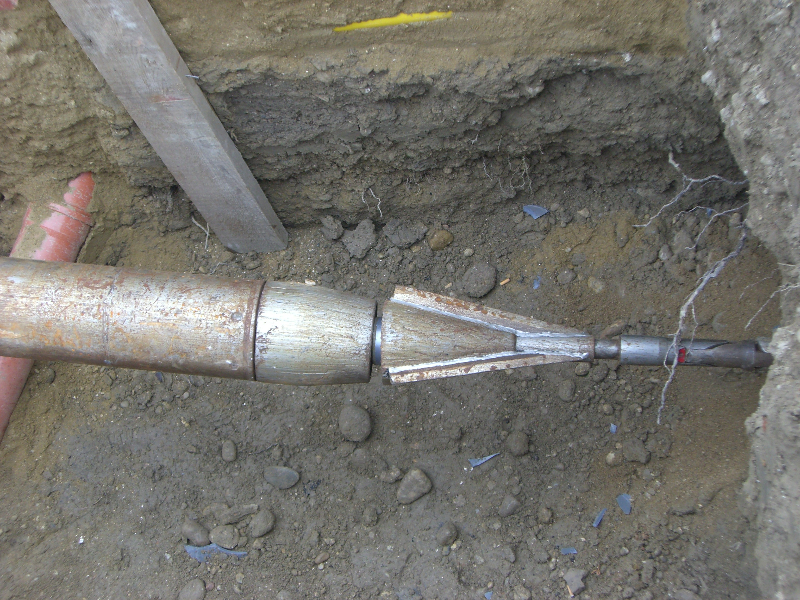
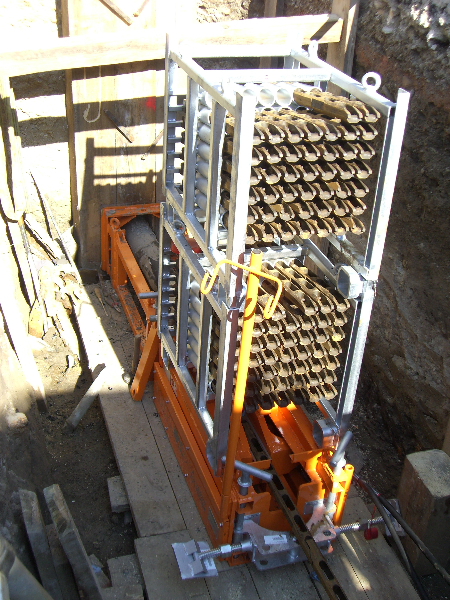
From the launch shaft, a special rod or steel cable is guided through the existing line using a hydraulic pipe bursting unit.

At the reception shaft, this is connected to a bursting and expansion head. During the subsequent pulling process, the old pipe is broken open or cut open in a controlled manner and displaced into the surrounding soil.

At the same time, the new pipe is pulled in directly behind the bursting head.

This creates a completely renewed line along the existing route in a single work step.

Technical service data

  • Section lengths
    Up to 100 m without an intermediate excavation pit

  • Pulling force (cable burster)
    Up to 45 t

  • Pressing force (pushing device)
    Up to 50 t

  • Dimension expansion
    Up to three nominal sizes larger than the existing pipeline (depending on the project)

  • Alternative methods
    Using the same technology, the TIP method can also be applied up to DN 600.


Bursting lining in practice

Frequently Asked Questions

Everything else you need to know about the technology

When is bursting lining suitable?

The process is particularly suitable when a pipeline is not only to be rehabilitated, but completely renewed, and the existing route can continue to be used.

Can the pipe diameter be increased?

Yes. Depending on soil conditions, pipe material, and project requirements, the new pipe diameter can be chosen larger than the existing one.

Which pipelines can be renewed?

The process is used for gas, water, and wastewater pipelines in both pressure and gravity systems.

How long can individual rehabilitation sections be?

Section lengths of up to 100 metres are often feasible without additional intermediate excavation pits.

Do house connections have to be opened?

Yes. House connections and fittings usually have to be exposed at specific points and connected to the new pipeline.

Which pipe materials can be installed?

Almost all standard new pipe materials on the market can be pulled in using bursting lining.

Is the process also suitable for manholes?

Yes. With suitable machine configurations, renewal can also be carried out from manhole to manhole, which can avoid additional excavation.

What does the specific execution depend on?

The execution depends on dimension, existing pipe material, type of damage, medium, temperature, accessibility, and operational requirements

Ready to tackle something big? So are we!