Robot Procedures

Targeted pipe rehabilitation with the highest precision

Not all damage in pipelines can be repaired by a full interior lining. In particular, localized defects in the connection area or areas where material must be selectively removed require a flexible solution.

For non-accessible channels, robot-assisted systems often provide the most efficient rehabilitation option.

For which pipelines is the process suitable?

Nominal diameter range

DN 100 – DN 2000

Existing pipe materials

Steel, cast iron, ductile iron pipe, plastic, etc.

Pipe geometry

Round, egg-shaped, and special profiles

Condition of the existing pipe

Sockets, cracks, and fracture edges

Areas of application

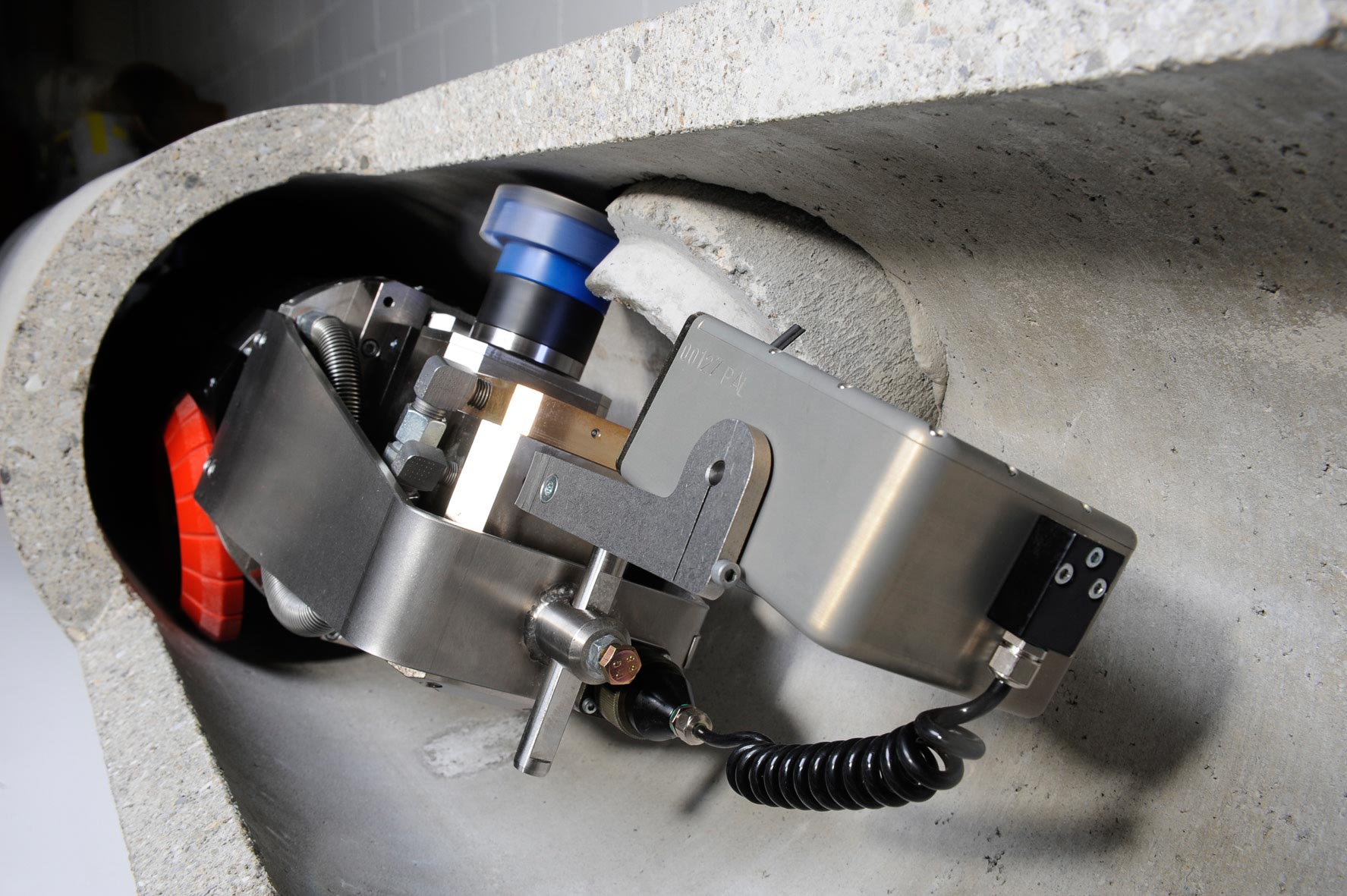
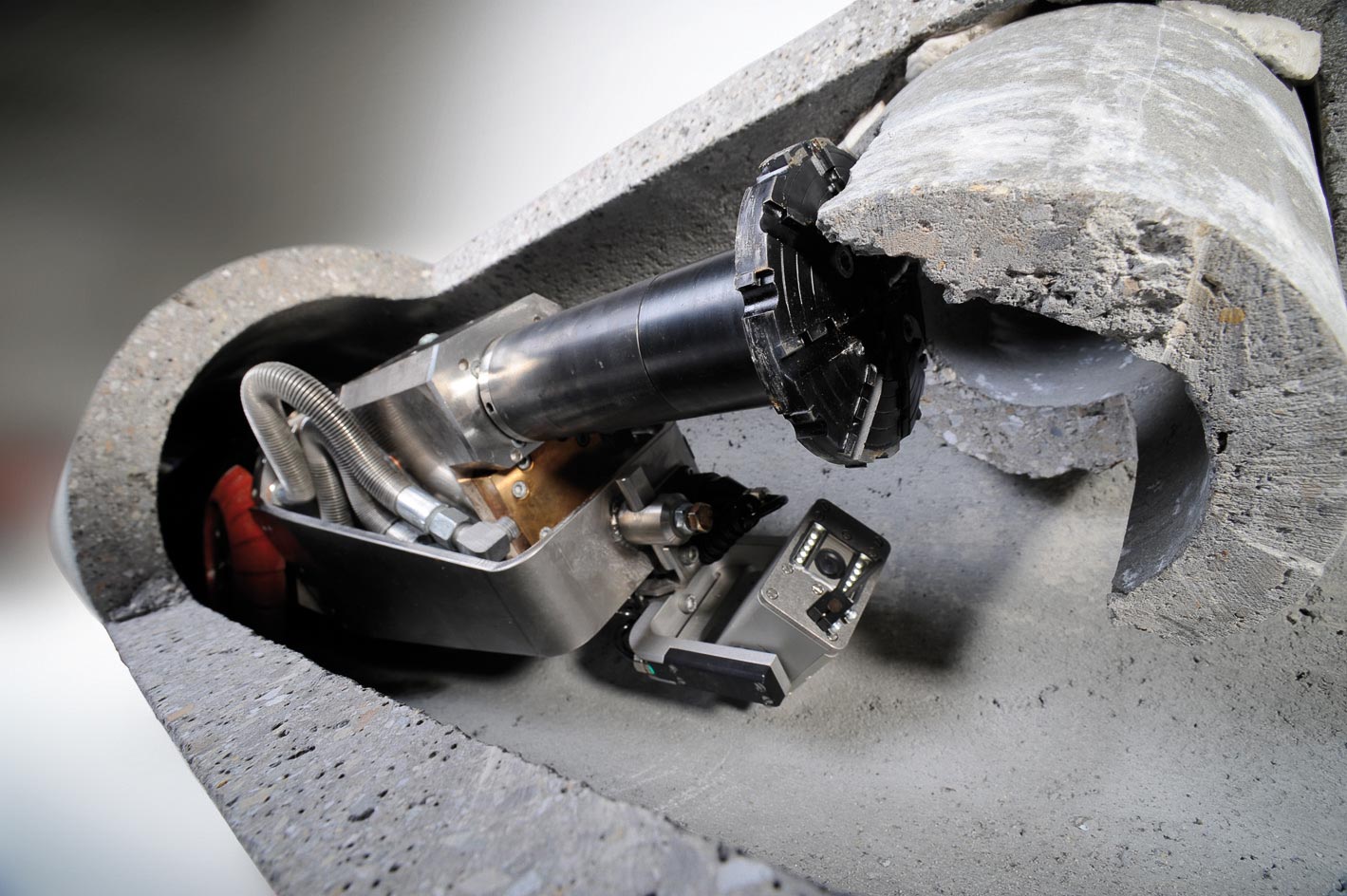
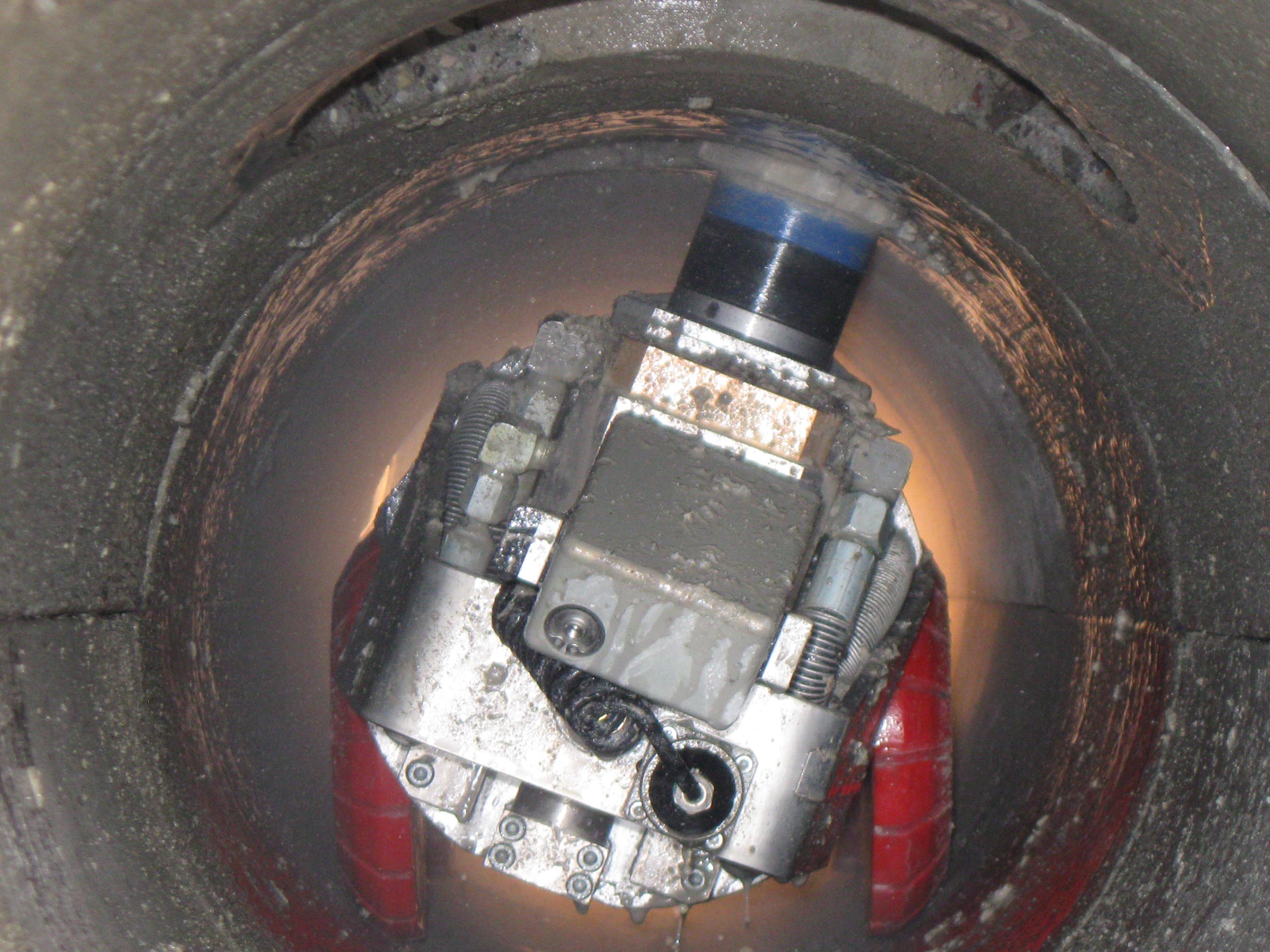
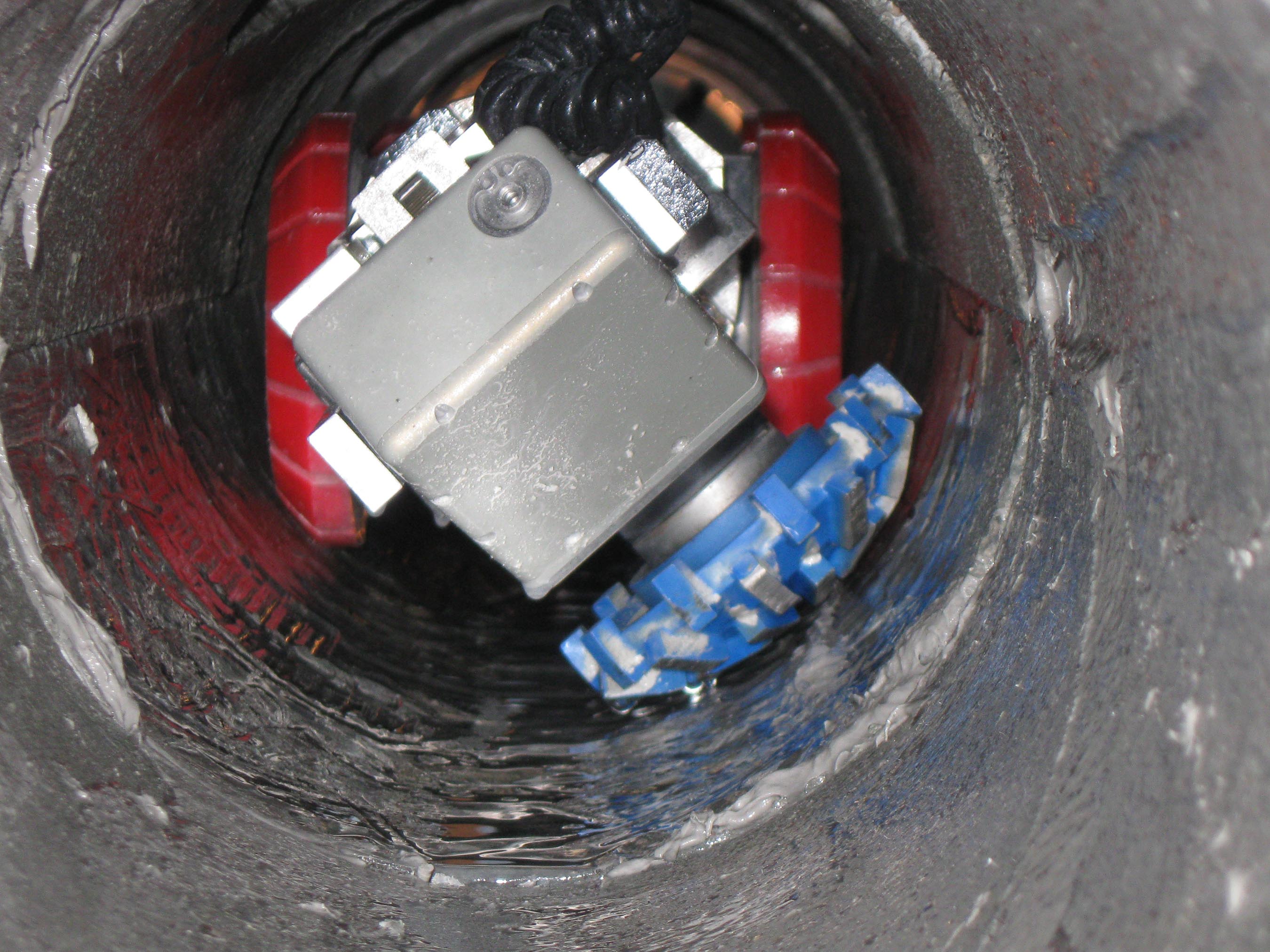
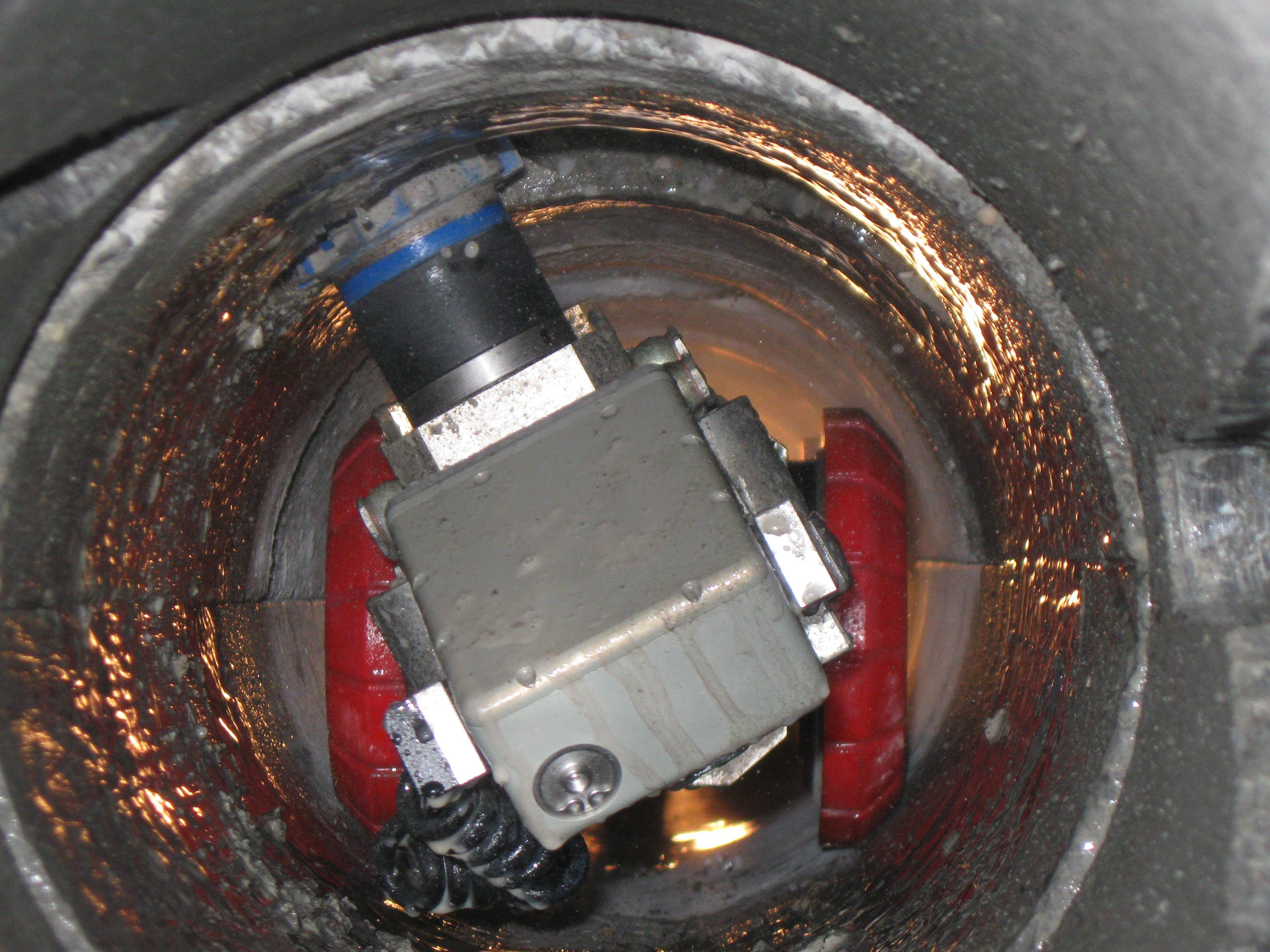
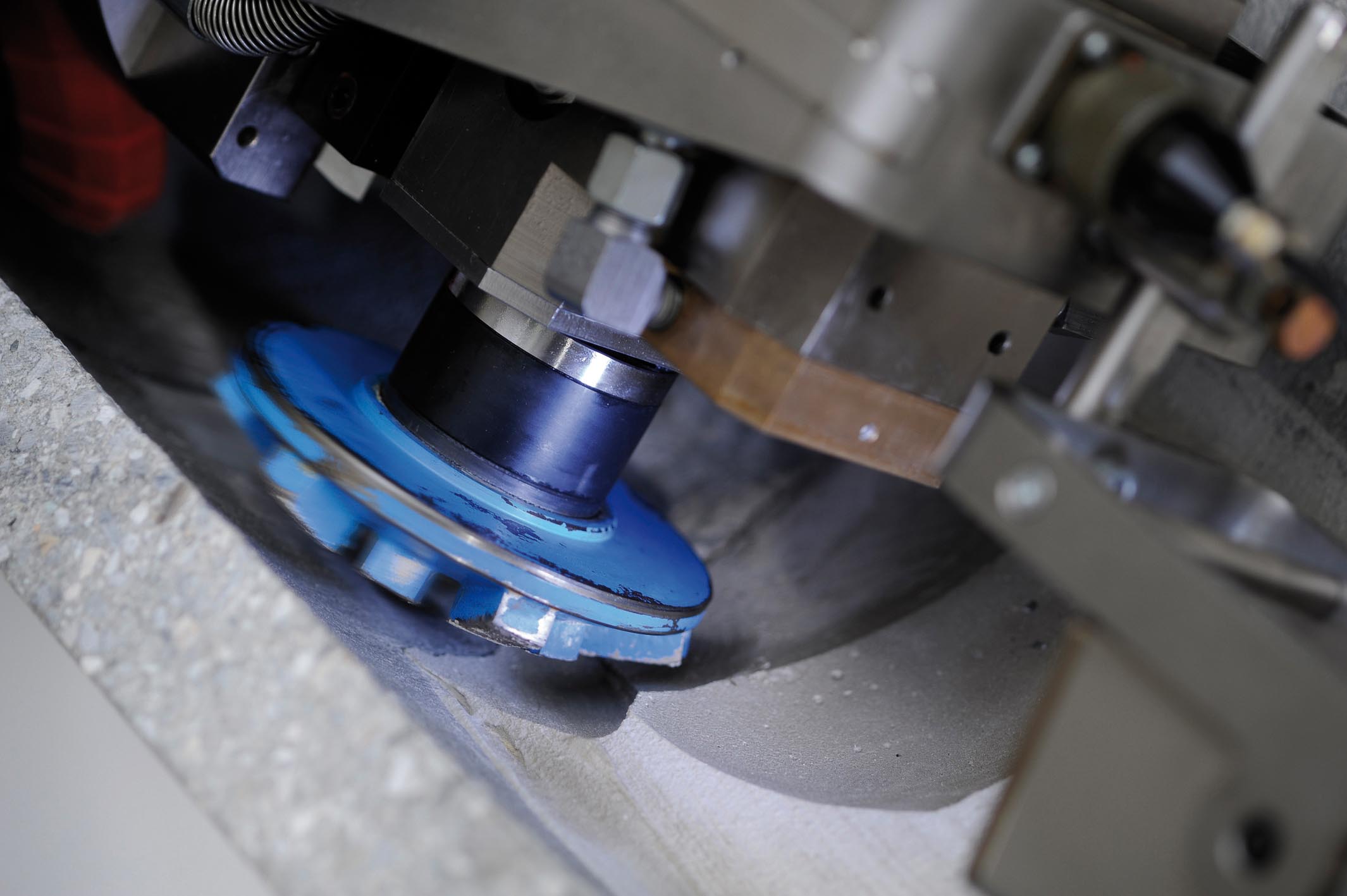
  • Milling off protruding branches and obstacles

  • Removal of incrustations, deposits, and concrete

  • Reworking of sockets, cracks, and broken edges

  • Removal of root ingress

  • Filling of cavities and wall defects (injection)

  • Pressure grouting of cracks and sockets

  • Sealing of in- and exfiltrations

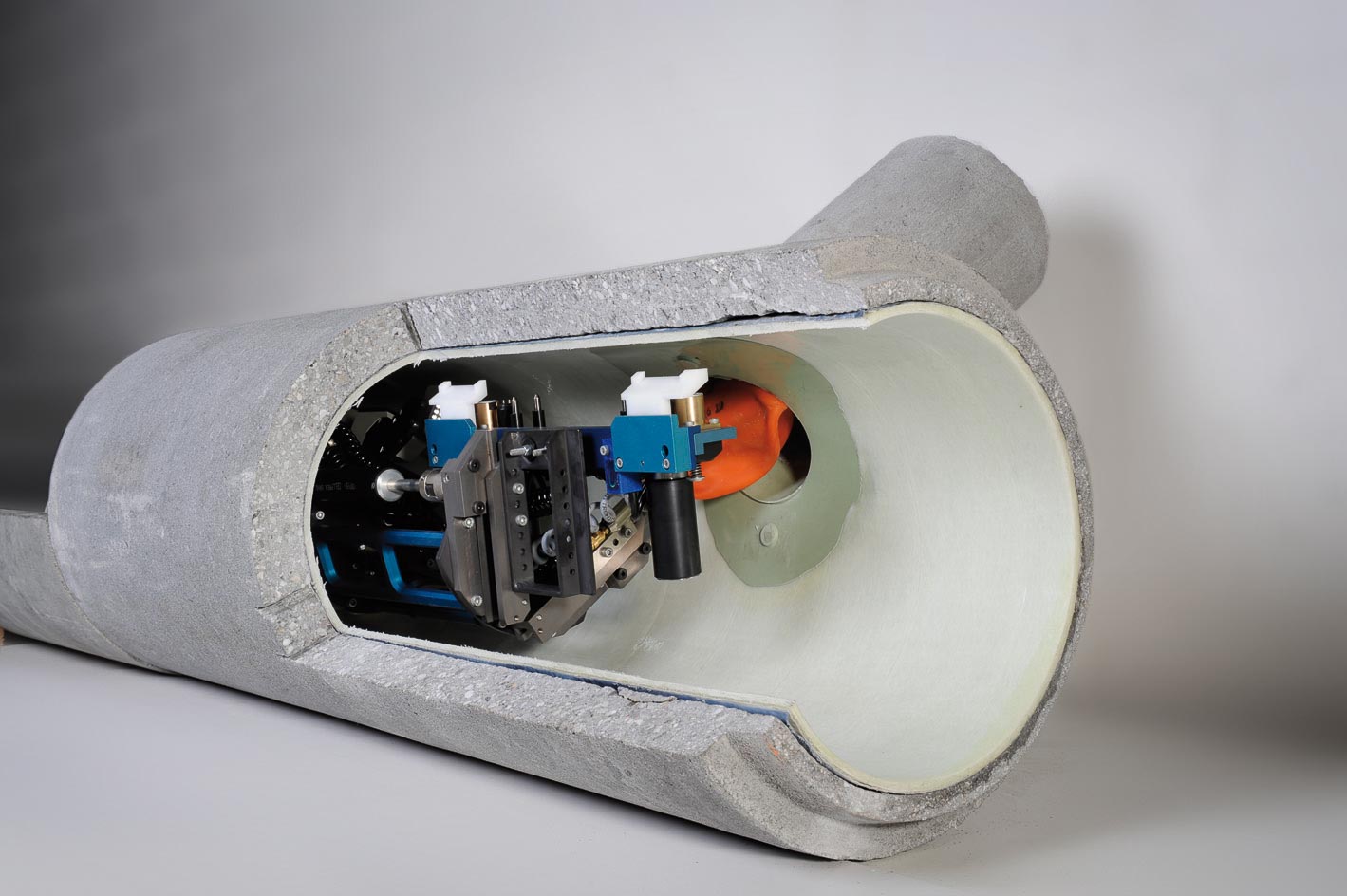
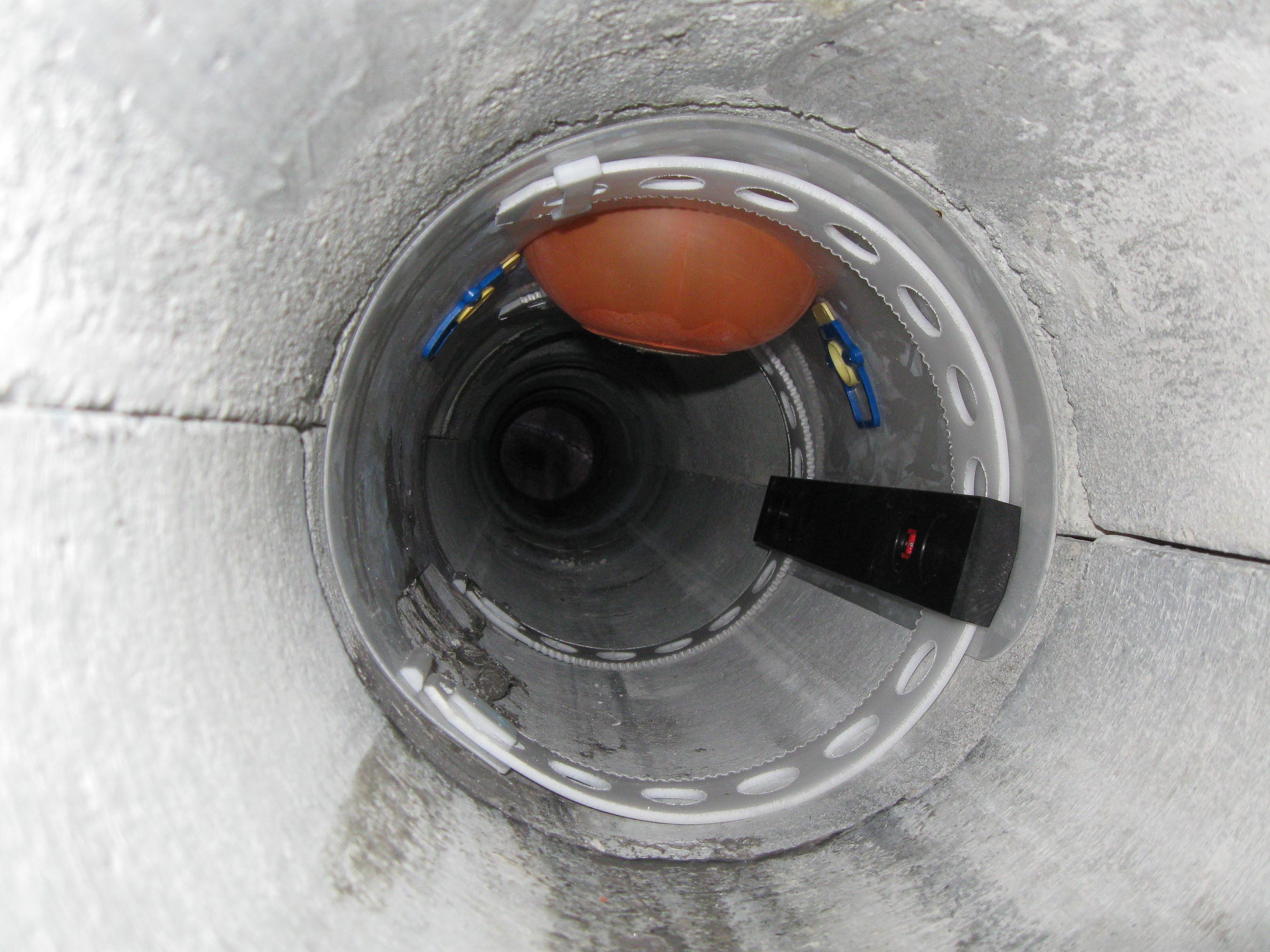
  • Branch rehabilitation with pneumatic shuttering

  • Opening of connections after cured-in-place pipe lining

This is how robot-based rehabilitation works

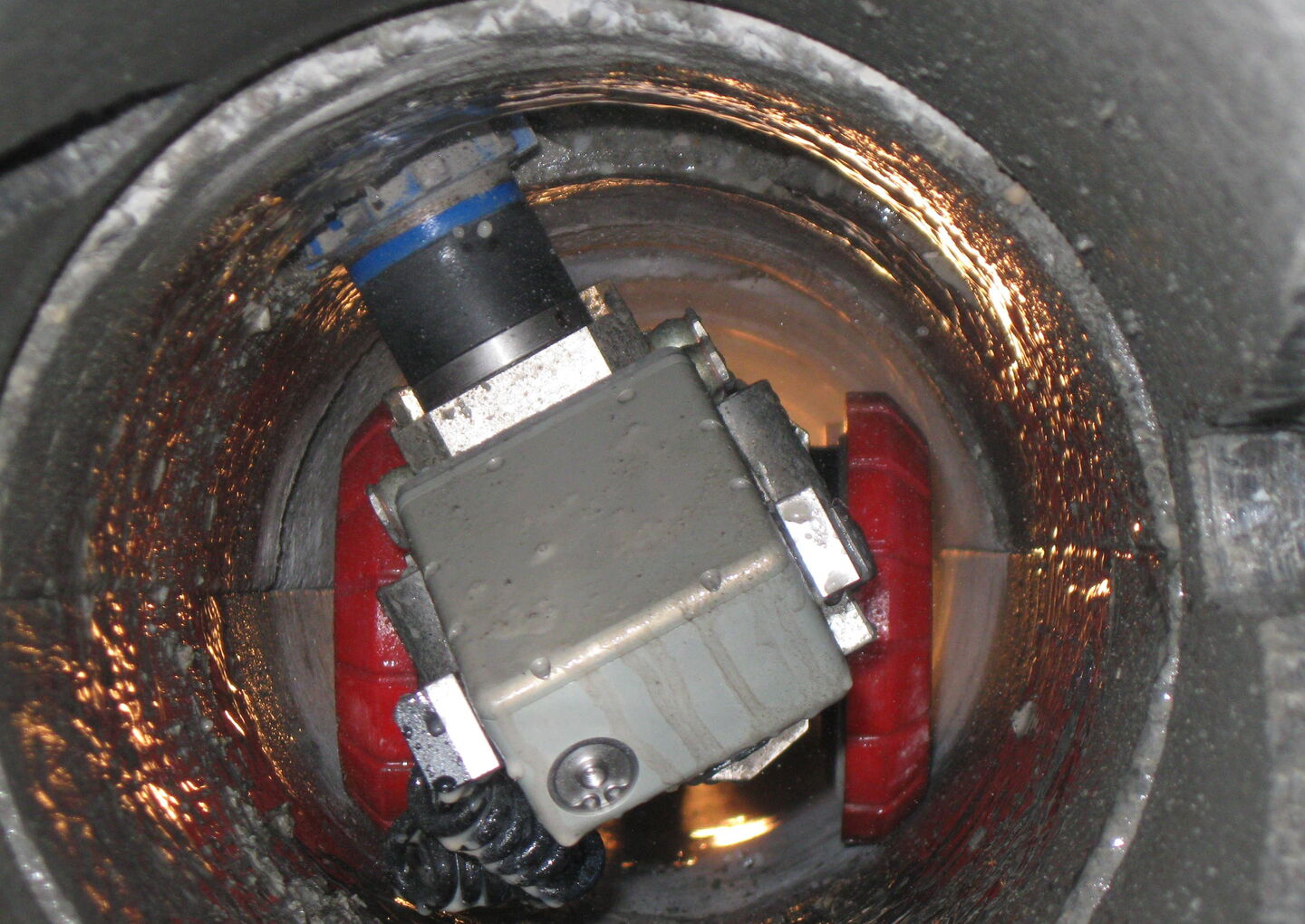
The robotic systems are precisely controlled above ground via a control station and introduced into the pipeline. Depending on the type of damage, different milling, cutting, or injection tools are used.

In stub rehabilitation, excess material is first removed. A pneumatic formwork is then positioned in the connection area. Epoxy resin or plastic-modified mortar is injected into this formwork.

This creates:

  • completely filled cavities
  • permanently sealed damaged areas
  • structurally renewed connection areas

The result is a mechanically resilient, tightly executed stub with the properties of a new build.

The perfect combination: Robots & liner technology

Robotic systems are a central component of modern trenchless rehabilitation chains. They complement liner methods optimally:

  • Before rehabilitation: removal of deposits, obstacles, and protruding stubs
  • After rehabilitation: precise opening of connection areas in the liner

This enables a smooth process in methods such as hose lining, pipe string lining, or close-fit lining.

Materials & quality

All resins and mortar systems used have valid building-authority approval from the German Institute for Building Technology (DIBt).

This means they are:

  • permanently resistant to chemicals and mechanical stress
  • suitable for use in wastewater environments
  • environmentally compatible and tested
Robotic methods in practice

Frequently asked questions

Everything else you need to know about the technology

When is robotic technology used?

Whenever damage occurs at specific points and a full-surface rehabilitation is not necessary or not possible – especially in non-accessible sewers.

What damage can be rehabilitated?

Typical applications include cracks, socket offsets, incrustations, root intrusion, protruding branches, and leaks.

Is robotic technology only preparatory for other methods?

No. It is used both independently and as a supplement to liner methods – before and after rehabilitation.

How is the branch connection rehabilitated?

Using a pneumatic formwork, the connection area is shaped and injected with resin or special mortar until a permanently watertight structure is created.

What materials are used?

Only DIBt-approved resins and plastic-modified mortars are used.

Is the process environmentally friendly?

Yes. All systems used are tested, approved, and environmentally friendly.

What advantages does robotic technology offer?

Yes. All systems used are tested, approved for use in the wastewater sector, and environmentally friendly.