SF shaft liner

Reliably rehabilitated for the next generation

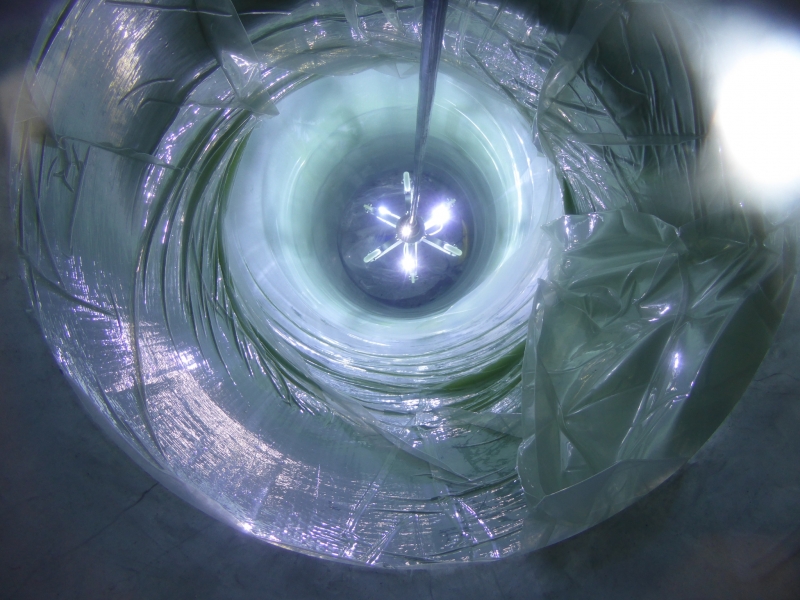
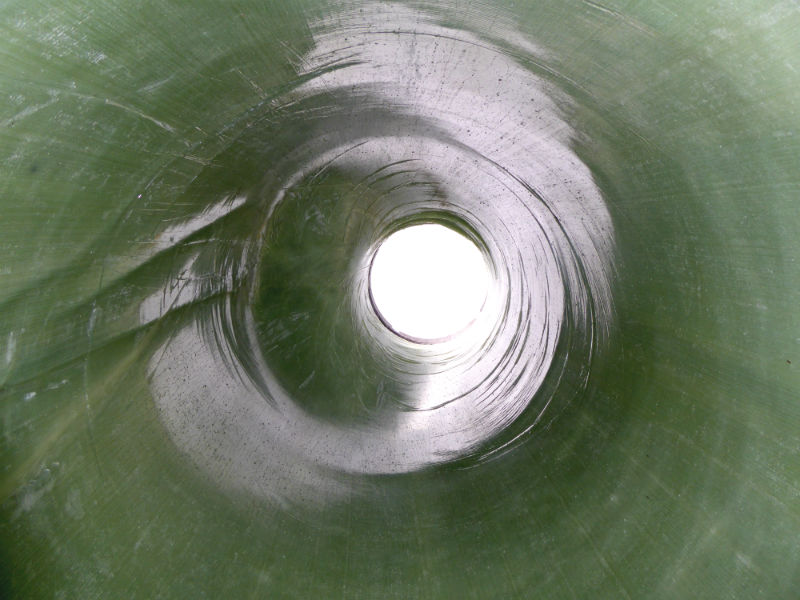
The SF shaft liner is an innovative trenchless rehabilitation process for damaged shaft structures developed by SWIETELSKY-FABER. The technology was awarded the GSTT Award Silver 2017 and is based on the liner method according to DIN EN ISO 11296-4.

With the SF shaft liner, shaft structures can be rehabilitated permanently and economically - without extensive excavation and with minimal disruption to operation and the surface.
For which structures is the process suitable?

Nominal diameter range

DN 800 – DN 1500

Manhole geometries

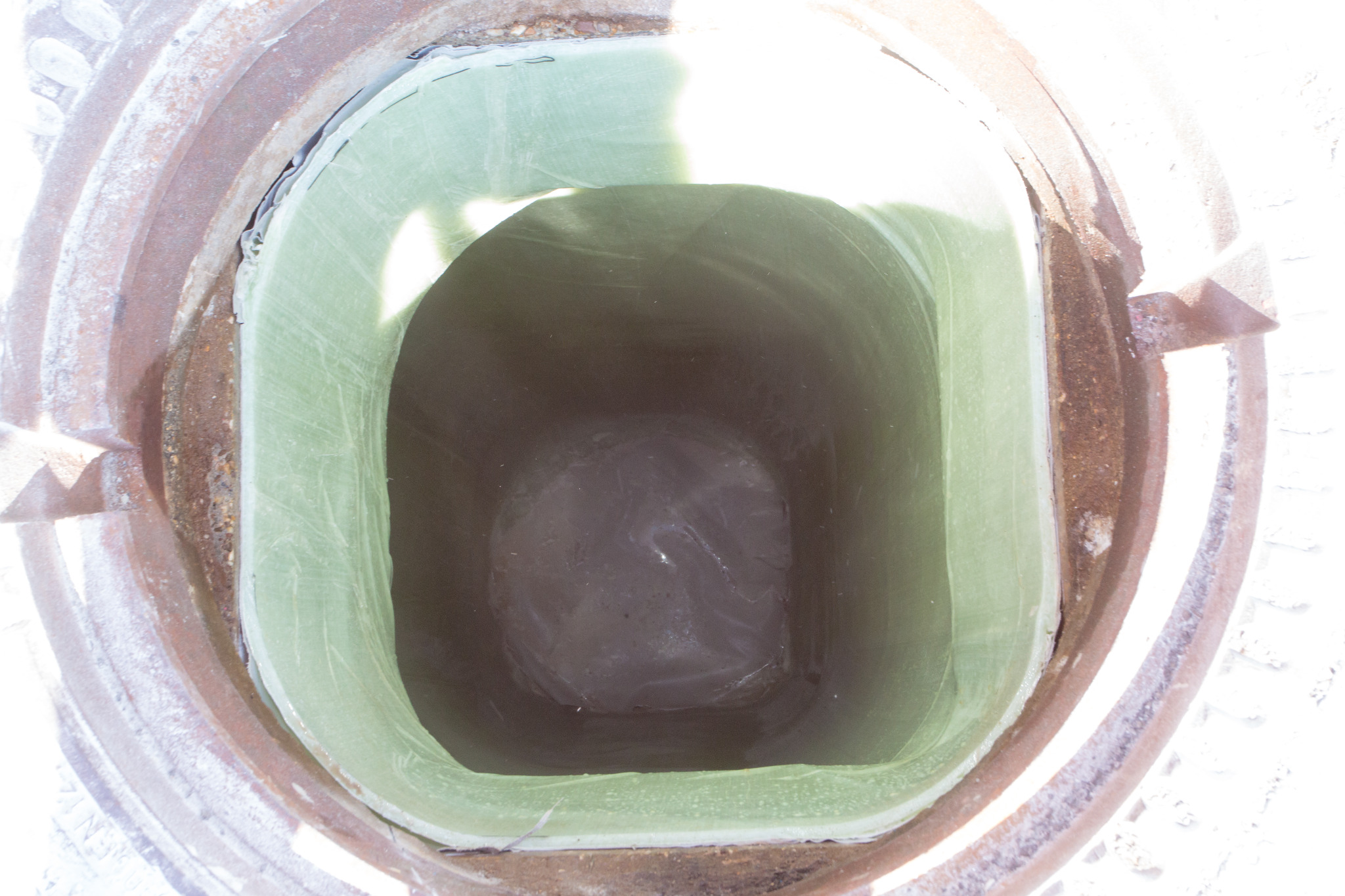
Round and box profiles

Existing structures

Concrete, masonry, and composite constructions (depending on the project)

Damage patterns

Cracks, leaks, infiltration, corrosion, material degradation

Minimum liner wall thickness

from 5 mm

Areas of application

  • Sewer manholes in municipal networks

  • Manholes in combined and stormwater systems

  • Manholes in industrial drainage systems

  • Structures with limited accessibility

  • Rehabilitation of existing structures without excavation work

This is how the SF shaft liner works

Before execution begins, the exact dimensions of the shaft are recorded and transmitted to production.

Based on this, the SF shaft liner is:

  • individually designed
  • pre-fabricated in one piece (including cone)
  • delivered ready for installation to the construction site

Installation is carried out trenchlessly in the existing shaft structure. After curing, a permanently watertight, mechanically resilient and corrosion-resistant inner lining is created.

The result is a rehabilitated shaft structure with a service life extension of up to 50 years.

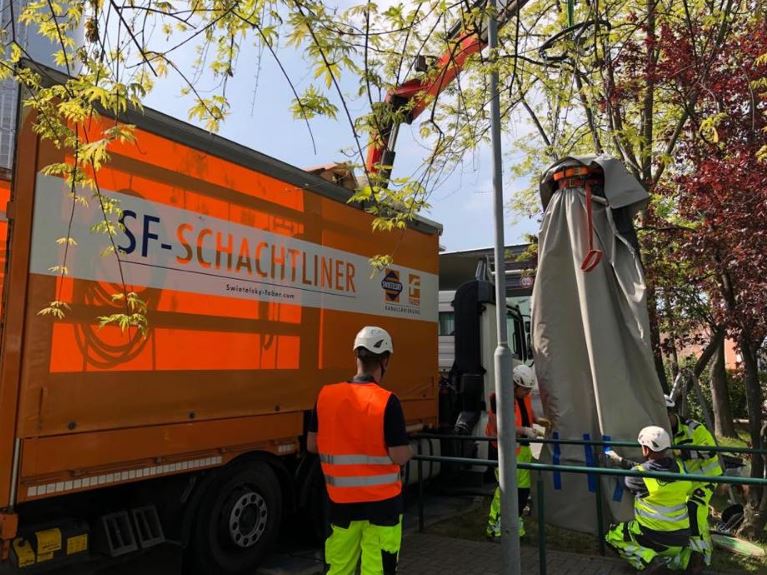
SF manhole liner in practice

Frequently asked questions

Everything else you need to know about the technology

What damage is the SF manhole liner suitable for?

The SF manhole liner is particularly suitable for leaks, cracks, corrosion damage, material degradation, and structurally damaged manhole structures.

Which materials can be rehabilitated?

Typical base materials are concrete, masonry, and composite constructions. Suitability is checked on a project-specific basis.

How long does a rehabilitated manhole last?

With proper execution, the service life can be extended by up to 50 years.

Does the manhole have to be excavated?

No. The process is completely trenchless and is carried out within the existing manhole structure.

Which shapes are possible?

The SF manhole liner is suitable for round and box-shaped manhole profiles.

How is the manhole liner installed?

The individually manufactured liner is inserted into the existing manhole, adjusted, and cured on site. This creates a new, sealed internal lining.

What is the minimum wall thickness of the system?

The minimum wall thickness of the liner is 5 mm, depending on the structural design.

Is the process compliant with standards?

Yes. The technology is based on the cured-in-place pipe method according to DIN EN ISO 11296-4.

Ready to tackle something big? So are we!