Winding Pipe-
Technology

The smart alternative to the hose liner

The winding pipe technology is an established trenchless solution for the economical rehabilitation of gravity pipelines. It is convincing both in the standard range and for special requirements - for example in inaccessible terrain or with complex special profiles.

For which pipelines is the process suitable?

Nominal diameter range

DN 150 - DN 5500

Existing pipe materials

In pipes of all materials (steel, cast iron, ductile iron pipe, plastic,...)

Pipe geometry

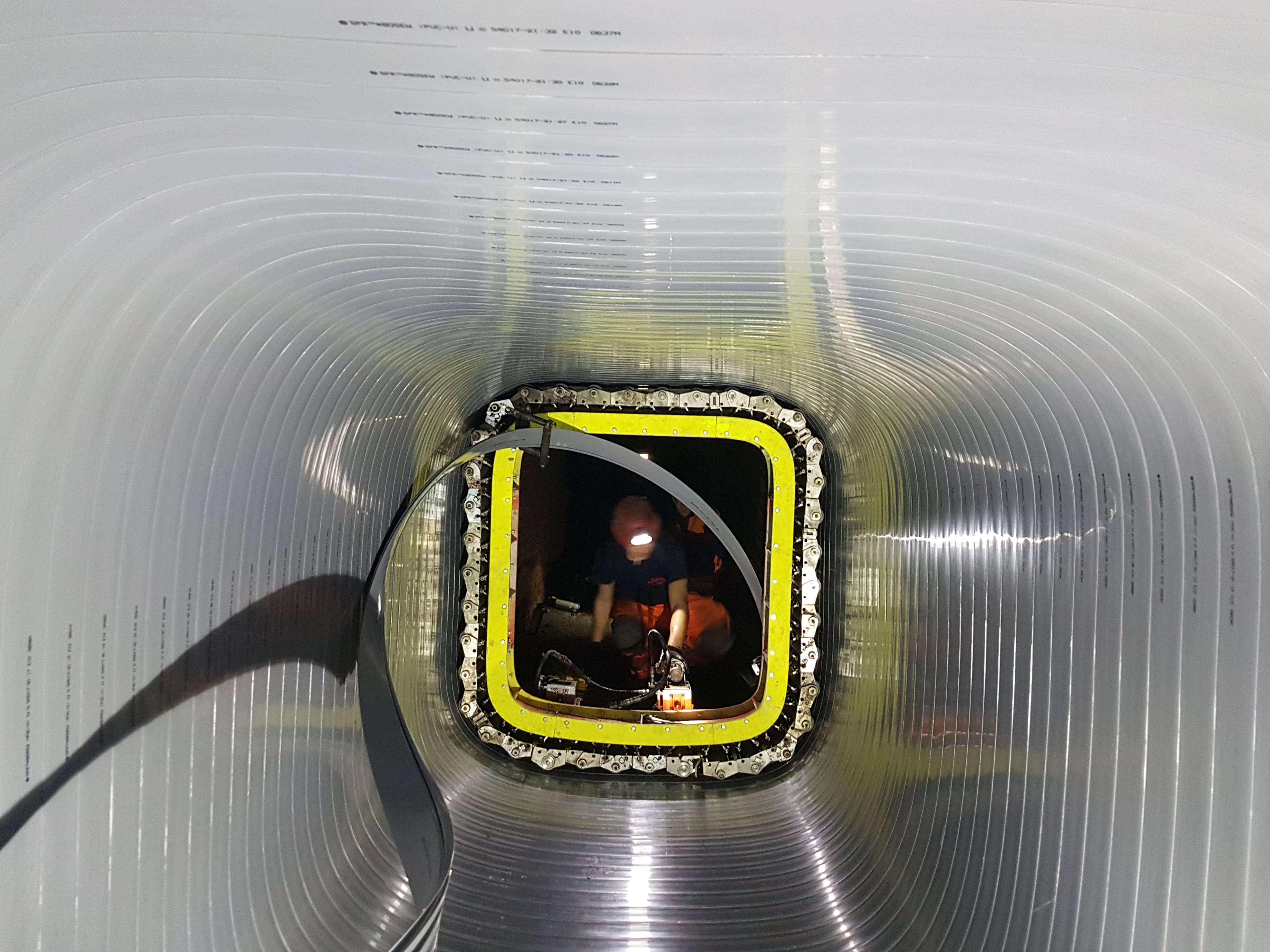
Egg, circular, box, and special profiles

Condition of the existing pipe

Suitable for cracks, infiltration, exfiltration, corrosion, or material fatigue

Curved alignment capability

Possible even for bends up to 5D (depending on the process)

Areas of application for winding pipe

  • Main collectors and large-profile sewers

  • Combined and stormwater sewers

  • Industrial and process water pipelines

  • Pipelines with large cross-sections

  • Pipelines with complex geometries

  • Rehabilitation projects with high hydraulic requirements

  • Heavily loaded or heavily degraded old pipes

This is how the winding pipe technology works

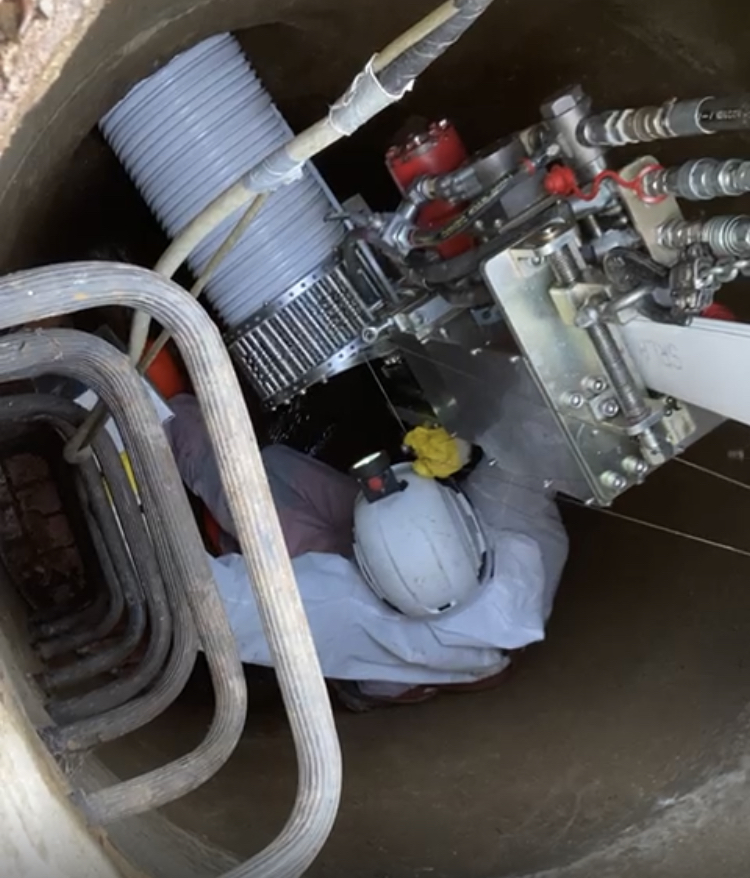
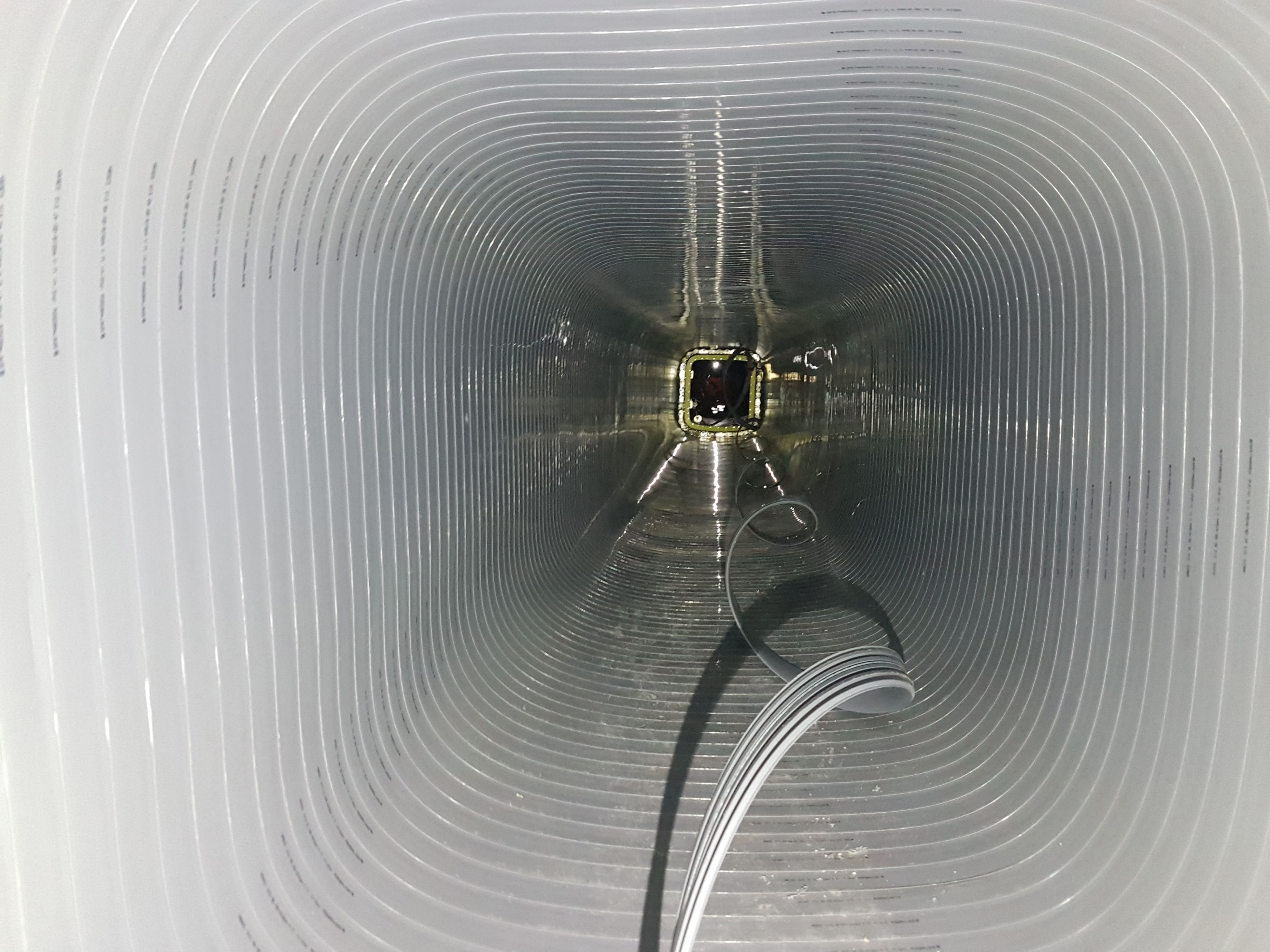
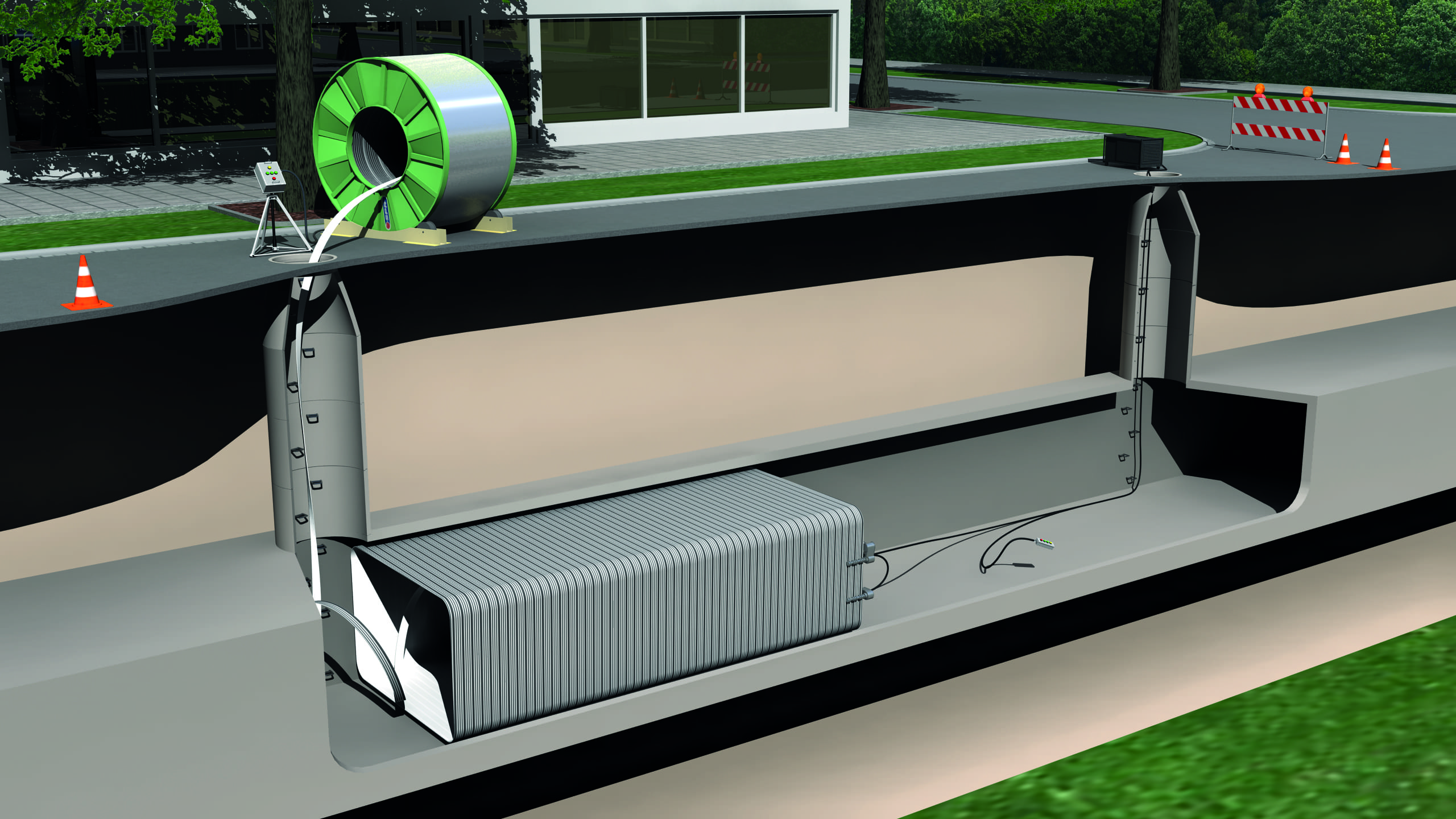
Factory-made PVC or HDPE profile strips are mechanically wound directly in the old pipe to form a new pipe body. The edges of the profile strips interlock and form a homogeneous, durable pipe system – fast, economical, and trenchless.

Depending on the system, this results in:

  • a force-fit bond directly on the old pipe or
  • an annular gap that is then filled (grouted)

The profiles are connected:

  • for PVC-U, by mechanical locking with sealing or adhesive elements
  • for PE, by extrusion welding

Depending on the process, the winding machines are used stationary in the shaft or travel through the pipeline during the winding process.

The winding pipe systems at a glance

SPR™ TM

  • Nominal diameters DN 800 – DN 5500
  • For large and special profiles with mortar filling
  • Steel-reinforced PVC-U profiles
  • Annular space is filled with statically load-bearing grouting material
  • High-quality concrete pipe with internal plastic lining
  • Different profiles for different rehabilitation requirements
  • Bends up to 5D possible.

SPR™ EX

  • Nominal diameters DN 150 - DN 1050
  • Self-supporting close-fit liner
  • Close-fit process - winding pipe liner lies snugly against the old pipe
  • Designed for the highest loads and tightness, e.g. in landfills or earthquake zones

SPR™ RO

  • Nominal diameters DN 900 - DN 3000
  • Self-supporting rehabilitation system
  • Restores or improves hydraulic capacity, service life, and corrosion resistance

Winding pipe process in practice

Frequently Asked Questions

Everything else you need to know about the technology

What dimensions can be rehabilitated with the winding pipe process?

The winding pipe process can be used for nominal diameters from DN 150 to DN 5500

For which pipe profiles is the process suitable?

The process is suitable for circular profiles, egg profiles, box profiles, and special profiles

What materials are used?

Factory-made profile strips made of PVC-U or HDPE are used

How are the profiles connected to one another?

PVC-U profiles are connected via a mechanical lock with sealing or adhesive elements, PE profiles by extrusion welding

What system variants are available?

Depending on the project, reinforced systems, close-fit systems, or self-supporting systems are used

What is a close-fit system?

In a close-fit system, the new pipe lies tightly against the old pipe, with no or only minimal annular gap

When is an annular gap filled?

If the new pipe system is installed with an annular gap, it can subsequently be statically filled

Are bends possible?

Bends up to approx. 5D are possible depending on the system

Is use possible in groundwater?

Yes, the process can also be used in groundwater

How is the technical design carried out?

After installation is complete, the system is statically designed as an independent pipe system

What hydraulic advantages does the process offer?

Smooth inner surfaces can maintain or improve the flow capacity

What does the specific execution depend on?

The design depends on nominal diameter, profile shape, old pipe condition, annular gap, structural analysis, hydraulics, and accessibility

Ready to tackle something big? So are we!