
Freilassing
Pipe rehabilitation
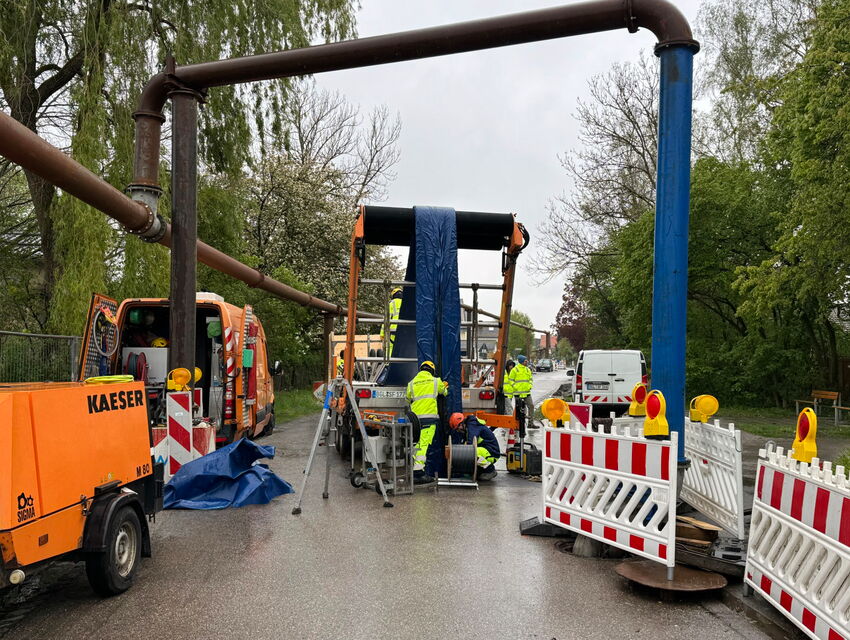
Trenchless pipe rehabilitation reduces infiltration and thus sustainably lowers energy consumption in wastewater treatment plants and pumping stations.
The example of the construction project in Germering by the AmperVerband shows how targeted rehabilitation measures on drainage systems can make an effective contribution to the energy transition.
While public discourse on climate protection and sustainable energy generation often looks “upward” — for example at wind power or solar installations — potential energy savings underground are often overlooked. Yet the targeted rehabilitation of drainage systems in particular can make a substantial contribution to energy savings: By reducing infiltration, not only does the energy consumption of sewage treatment plants and pumping stations decrease — groundwater is also sustainably conserved. This aspect is gaining increasing importance, especially in regions with limited water availability — also with regard to the protection of valuable groundwater reserves.
An impressive example is provided by the AmperVerband with the trenchless rehabilitation of a section of the Germering main collector, approximately 1.4 kilometres long, with an internal diameter of 800 mm. The aim of the measure was the significant reduction of extraneous water inflows via pipe runs, shafts, and connection pipes.
Planning and project preparation
In spring 2023, the engineering office ISAS GmbH from Füssen was commissioned with the planning, tendering, and construction supervision of this technically demanding measure. The challenge: the main collector transports an average of 160 litres of wastewater (separate system) per second – at high flow velocity. Conditions that required special technical solutions.
From analysis to implementation: planning and verification of infiltration water reduction
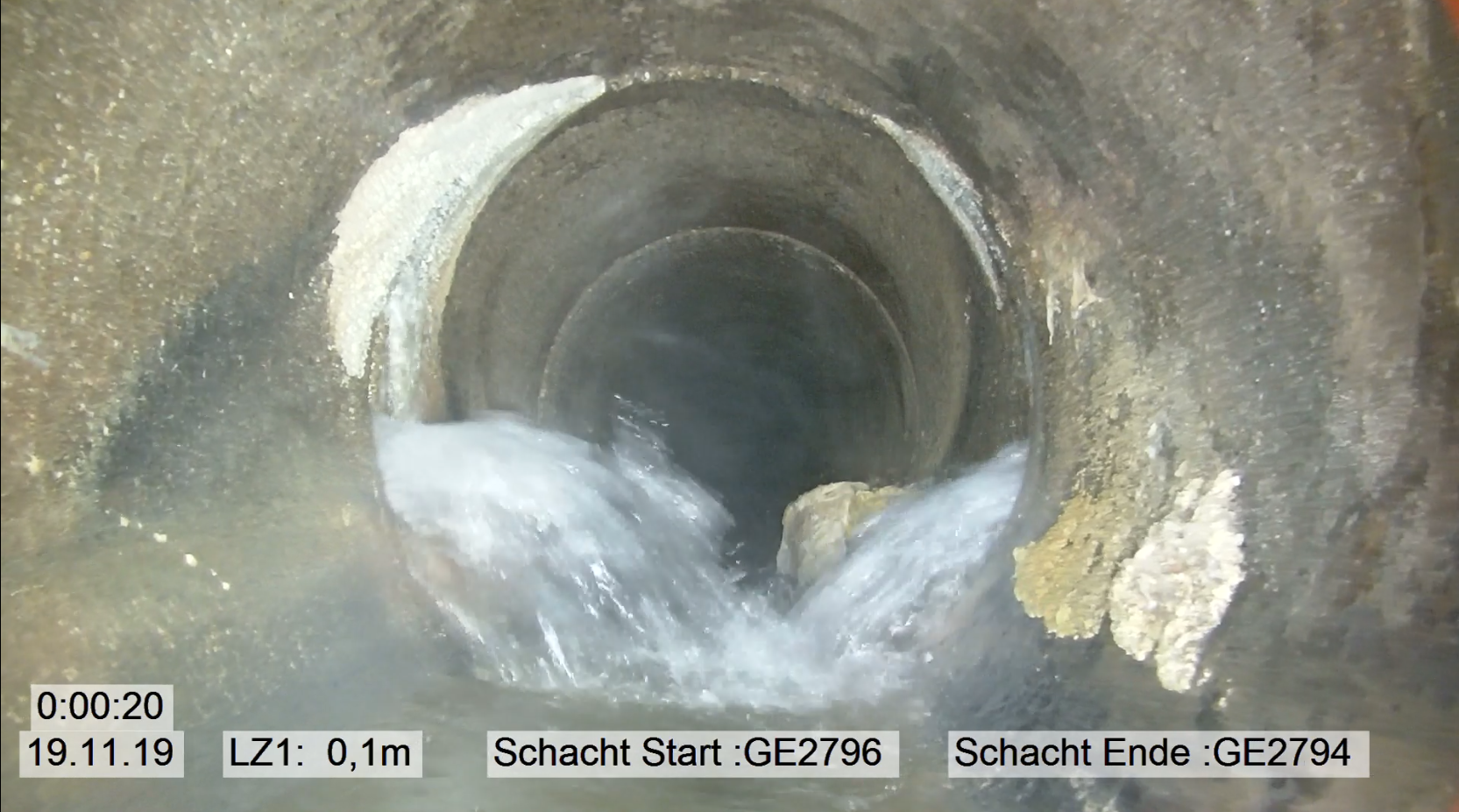
As part of a comprehensive condition assessment, the main sewer inspection data were first analyzed. In order to carry out a holistic rehabilitation, all adjoining connection pipes were to be included in the rehabilitation planning from the client's point of view. On this basis, in July 2023, all house connection pipes, inspection chambers, and all main sewer manholes were inspected.
On this basis, ISAS developed the design planning and subsequently the execution planning. Key planning data—such as the expected volumes of wastewater and the location of the property drainage lines—were provided by the AmperVerband.
Another central part of the project was close coordination with the traffic authority of the city of Germering. In particular, for the installation and removal of the temporary wastewater diversion, detours, full road closures, and coordination with the police, Munich Transport and Tariff Association (MVV), and Busverkehr SüdBayern had to be coordinated in detail. This required resolving numerous conflicts of interest and identifying critical interfaces at an early stage. The day-specific and deadline-compliant implementation of all measures meant a considerable coordination effort for all involved.
Demonstrable Savings: Measured Values Prove the Success of the Measure
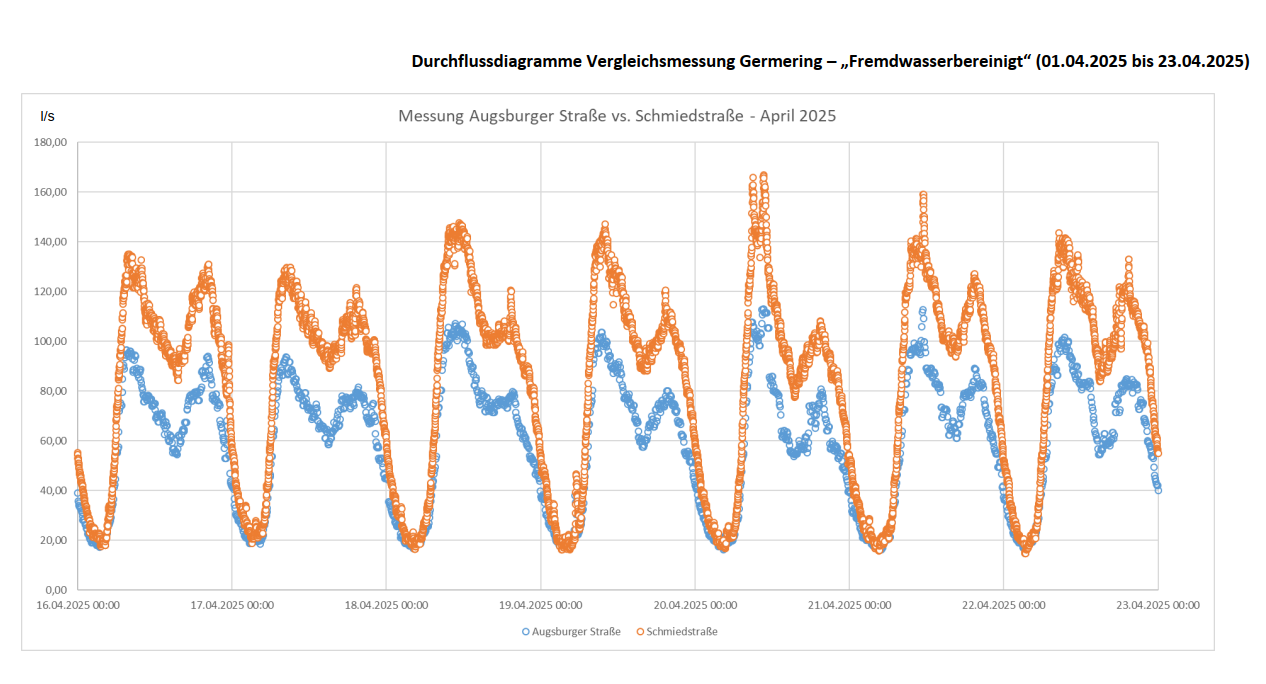
To verify the effectiveness of the rehabilitation, comparative measurements were carried out at the project's start and end shaft. The measurements were deliberately taken during the night hours between 02:30 and 04:30 in order to capture the influence of dry-weather inflows as precisely as possible. The comparison of the measurement data from the years 2023 (before rehabilitation) and 2025 (after rehabilitation) impressively shows the result:
- Dry-weather discharge summer 2023 (adjusted*): 17,20 l/s
- Dry-weather discharge summer 2025 (adjusted*): 2,30 l/s
- Reduced extraneous water inflow: 14,90 l/s or 53,65 m³/h
*Adjusted: Minus extraneous water from side tributaries.
Projected, this results in an annual saving of around 470,000fm³ of external water – a significant contribution to energy savings in wastewater treatment plants and pumping stations. For better understanding: This amount corresponds to the annual drinking water demand of around 10,000 people – even though external water is of course not drinking water.
As the rehabilitation work was implemented, it became clear that a reduction in external water not only affects the public section of the sewage channel. Locating and minimizing the inflow of external water from the property drainage systems is just as important here. The AmperVerband will also have to continue demonstrating activities in this area in the coming years.
Technical implementation: joint sealing as a key measure
In order to make the trenchless rehabilitation possible, the wastewater had to be completely diverted. For this purpose, an above-ground steel pipe line (DN 300), mounted at a height of 4.50 meters, was used. Two pumping stations with a maximum pumping capacity of up to 160 l/s each (with 97% reliability) ensured uninterrupted operation.
Before the installation of the GRP hose liner in the existing concrete pipe (DN 800), manual socket sealing was required. A rehabilitation worker from the executing company Swietelsky-Faber GmbH sealed each individual socket with special mortar - physically demanding work carried out on a creeper board in the sewer. An alternative injection using the SPUR process would have meant considerably greater effort under the confined space conditions. The decision was therefore made deliberately in favor of manual execution with packing mortar. The entire pre-sealing was successfully completed within just three weeks - a key component for the later rehabilitation success.
Special Proposal for GRP CIPP Liner: Save Energy through Innovative Technology
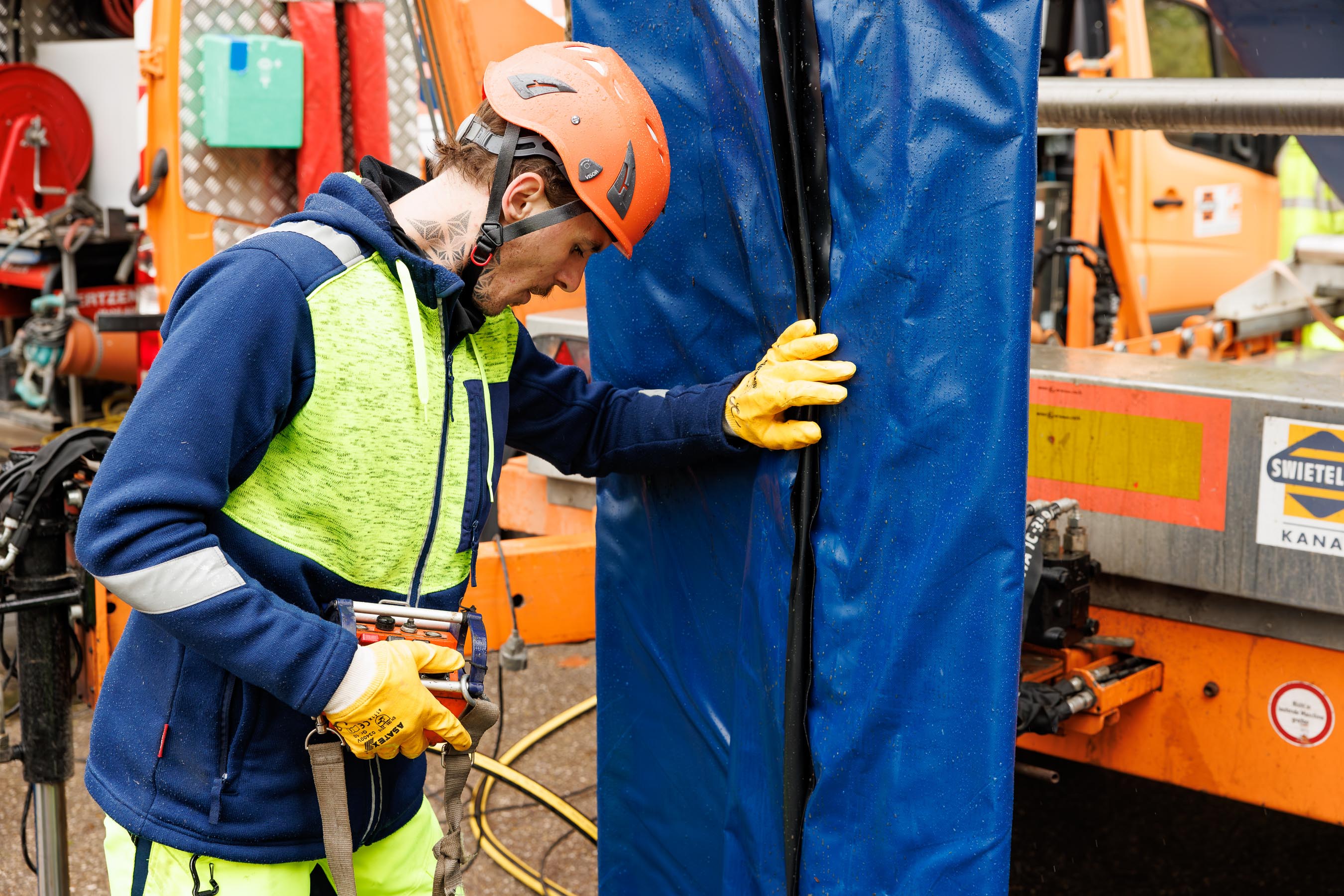
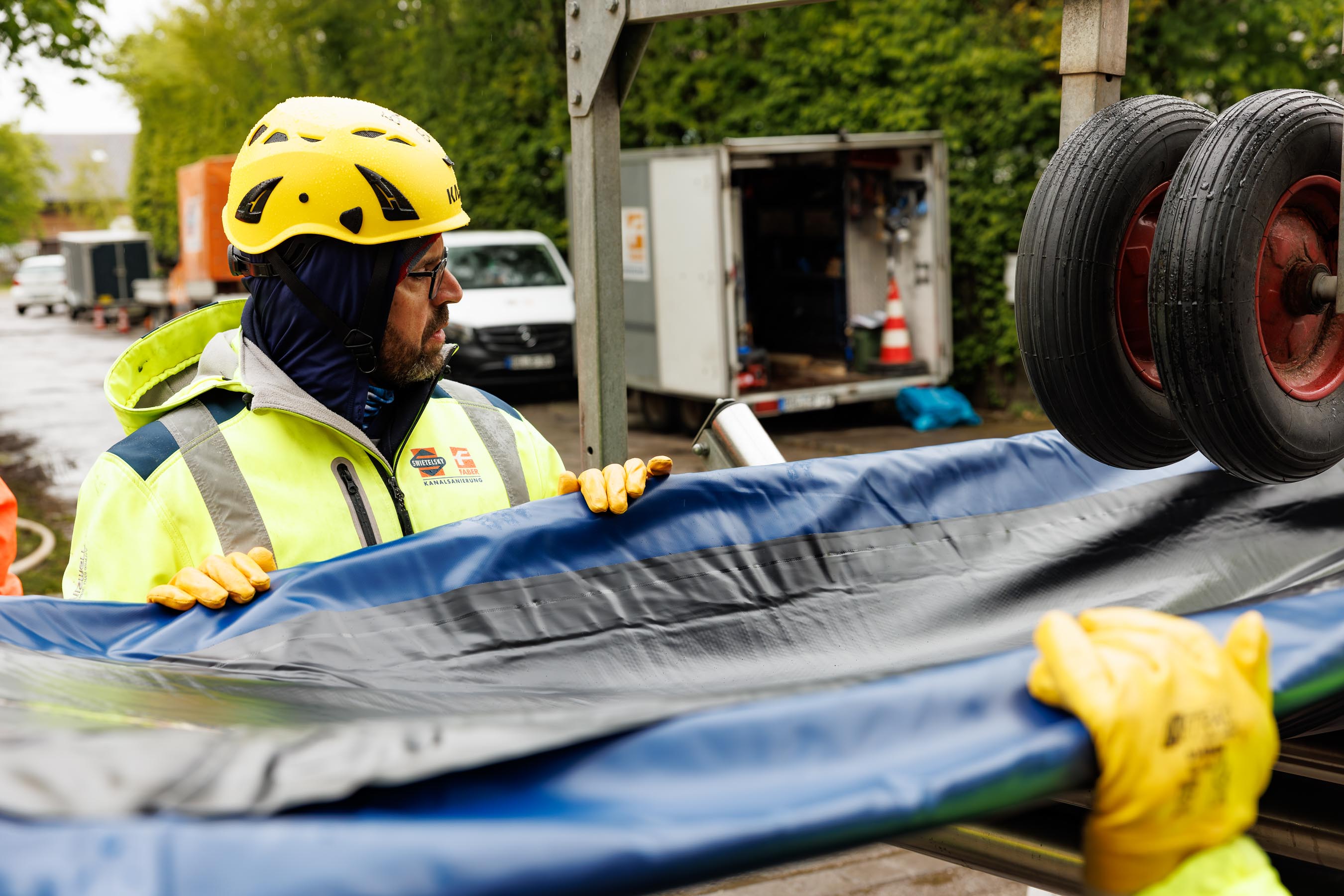
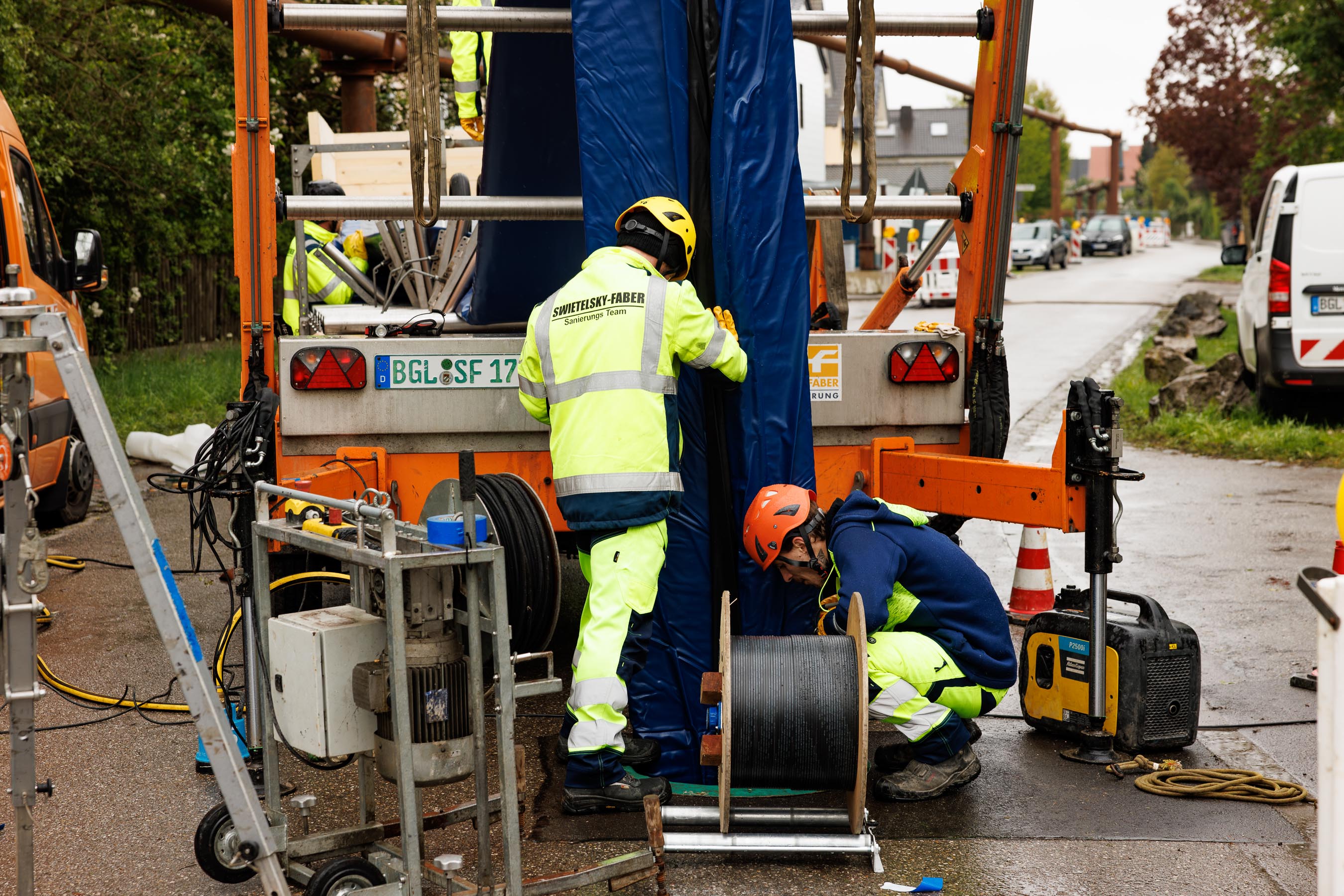
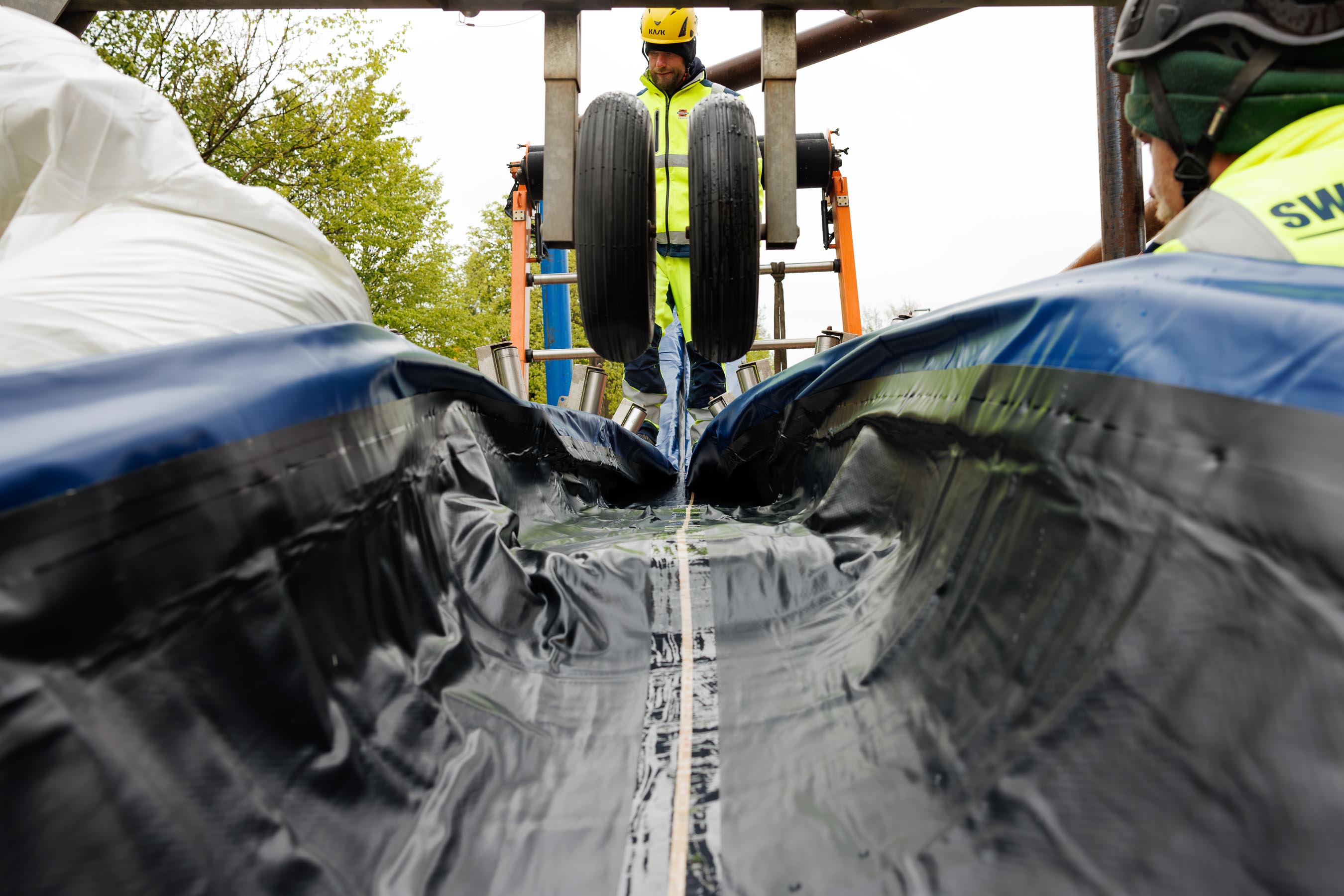
Originally, due to the high groundwater level and the resulting cooling of the existing pipe, a needle-felt liner with hot water curing was specified. However, Swietelsky-Faber submitted a special proposal for the use of a GRP CIPP liner (glass-fibre-reinforced plastic liner), which was associated with significant advantages:
- On the one hand, the noise-intensive dewatering system could be shut down during the night hours — a noticeable relief for local residents.
- On the other hand, the use of GRP pipe liners completely eliminated the need for complex excavation pits.
- Energy consumption also proved to be a decisive advantage:
The energy-intensive heating of the hot-water liner, the multi-day cooling period, and the long operating times of the temporary pump systems could be significantly reduced. In order to be able to technically assess the effectiveness of the special proposal, the engineering office ISAS required that the temperatures of the existing pipe and the pipe liner be continuously monitored along the entire pipe length during curing. The Vericure system from the company Vortex was used, which made both continuous temperature monitoring and control of the curing speed possible. This made it possible to precisely adapt the curing process to local conditions, even in heavily cooled existing pipes.
Final Work and Conclusion
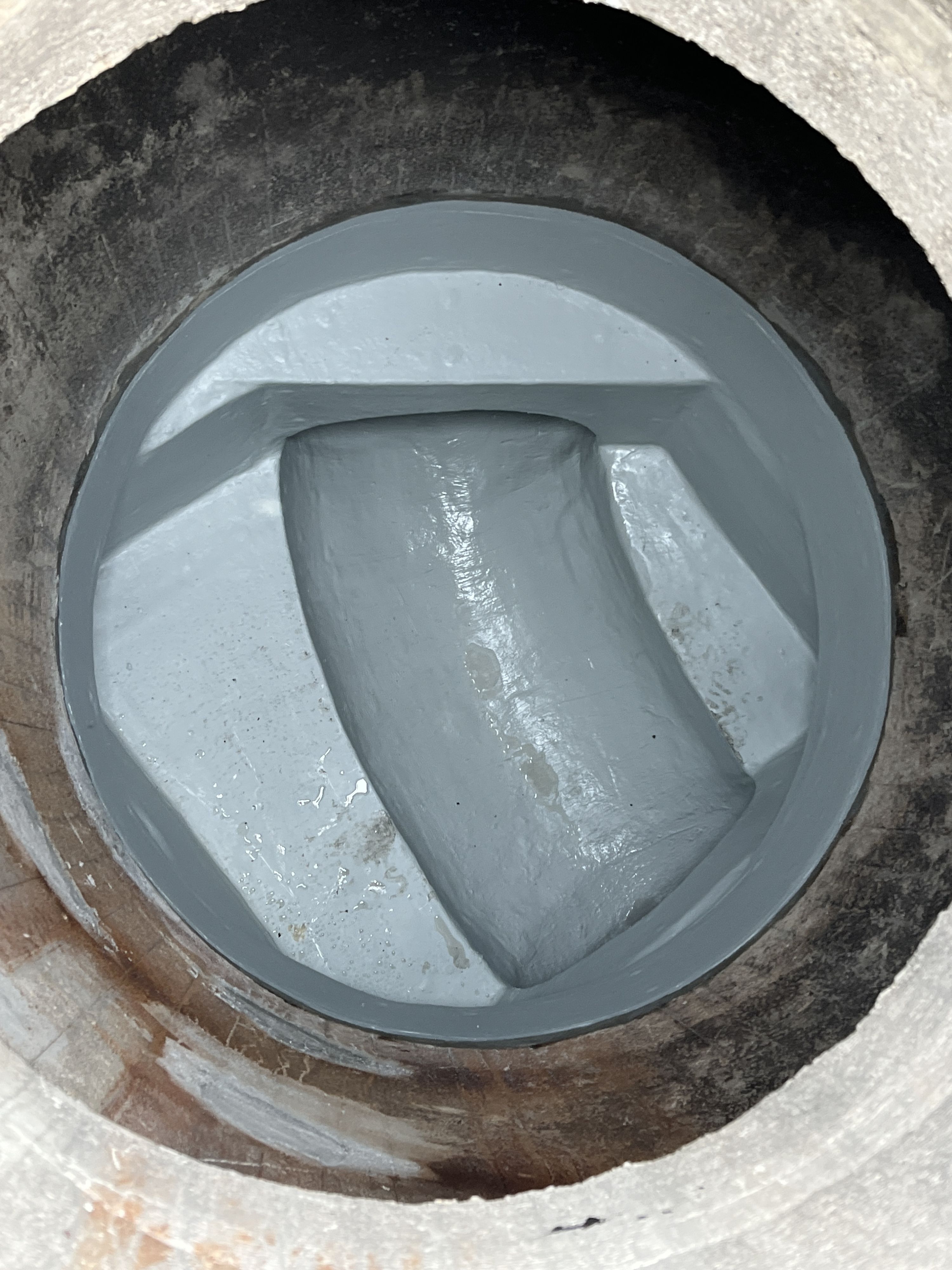
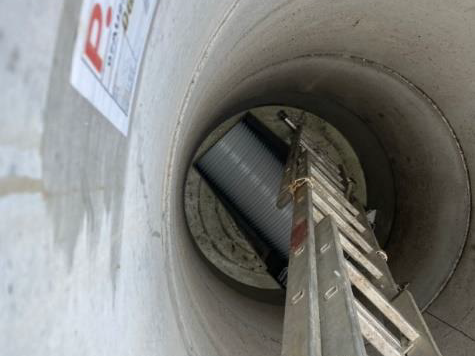
The shafts were finally lined with dowelled GFRP panels. Due to the pipe sealing by means of a hose liner, the local groundwater level rose – an effect that made the installation of the GFRP laminate considerably more difficult. This presented the installation team with particular challenges: every single dowel hole had to be sealed in advance with SPUR resin in order to reliably prevent groundwater from entering.
The entire measure took place under difficult weather conditions. Nevertheless, thanks to the high level of commitment shown by the rehabilitation crews of Swietelsky-Faber GmbH, there were no lost days. The construction period was completed as scheduled – despite unforeseeable challenges such as complex pre-sealing work and short-notice adjustments to regulatory requirements. Despite these conditions, the project remained within the calculated cost framework.
A project with exemplary character
The project of the AmperVerband exemplarily shows the potential that trenchless rehabilitation has for reducing infiltration water — not only with regard to operating costs, but also in terms of sustainable resource protection and the energy efficiency of municipal infrastructures.
Unfortunately, as a general rule, only the manufacturing and implementation phase has so far been considered in the environmental product declarations. It would be desirable if the enormous operational effects described here were also considered in the life cycle assessments according to EN 15804. This would bring us significantly closer to a comprehensive view of the environmental balance of rehabilitation measures on drainage systems, that is, "from Cradle to Cradle".
Climate protection begins not only above, but also beneath the ground.
 während d-01.jpg)
More projects
-
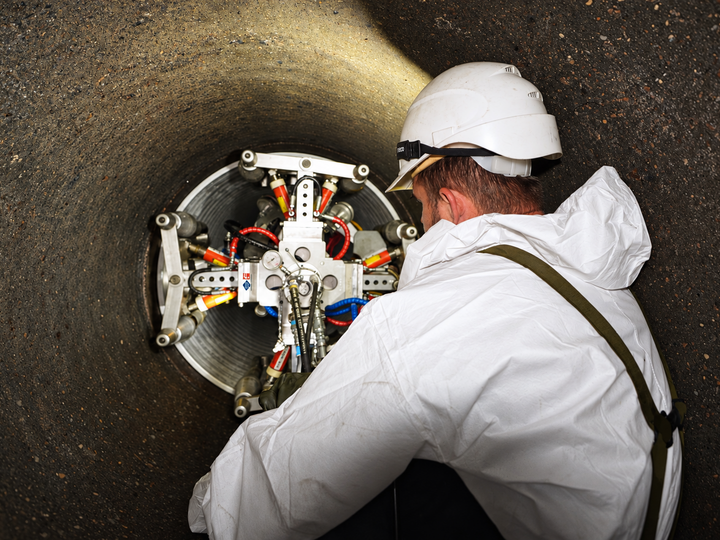
Leipzig / Stuttgart
-
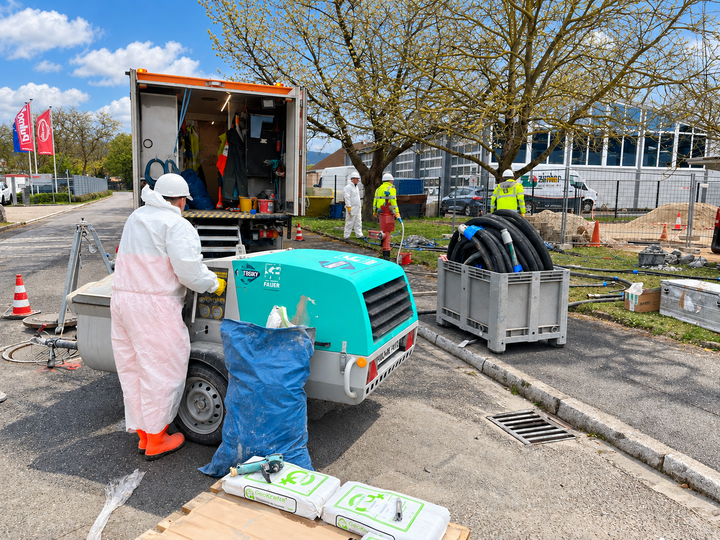
Mülheim: Sustainable large-profile rehabilitation with GeoKrete®
Freilassing
-
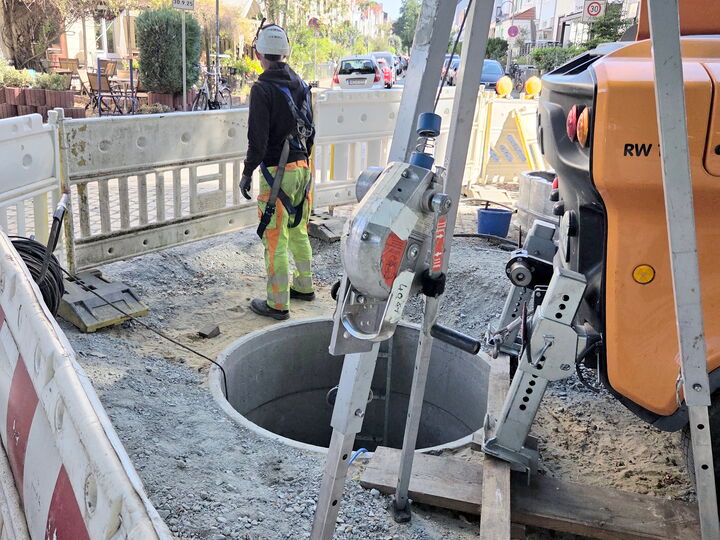
Bremen: Combined sewer in egg-profile renovated with UV liner
Blomberg / Hamburg / Hamburg Head Office
-
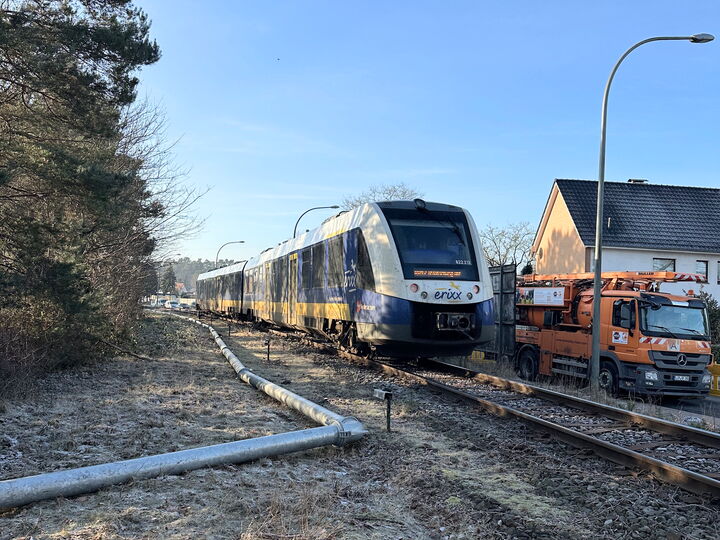
Gifhorn: Premiere in the railway environment of Deutsche Bahn
Blomberg
-
Bodenheim: Close-fit method secures drinking water transport pipeline
Alzey / Hörsching
-
Staßfurt: Sustainable coating of a brine tank
Nuremberg
-
Oberaudorf: Concrete rehabilitation of the Röthenbach stream culvert
Freilassing
-
Tegernsee Brewery: Trenchless manhole rehabilitation with polyurea
Freilassing / Nuremberg
-
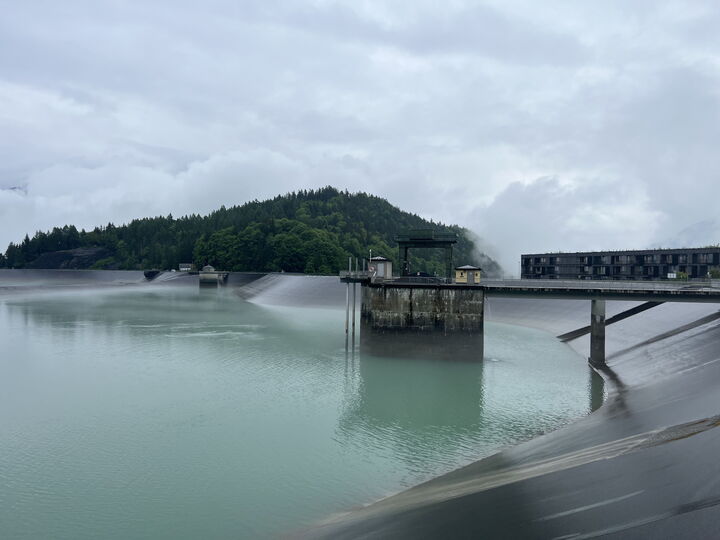
Power plant pipelines: Tailor-made solutions
Hörsching
-
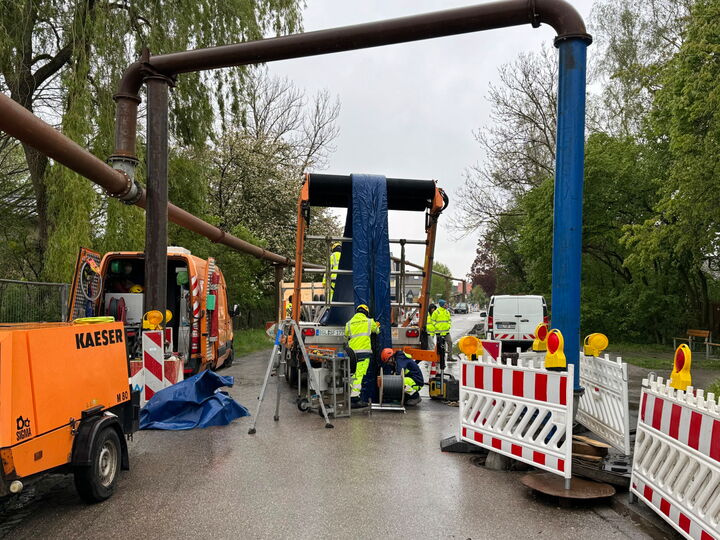
Germering: Sustainable pipe rehabilitation reduces energy demand in wastewater treatment plants
Freilassing
-
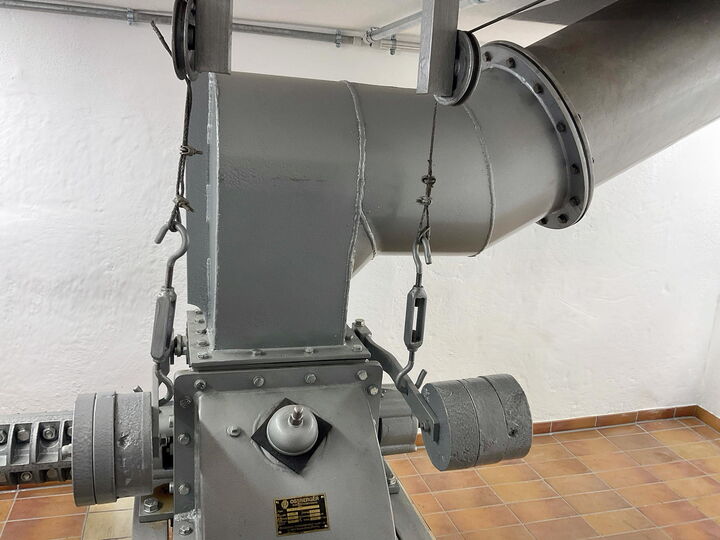
Herrenmühle Aulendorf: Pressure pipeline sustainably rehabilitated
Hörsching / Landsberg
-
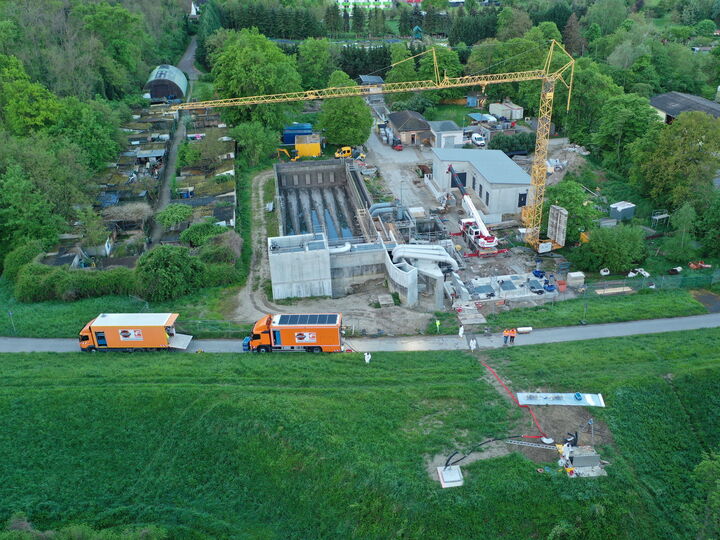
Altrip: Trenchless rehabilitation secures flood protection at the pumping station
Alzey
-
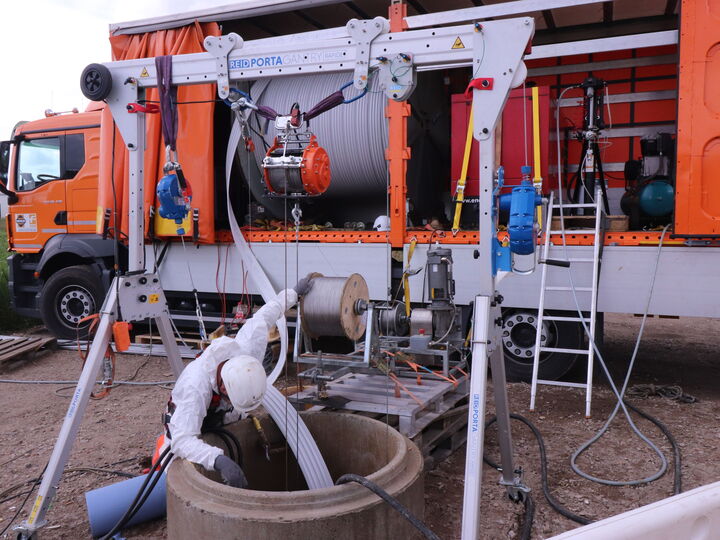
Flensburg: Wound pipe technology in use beneath a former landfill
Hamburg / Leipzig
-
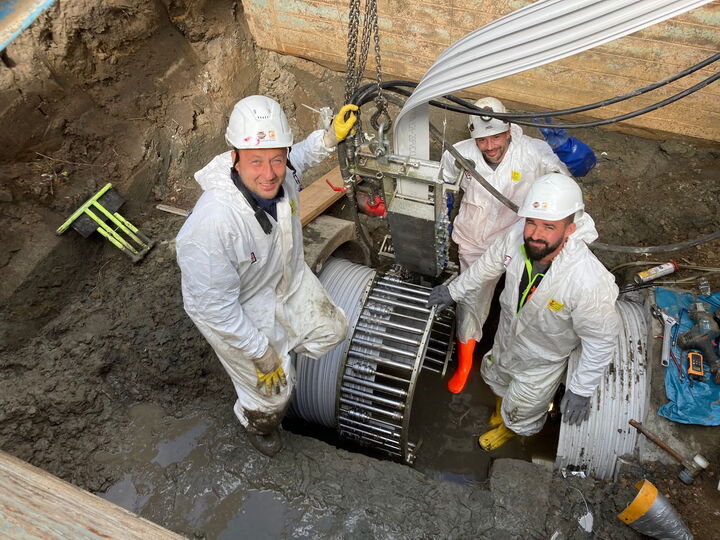
Wermelskirchen: Liner pipe technology shows strengths in combined rehabilitation
Alzey / Leipzig
-
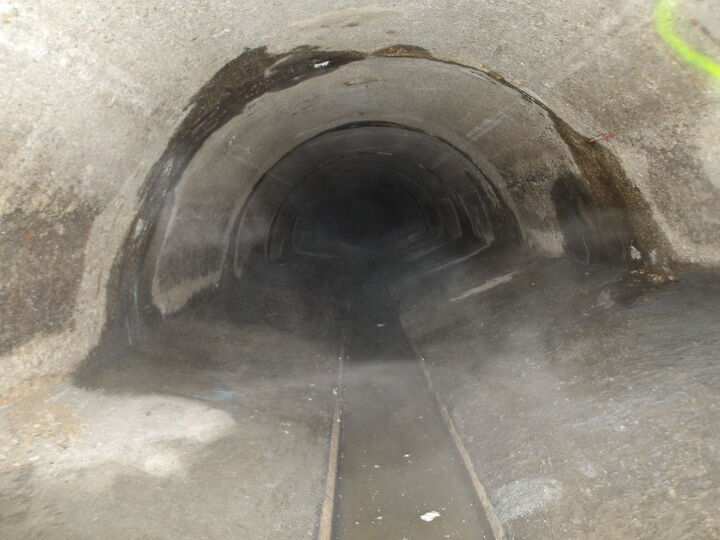
RHV Mittleres Rodltal: Mouth profile rehabilitated with UV pipe liner
Hörsching
-
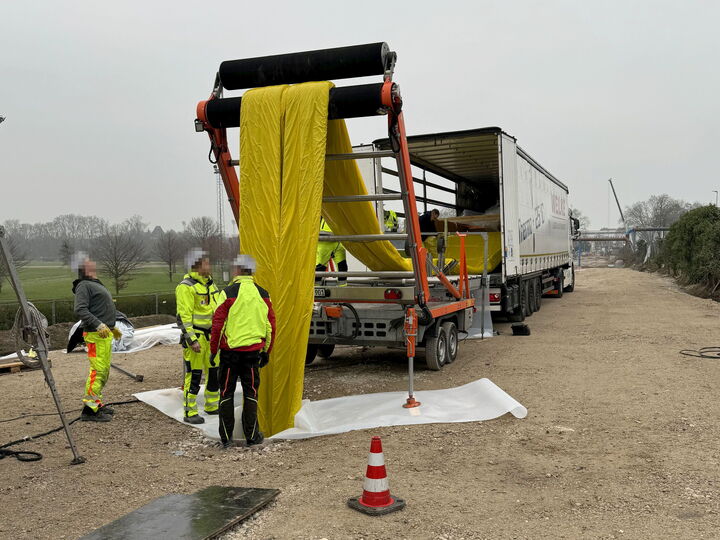
Neuss: Sewer rehabilitation in large dimensions DN 1200–1500
Blomberg
-
Freyburg relies on SPR-EX wound pipe technology
Hamburg / Leipzig