Nuremberg
Building rehabilitation
Sustainable refurbishment of a steel tank for saturated salt brine under demanding conditions
Source: OBIC GmbH
Authors: Roland Stuiber, Dipl. Ing. (FH) Thorak Udo
Demanding framework conditions in Staßfurt
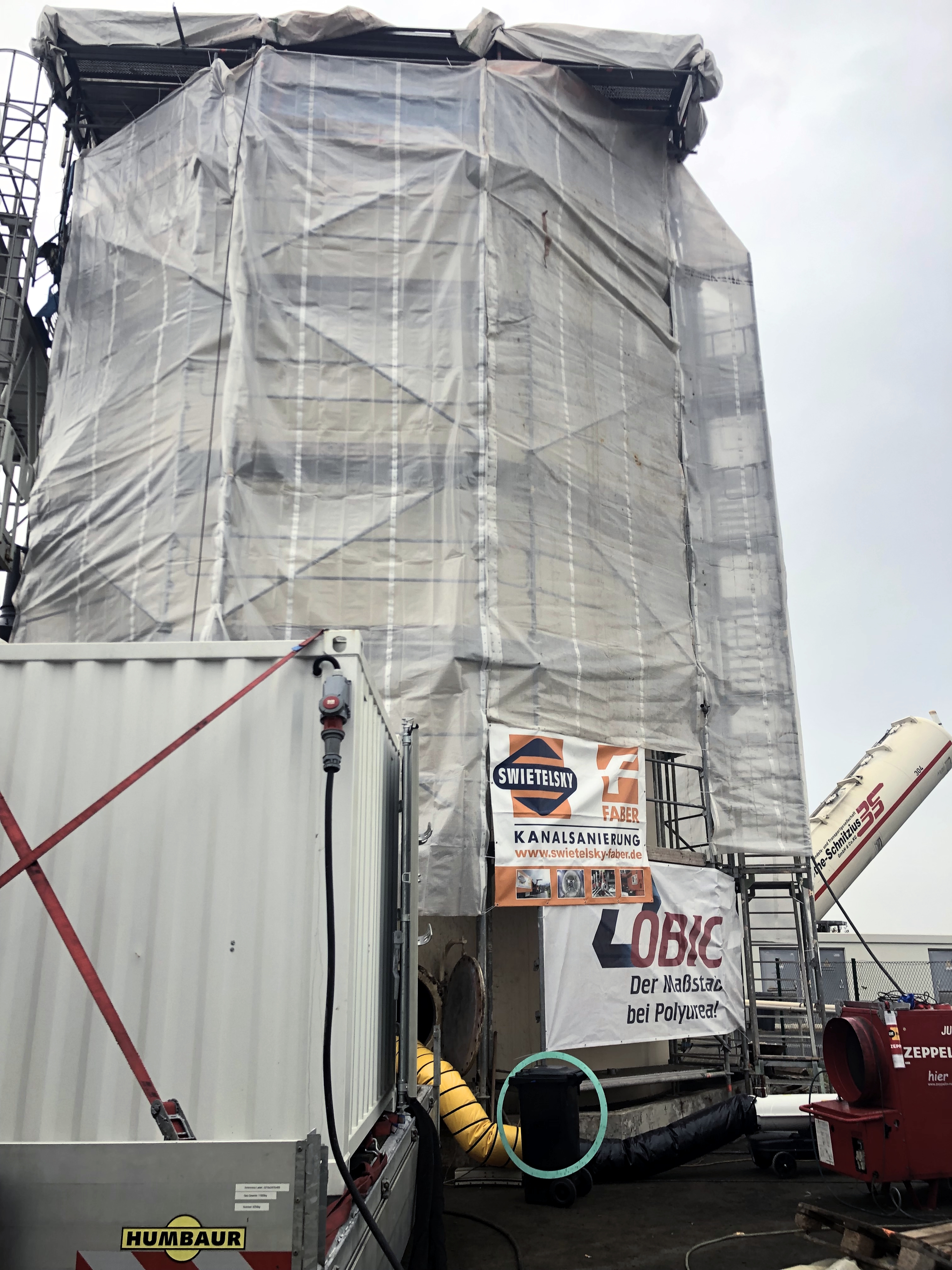
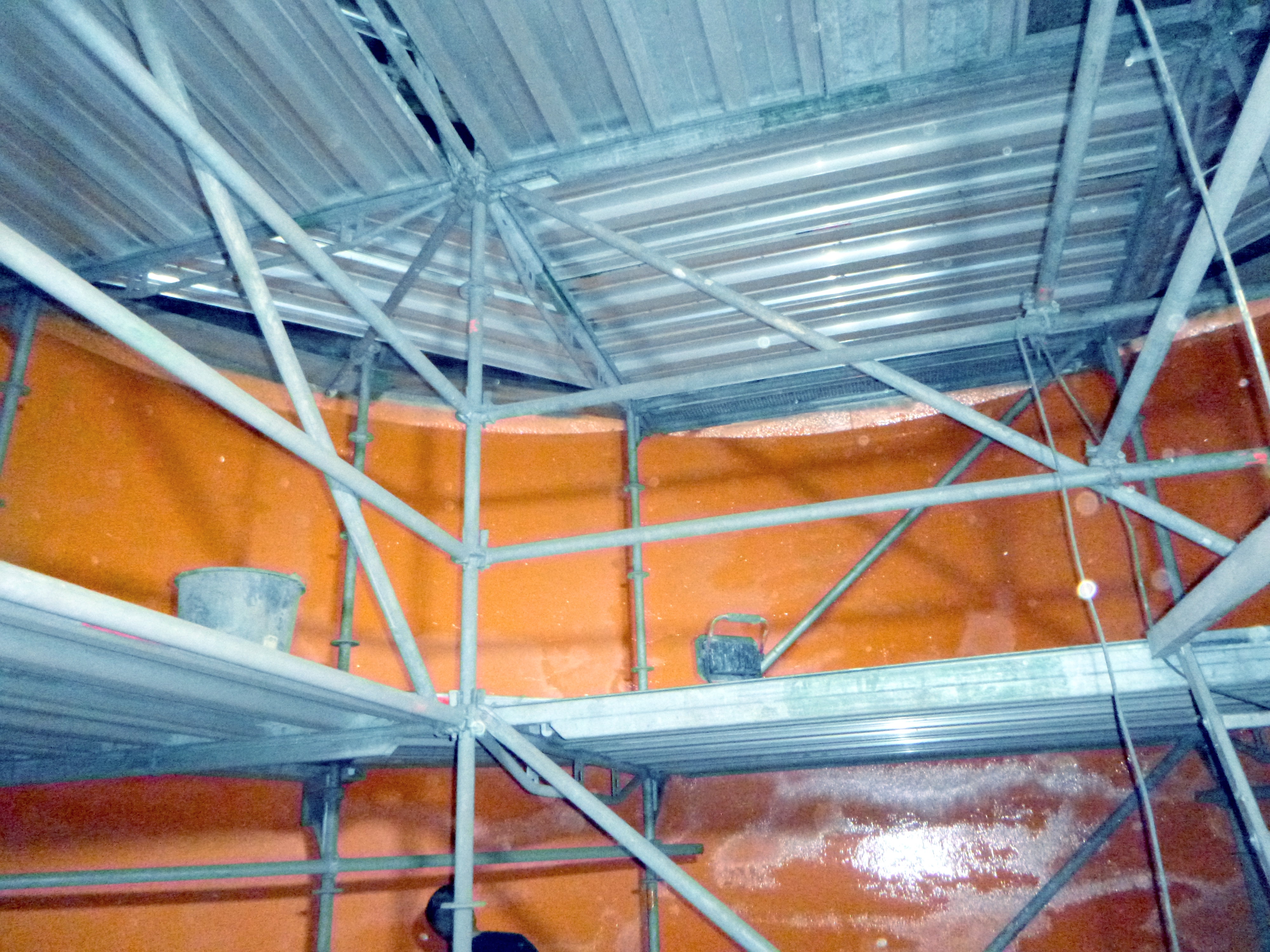
The refurbishment of large-volume steel tanks places high demands on material technology, execution, and construction site logistics. In the present project in Staßfurt, Saxony-Anhalt, a cylindrical steel tank with a diameter of 8 metres and a height of 11 metres was comprehensively refurbished. The tank is used for storing saturated salt brine – a medium with particularly high chemical aggressiveness.
Additional challenges arose due to limited accessibility: all work had to be carried out through a manhole measuring only 0.8 meters. At the same time, rapid implementation was required within tight time constraints.
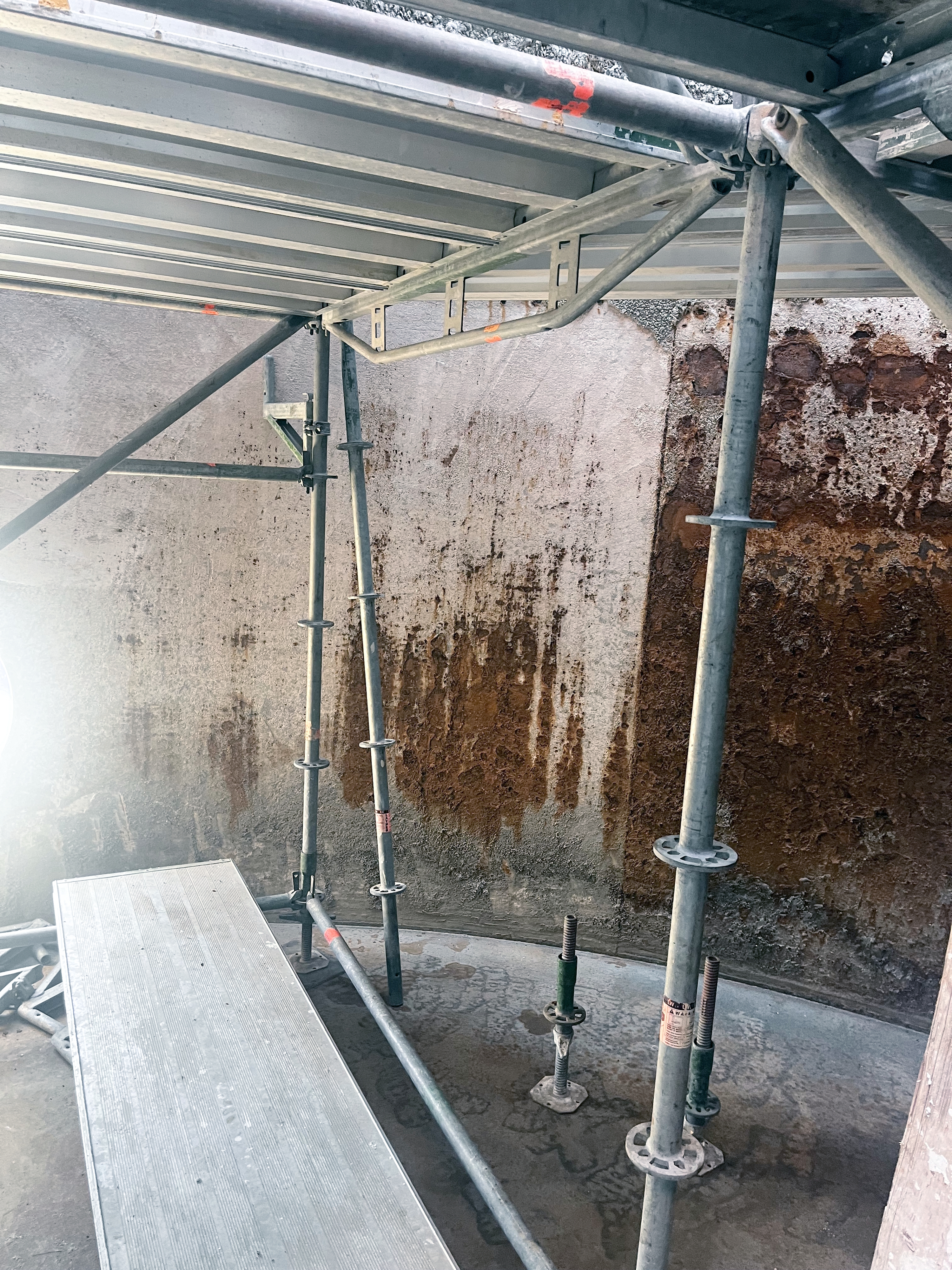
Corrosion damage as the starting point
After the tank had been completely emptied and cleaned, a significant degree of corrosion was identified during the surface preparation process. The steel surfaces were prepared by sandblasting in accordance with SA 2.5. In some areas, the material had already been so severely damaged that steel plates had to be replaced.
To prevent immediate re-corrosion, a corrosion-protective primer was then applied after blasting – a crucial step for the durability of the entire system.
Efficient coating in two construction phases
The actual coating was implemented in two construction phases:
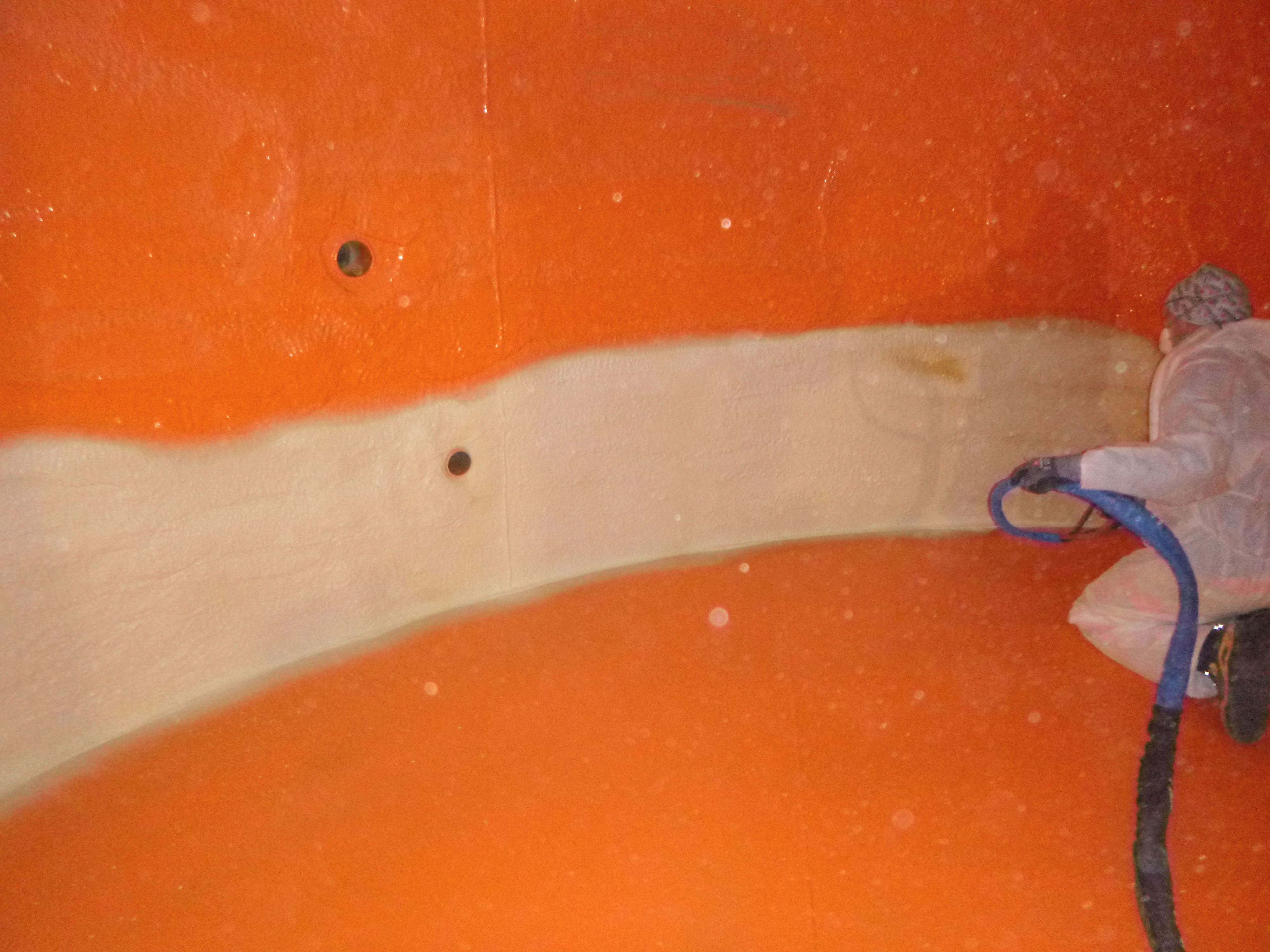
- Construction phase 1: wall surfaces up to 0.5 m above floor level
- Construction phase 2: floor, lower wall area as well as entry zone
Despite the complex framework conditions, the entire interior area of around 330 m² was completed in a pure coating time of only 5.5 working days.
Three-layer OBIC-Armor system in use
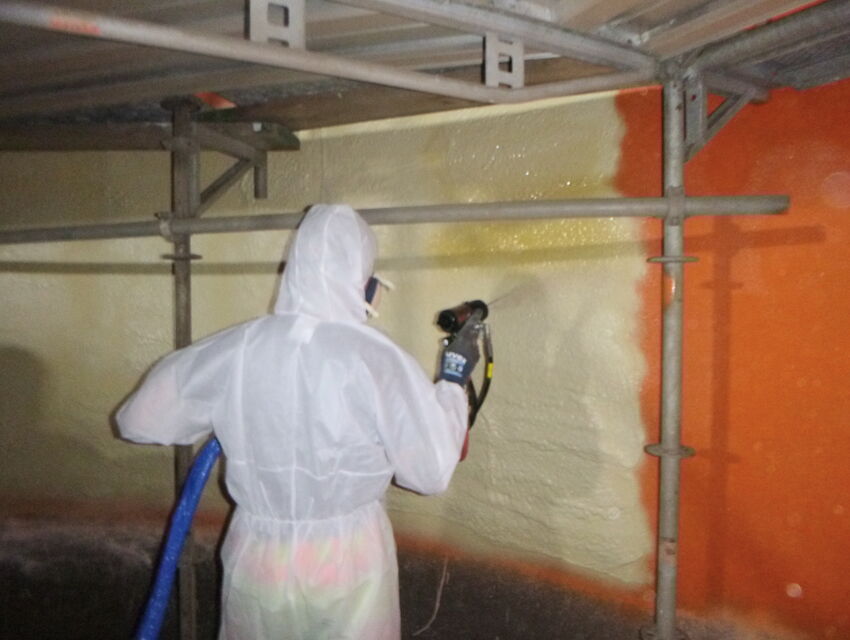
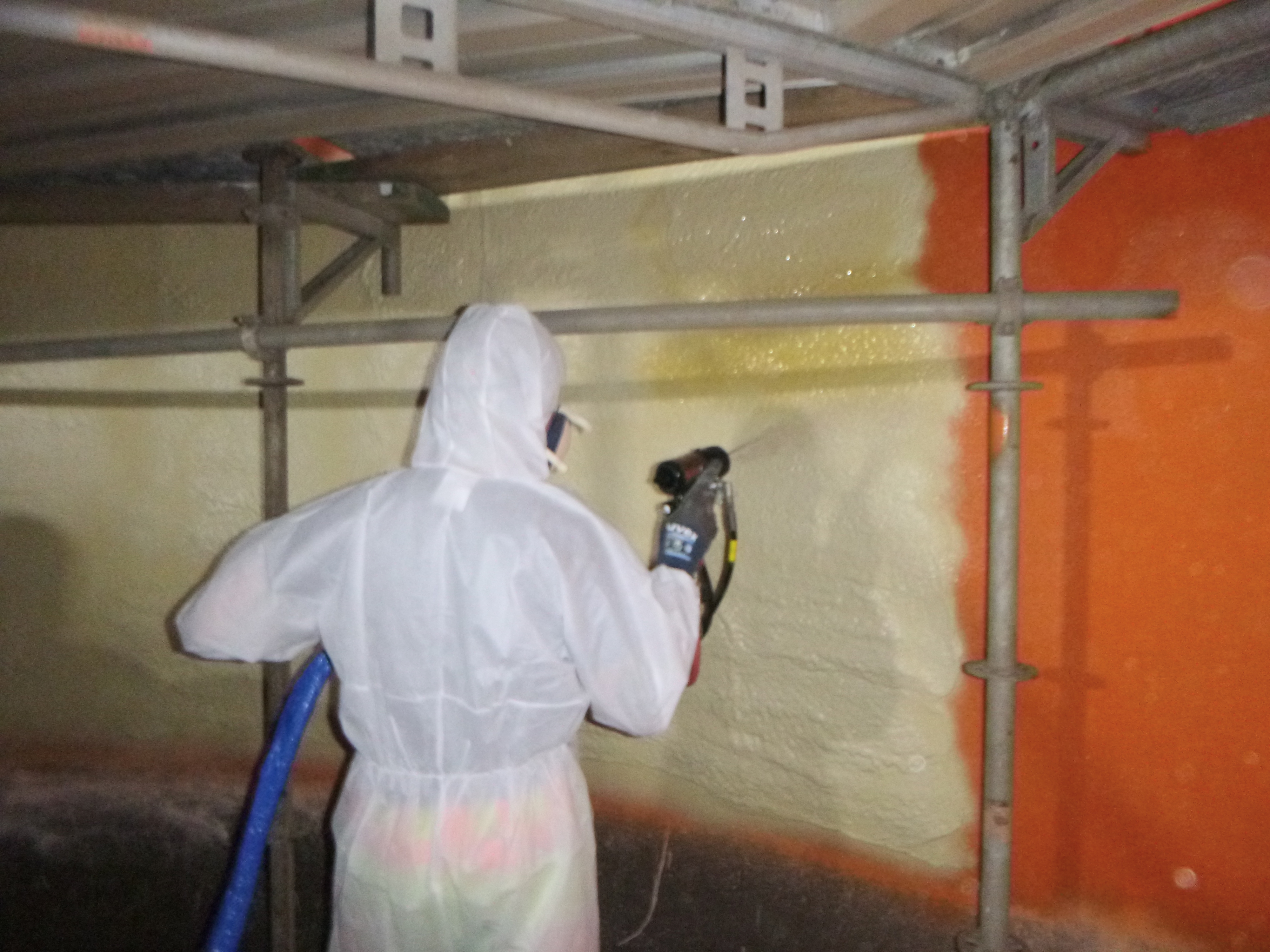
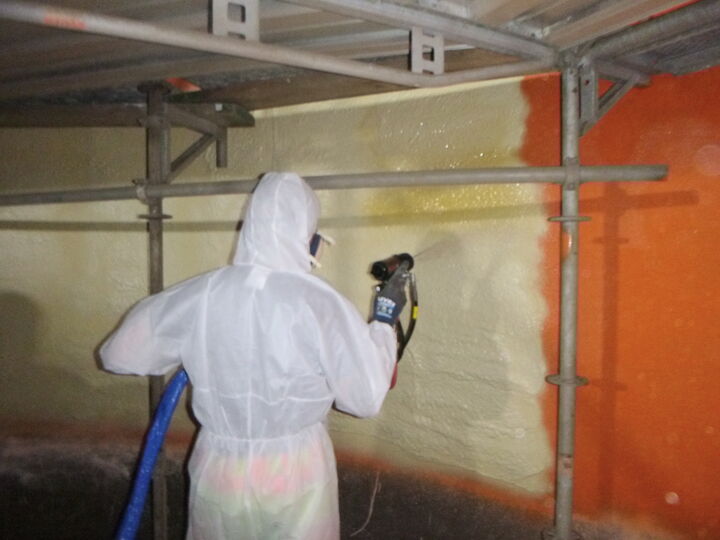
The innovative three-layer OBIC-Armor polyurea system was used, which was specially developed for highly demanding industrial applications.
The system structure at a glance:
- Primer: Epoxy-based bonding bridge for sealing and optimal adhesion to the steel substrate
- Polyurea base layer: Rapid-reacting protective layer applied using a hot spray process with an extremely short reaction time
- PU rigid foam: Pressure-resistant, closed-cell structure for layer reinforcement and structural optimization
- Polyurea topcoat: Highly chemically resistant final layer for long-lasting protection against saturated brine
Particularly noteworthy is the extremely short reaction time of the polyurea coating of just a few seconds. This allowed the work to be carried out efficiently and with virtually no interruptions.
Focus on sustainability and longevity
In addition to technical serviceability, the OBIC system also offers decisive advantages in terms of sustainability:
- Extension of the service life of existing structures instead of new construction
- Conservation of resources through minimal material use with maximum protective effect
- Reduced downtime, thereby minimizing operational interruptions
- Long-term chemical resistance, especially to highly concentrated salt solutions
Especially in the context of critical infrastructure, coating technology thus makes an important contribution to sustainable maintenance.
Precise execution down to the last detail
The work was carried out section by section from top to bottom, adapted to the respective scaffold height. Each area was inspected immediately after completion and quality-assured.
The connection of the two construction phases was achieved through targeted reactivation of the existing polyurea layer, thereby ensuring a homogeneous and permanently resilient overall coating.
Areas at rest that were initially inaccessible due to the design were finally and easily recoated using the OBIC1601 polyurea material.
Conclusion: service-strong solution under extreme conditions
The project in Staßfurt impressively demonstrates the service capability of modern polyurea systems in industrial maintenance. Despite difficult accessibility, advanced corrosion, and tight time constraints, a technically and economically convincing solution could be implemented.
The combination of innovative coating technology, efficient site logistics, and structured execution made possible a sustainable refurbishment with long-term protection for a heavily stressed facility.
More projects
-
Leipzig / Stuttgart
-
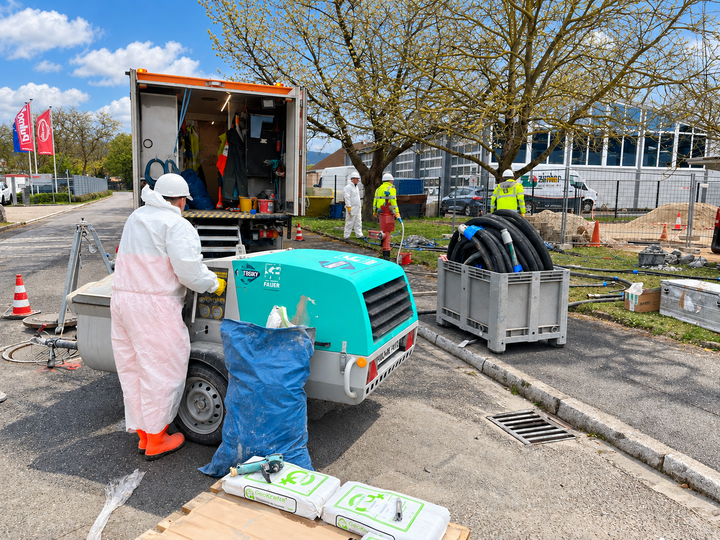
Mülheim: Sustainable large-profile rehabilitation with GeoKrete®
Freilassing
-
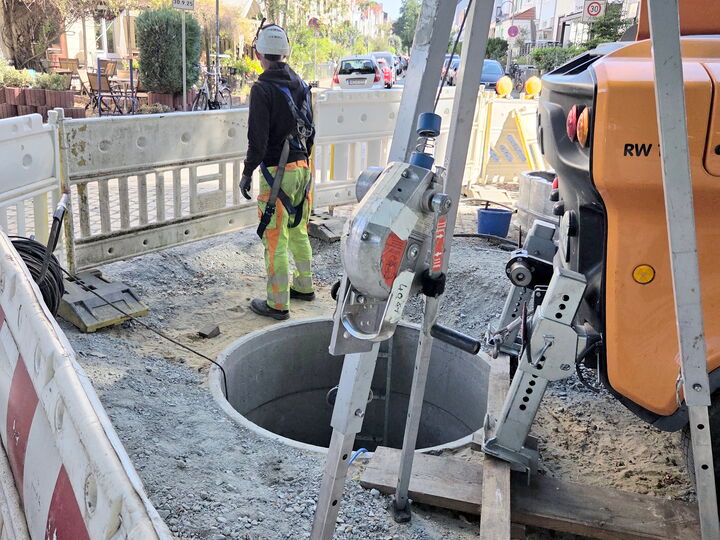
Bremen: Combined sewer in egg-profile renovated with UV liner
Blomberg / Hamburg / Hamburg Head Office
-
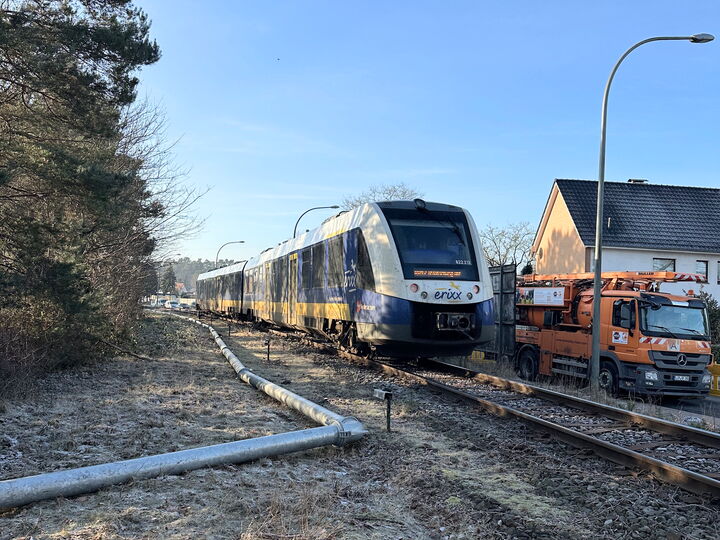
Gifhorn: Premiere in the railway environment of Deutsche Bahn
Blomberg
-
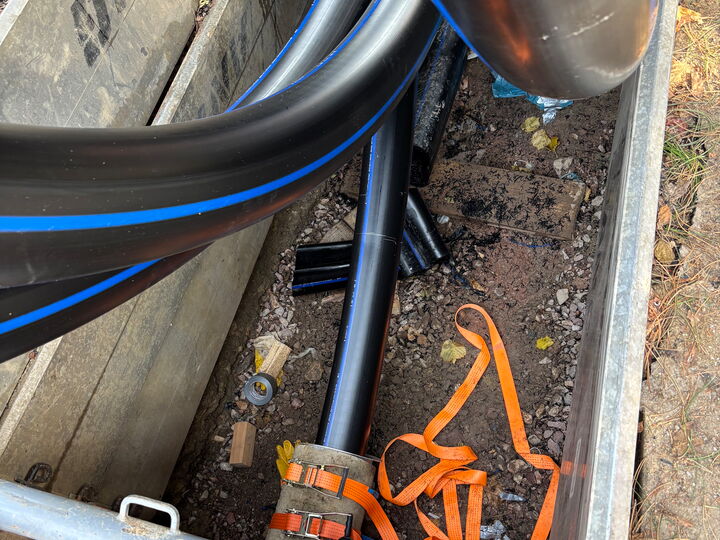
Bodenheim: Close-fit method secures drinking water transport pipeline
Alzey / Hörsching
-
Staßfurt: Sustainable coating of a brine tank
Nuremberg
-
Oberaudorf: Concrete rehabilitation of the Röthenbach stream culvert
Freilassing
-
Tegernsee Brewery: Trenchless manhole rehabilitation with polyurea
Freilassing / Nuremberg
-
Power plant pipelines: Tailor-made solutions
Hörsching
-
Germering: Sustainable pipe rehabilitation reduces energy demand in wastewater treatment plants
Freilassing
-
Herrenmühle Aulendorf: Pressure pipeline sustainably rehabilitated
Hörsching / Landsberg
-
Altrip: Trenchless rehabilitation secures flood protection at the pumping station
Alzey
-
Flensburg: Wound pipe technology in use beneath a former landfill
Hamburg / Leipzig
-
Wermelskirchen: Liner pipe technology shows strengths in combined rehabilitation
Alzey / Leipzig
-
RHV Mittleres Rodltal: Mouth profile rehabilitated with UV pipe liner
Hörsching
-
Neuss: Sewer rehabilitation in large dimensions DN 1200–1500
Blomberg
-
Freyburg relies on SPR-EX wound pipe technology
Hamburg / Leipzig