Freilassing / Nuremberg
Building rehabilitation
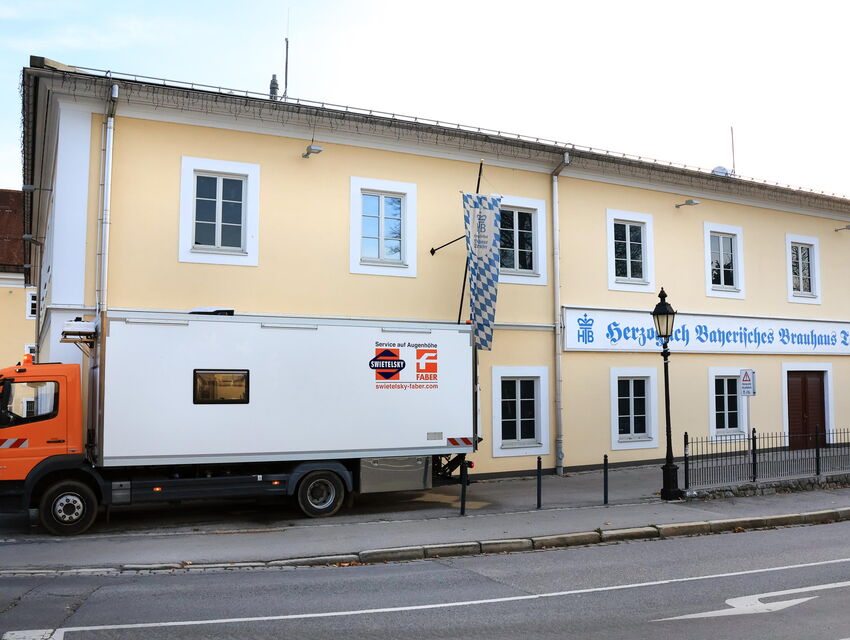
Trenchless shaft rehabilitation at the Tegernsee brewery minimizes environmental impacts and maximizes the preservation of the structure
Source: Swietelsky-Faber GmbH
Author: Dipl.-Ing. (FH) Johann Tiefenthaler, site manager at Swietelsky Faber GmbH (GB South)
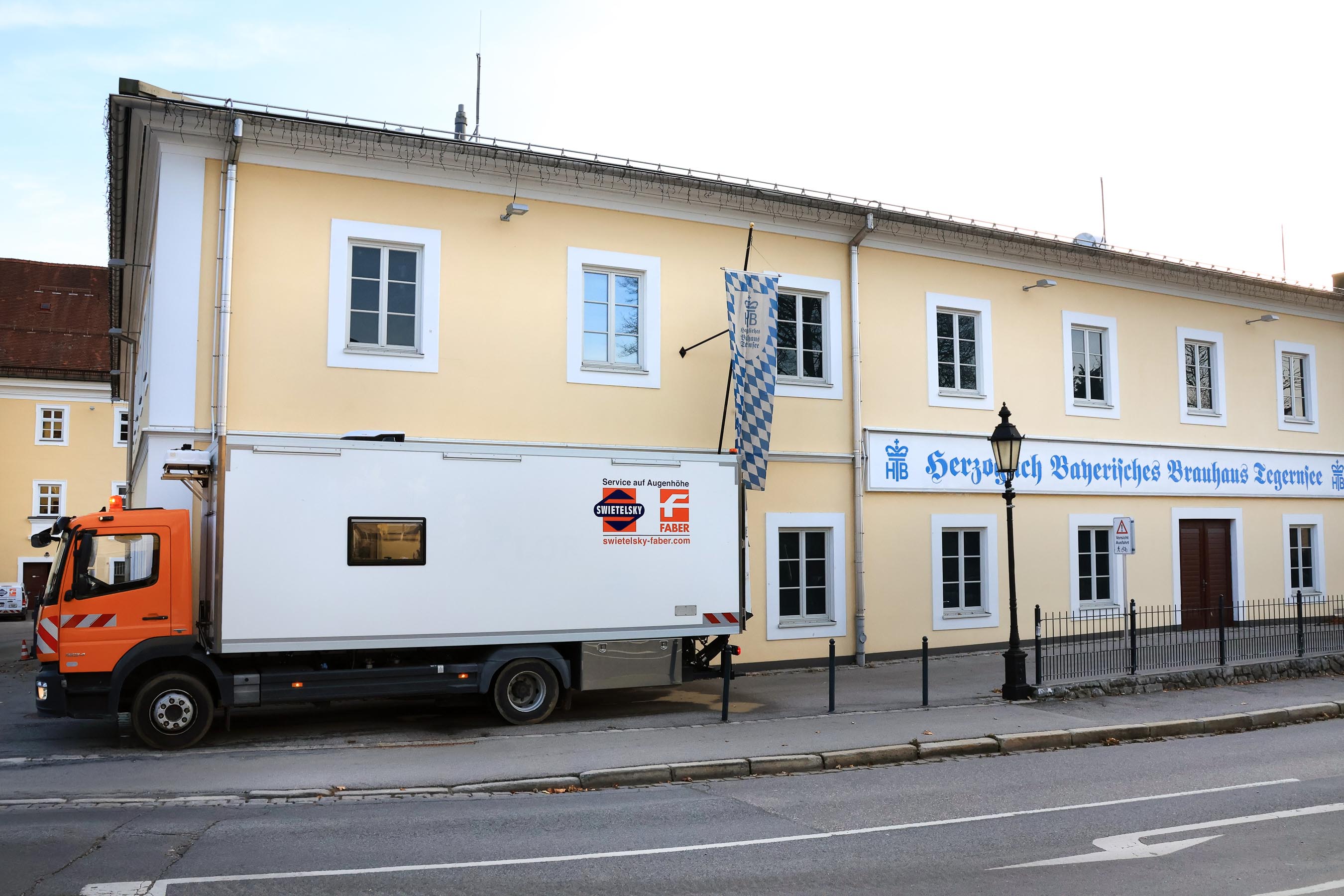
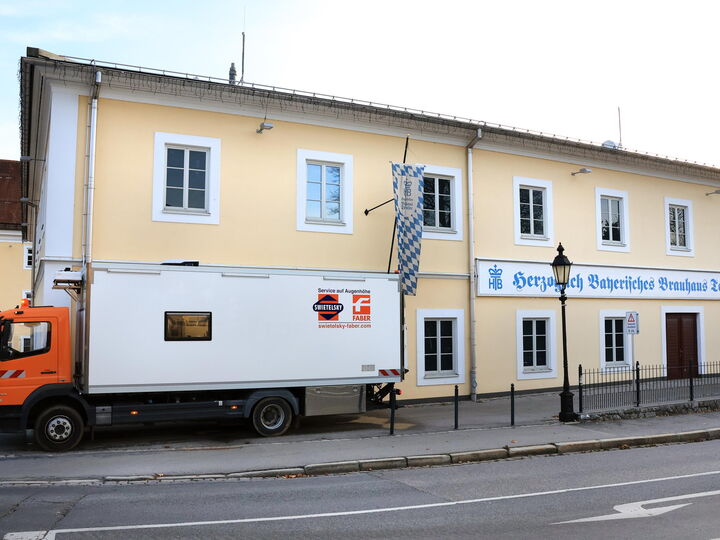
Trenchless rehabilitation of wastewater manholes makes a significant contribution to climate and soil protection: it reduces infiltration water, minimises interventions in the subsurface, and extends the service life of critical infrastructure structures. A current example of this is the rehabilitation of the wastewater manholes on the premises of the Tegernsee Brewery – a long-established site in the immediate vicinity of the lake. The measure protects the surrounding soil, the groundwater, and Lake Tegernsee itself from possible pollutant inputs.
Initial situation: High chemical and thermal loads
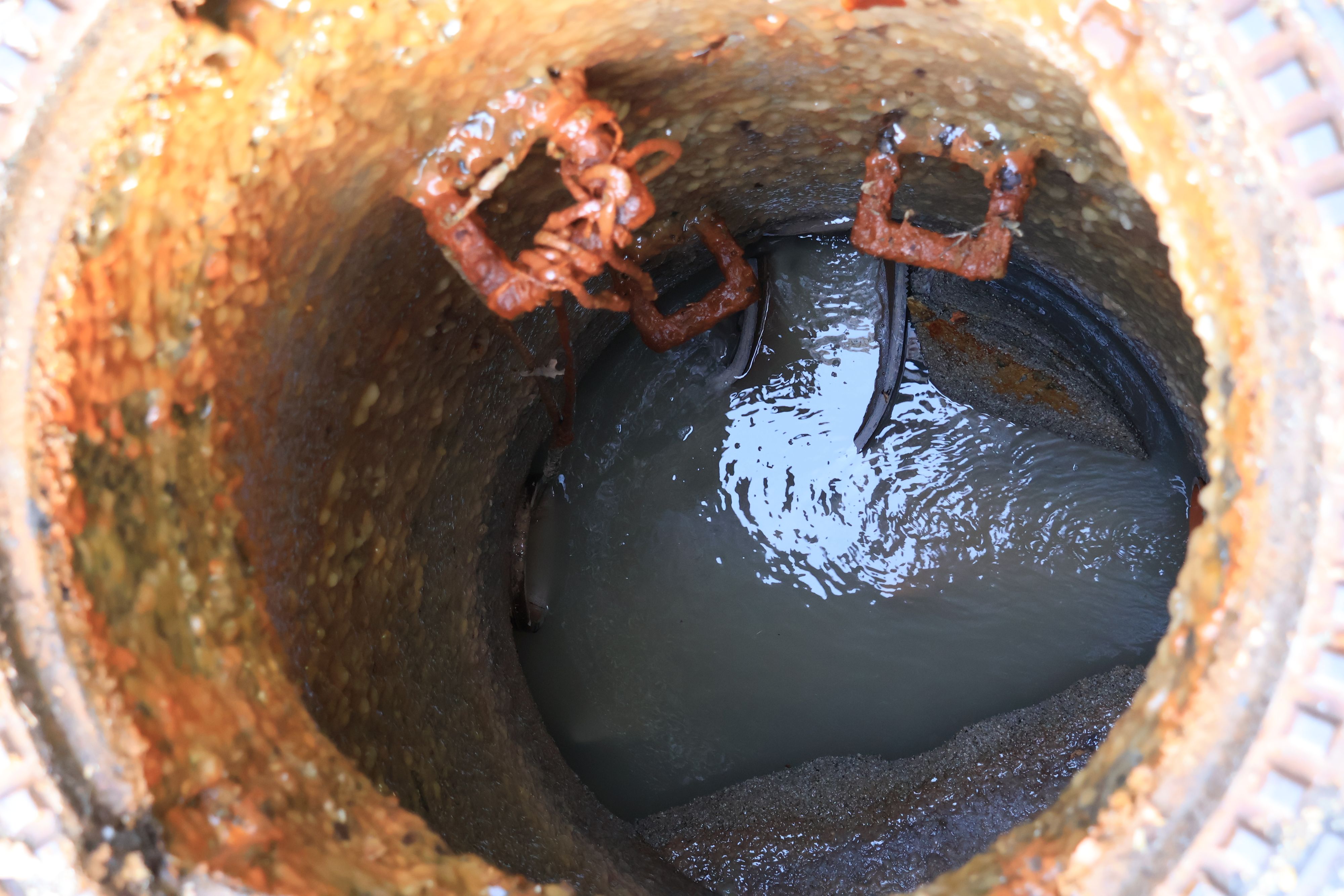
Already in 2022, the brewery commissioned Swietelsky-Faber GmbH to develop a suitable rehabilitation strategy for its standard concrete shafts, which were only eight years old. A condition inspection revealed significant wear and tear:
- Dissolved cement grouting at pipe connections and the stoneware half-shell, in some cases with exposure to the soil
- Material attack by biogenic sulfuric acid
- Thermal peak loads of up to 120 °C
- Strongly fluctuating media with high concentrations (including HCl up to 10%, NaOH up to 40%)
These extremely demanding operating conditions required an exceptionally resistant rehabilitation system.
Material evaluation: From GRP laminates to polyurea
First, GRP hand lay-up systems based on vinyl ester resin as well as mineral XWW-4 mortars were tested. However, a six-month practical test in the wastewater system showed clear deficiencies:
- Concrete cores exceeded limit values for chloride and sulfate resistance
- The VE laminate showed optical structural damage
As a result, nine additional manufacturers and system providers were evaluated. Finally, Polyurea from the manufacturer OBIC proved to be a promising solution. To verify long-term resistance under real operating conditions, test specimens were stored in the wastewater system over a period of ten weeks.
The comparison of target and actual samples, by the testing institute SBKS, using Shore hardness measurement, produced identical values - an indication that the material had neither aged nor been affected mechanically or chemically. This meant that the suitable system had been identified by the end of 2024.
Renovation during ongoing operations: OBIC coating system impresses
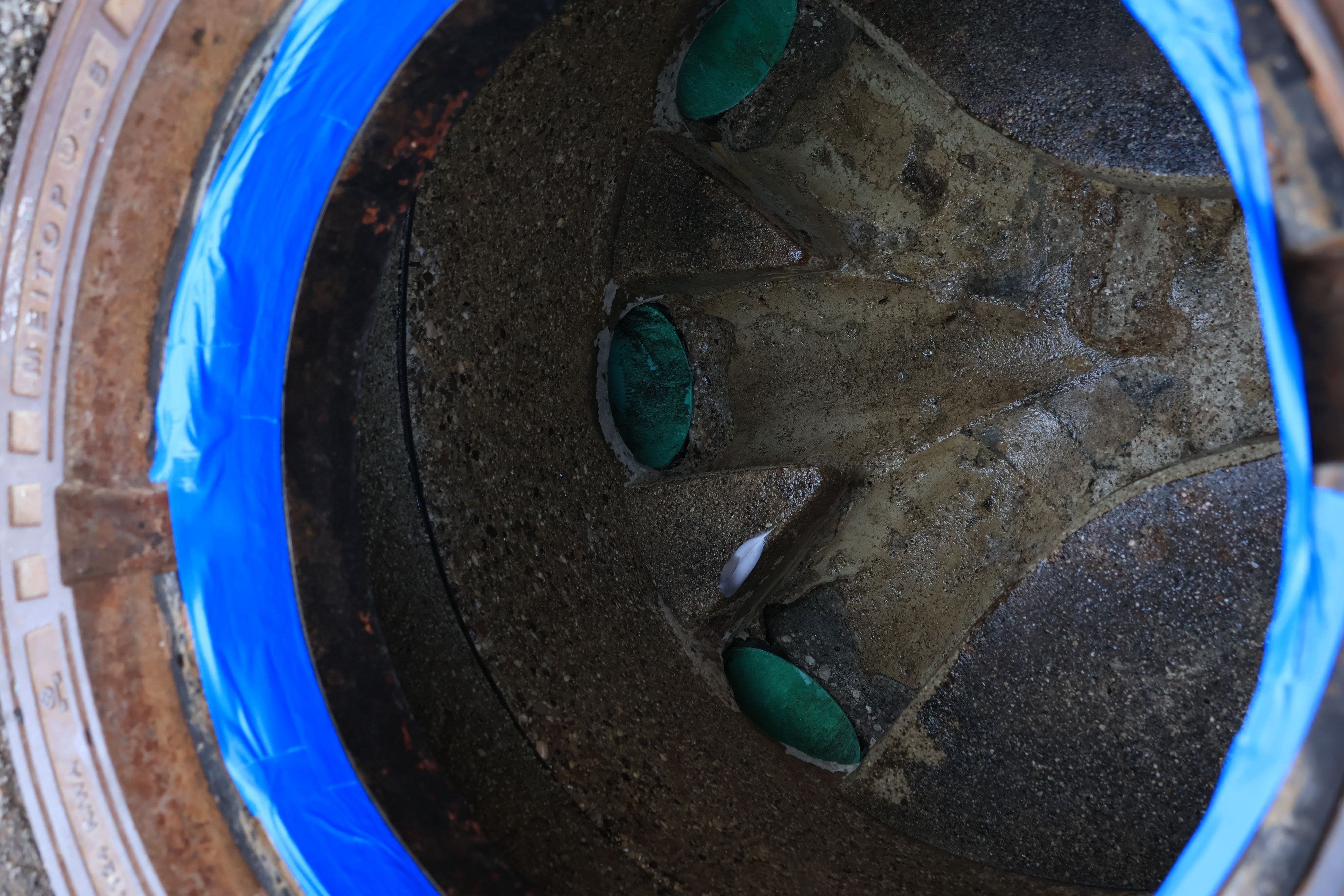
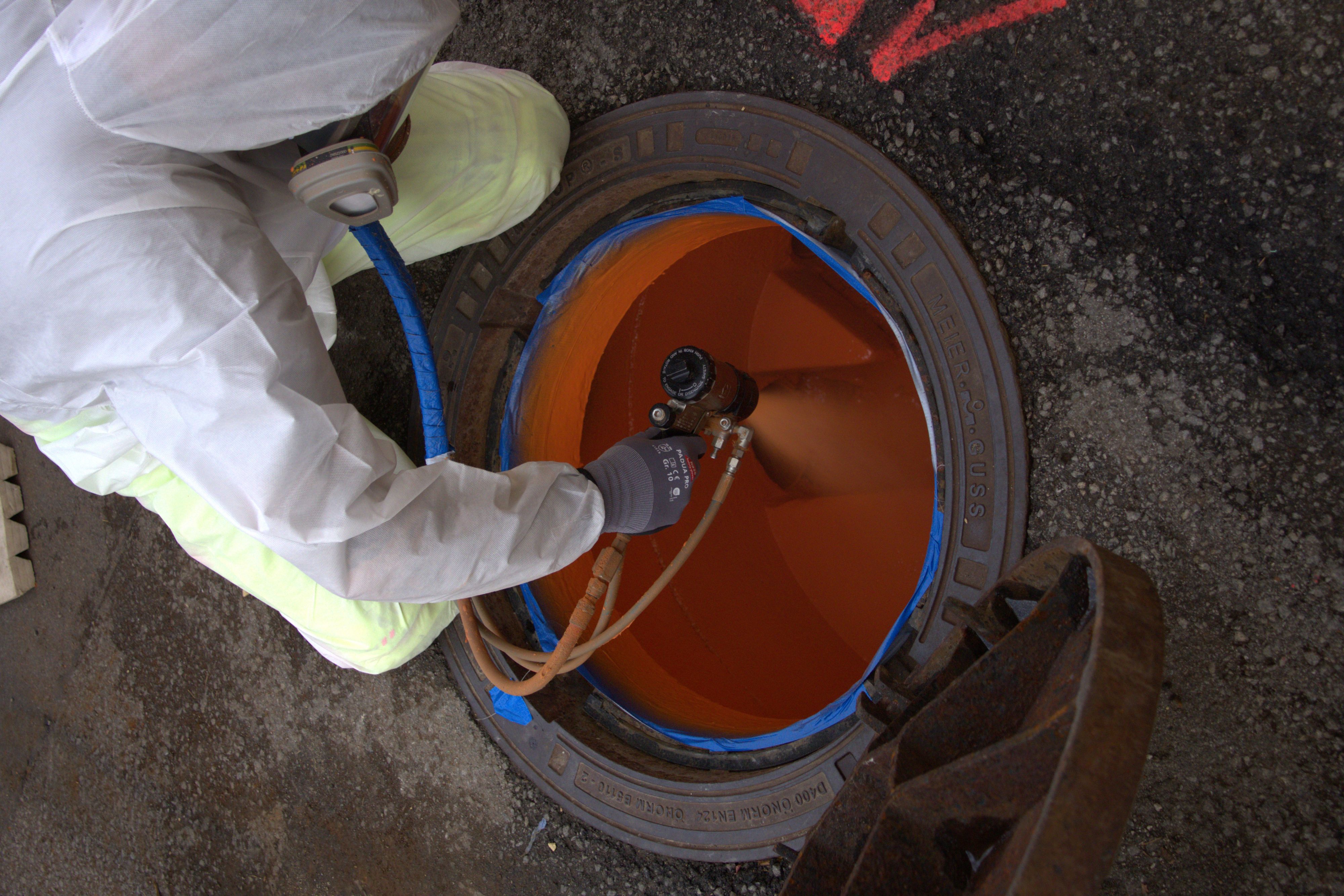
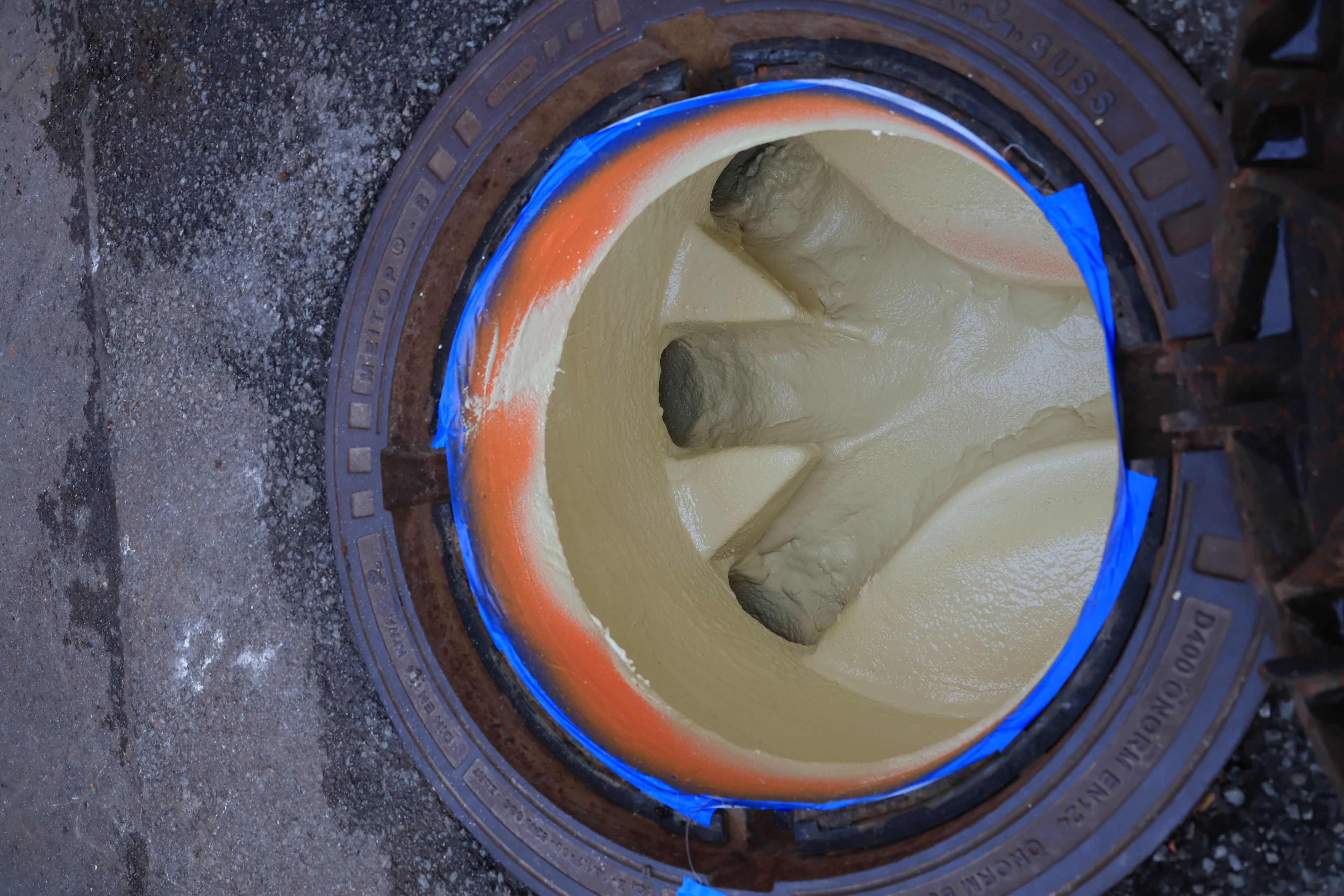
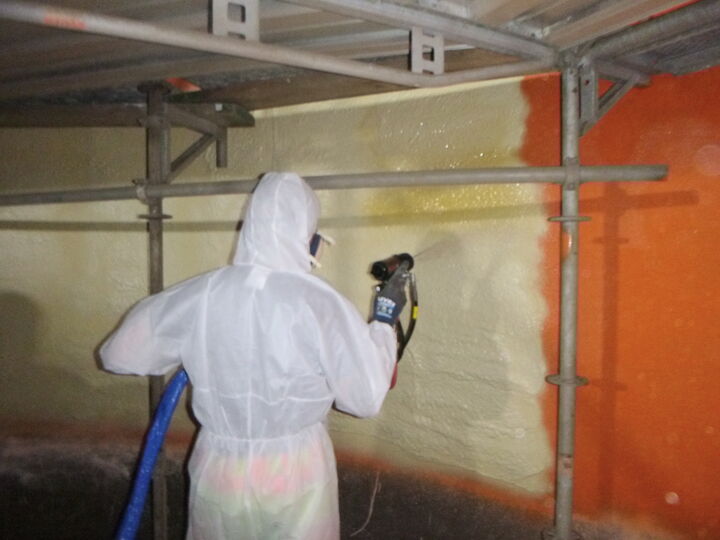
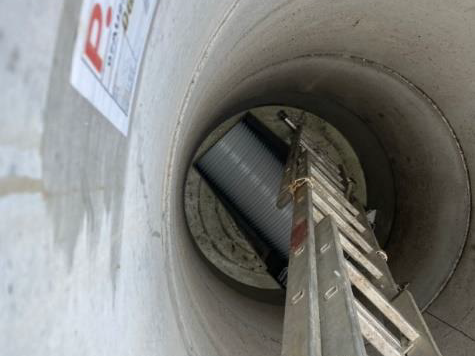
The renovation took place in November 2025 during a production reduction phase. After high-pressure water cleaning, removal of the climbing irons and complete removal of the partially damaged stoneware half-shells, the shaft structures were degreased and prepared with a primer.
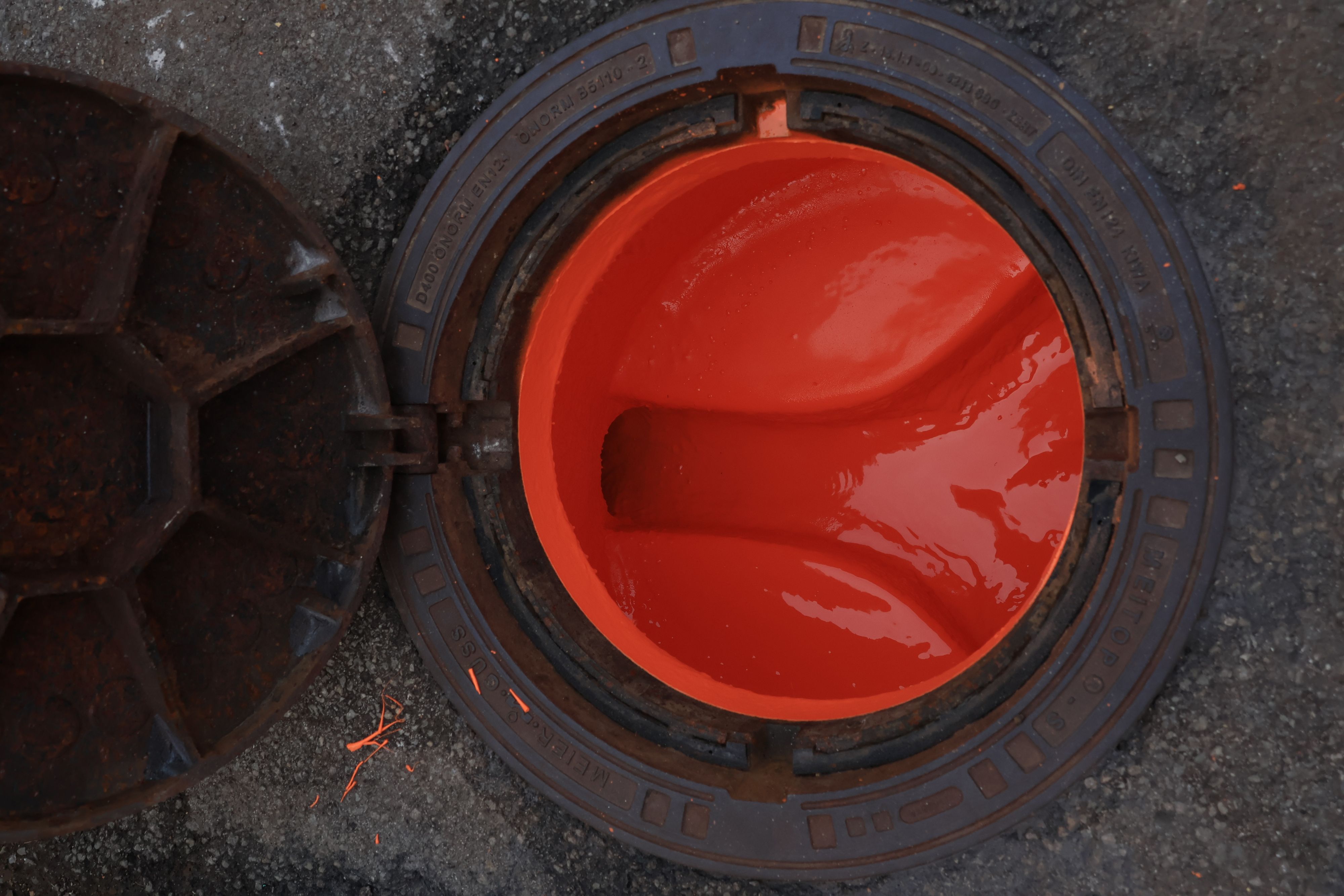
The three-layer OBIC coating system was applied as follows:
- OBIC 1000 (approx. 1.25 mm)
Basic sealing and adhesion bridge for the foam system - OBIC 1306 polyurethane foam (≥ 15 mm)
- Compensation of defects and porosity
- Improvement of impact and abrasion resistance
- High crack-bridging capability
- Creation of a load-bearing sandwich structure with inherent annular stiffness
- OBIC 1000 (approx. 2.5 mm)
Seamless, elastic, chemically resistant top layer with high abrasion and media resistance
Thanks to the extremely rapid curing of the polyurea - around 30 seconds per partial area - downtime was minimized. The total time required per shaft was around three hours, so production could continue largely without interruption.
Project conclusion: high quality, cost efficiency and climate effects
Site manager Johann Tiefenthaler emphasizes the special challenge: „The tight schedule and the necessary focus on precision despite time pressure require an experienced team as well as close technical support from the material manufacturer.“
Swietelsky-Faber is the only company in Germany exclusively certified for the use of OBIC technology - an advantage that is directly reflected in quality and efficiency.
Key project results:
- Significantly lower costs compared with prefabricated plastic shaft construction
- No required civil engineering work, therefore no excavation
- Sustainable contribution to environmental and climate protection through avoidance of open construction methods
- High resistance of the polyurea to extreme temperature and media loads
- Minimal operational interruption thanks to fast reaction and curing times
- Comparable service life under high demands compared with alternative designs
Swietelsky-Faber would like to thank Brauerei Tegernsee and the company OBIC for the professional and cooperative collaboration. The project serves as an example of how modern polyurea systems represent a durable, economical, and environmentally friendly alternative to conventional rehabilitation.
.jpg)
More projects
-
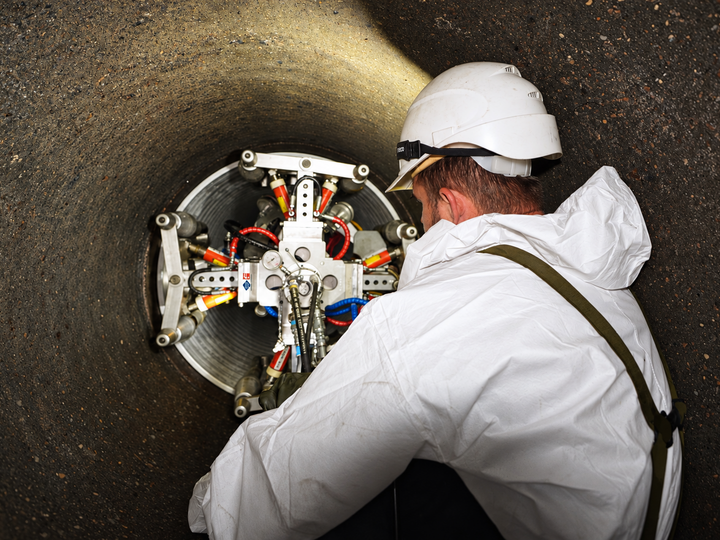
Leipzig / Stuttgart
-
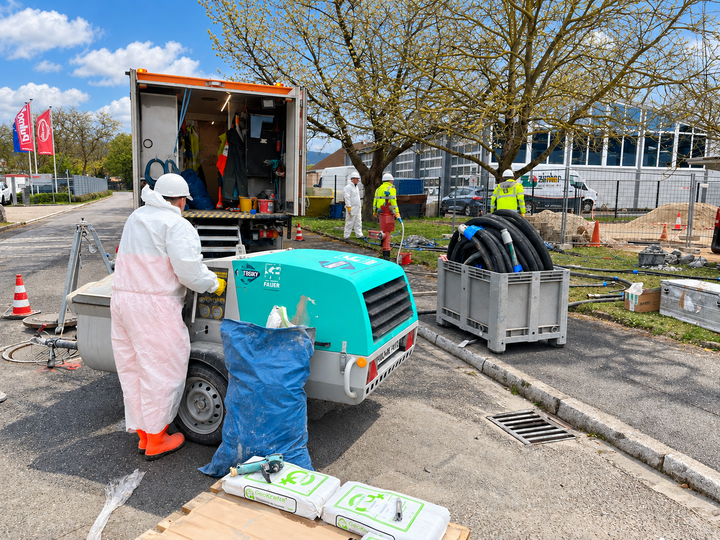
Mülheim: Sustainable large-profile rehabilitation with GeoKrete®
Freilassing
-
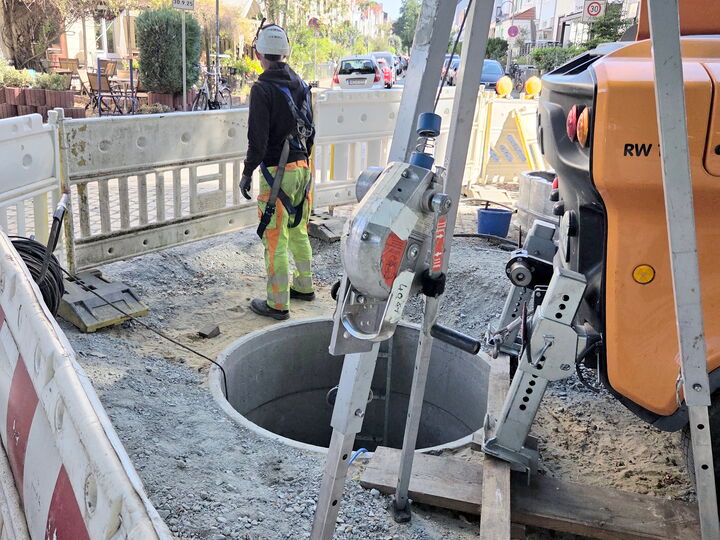
Bremen: Combined sewer in egg-profile renovated with UV liner
Blomberg / Hamburg / Hamburg Head Office
-
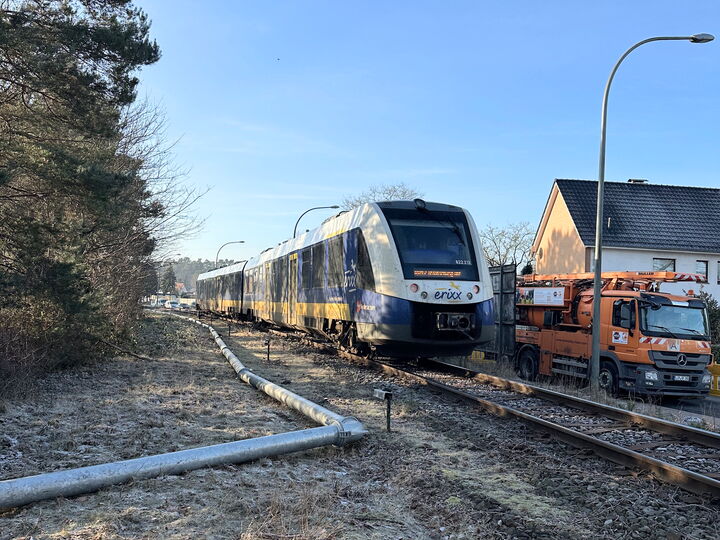
Gifhorn: Premiere in the railway environment of Deutsche Bahn
Blomberg
-
Bodenheim: Close-fit method secures drinking water transport pipeline
Alzey / Hörsching
-
Staßfurt: Sustainable coating of a brine tank
Nuremberg
-
Oberaudorf: Concrete rehabilitation of the Röthenbach stream culvert
Freilassing
-
Tegernsee Brewery: Trenchless manhole rehabilitation with polyurea
Freilassing / Nuremberg
-
Power plant pipelines: Tailor-made solutions
Hörsching
-
Germering: Sustainable pipe rehabilitation reduces energy demand in wastewater treatment plants
Freilassing
-
Herrenmühle Aulendorf: Pressure pipeline sustainably rehabilitated
Hörsching / Landsberg
-
Altrip: Trenchless rehabilitation secures flood protection at the pumping station
Alzey
-
Flensburg: Wound pipe technology in use beneath a former landfill
Hamburg / Leipzig
-
Wermelskirchen: Liner pipe technology shows strengths in combined rehabilitation
Alzey / Leipzig
-
RHV Mittleres Rodltal: Mouth profile rehabilitated with UV pipe liner
Hörsching
-
Neuss: Sewer rehabilitation in large dimensions DN 1200–1500
Blomberg
-
Freyburg relies on SPR-EX wound pipe technology
Hamburg / Leipzig