Alzey / Leipzig
Pipe rehabilitation
Innovative technologies in pipe rehabilitation – two proven methods are establishing themselves as an unbeatable duo: cured-in-place pipe lining and spiral wound pipe technology.
In a time when efficiency, sustainability, and gentle interventions are central requirements in the construction and renovation industry, the combination of these methods opens up innovative and tailored solutions for a wide range of challenges.
Project Wermelskirchen – A Masterpiece of Diversity
In the Wermelskirchen redevelopment area, a total of 20,758 meters of sewer were the focus. Particularly impressive: over 8,000 meters were rehabilitated, including 3,350 meters using the spiral wound pipe method (DN 200 to DN 600). A further 4,650 meters were rehabilitated using sliplining technology (DN 200 to 700), including special profiles such as Ei 700/1050.
Challenges and Solutions:
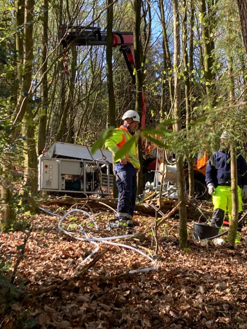
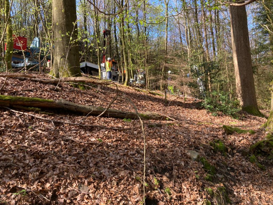
The highly fragmented rehabilitation area required precise planning and the use of different technologies. About 40% of the sections in need of rehabilitation ran through private gardens or sensitive conservation areas such as slopes or forests — made more difficult by changeable weather conditions. Under these conditions, the spiral pipe technology can fully demonstrate its strengths and additional application possibilities thanks to its flexible application options.
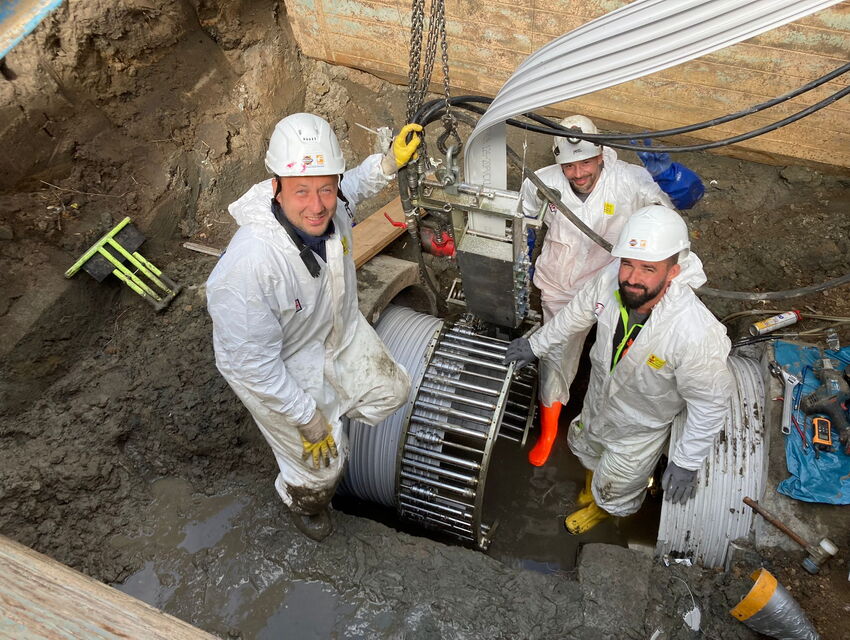
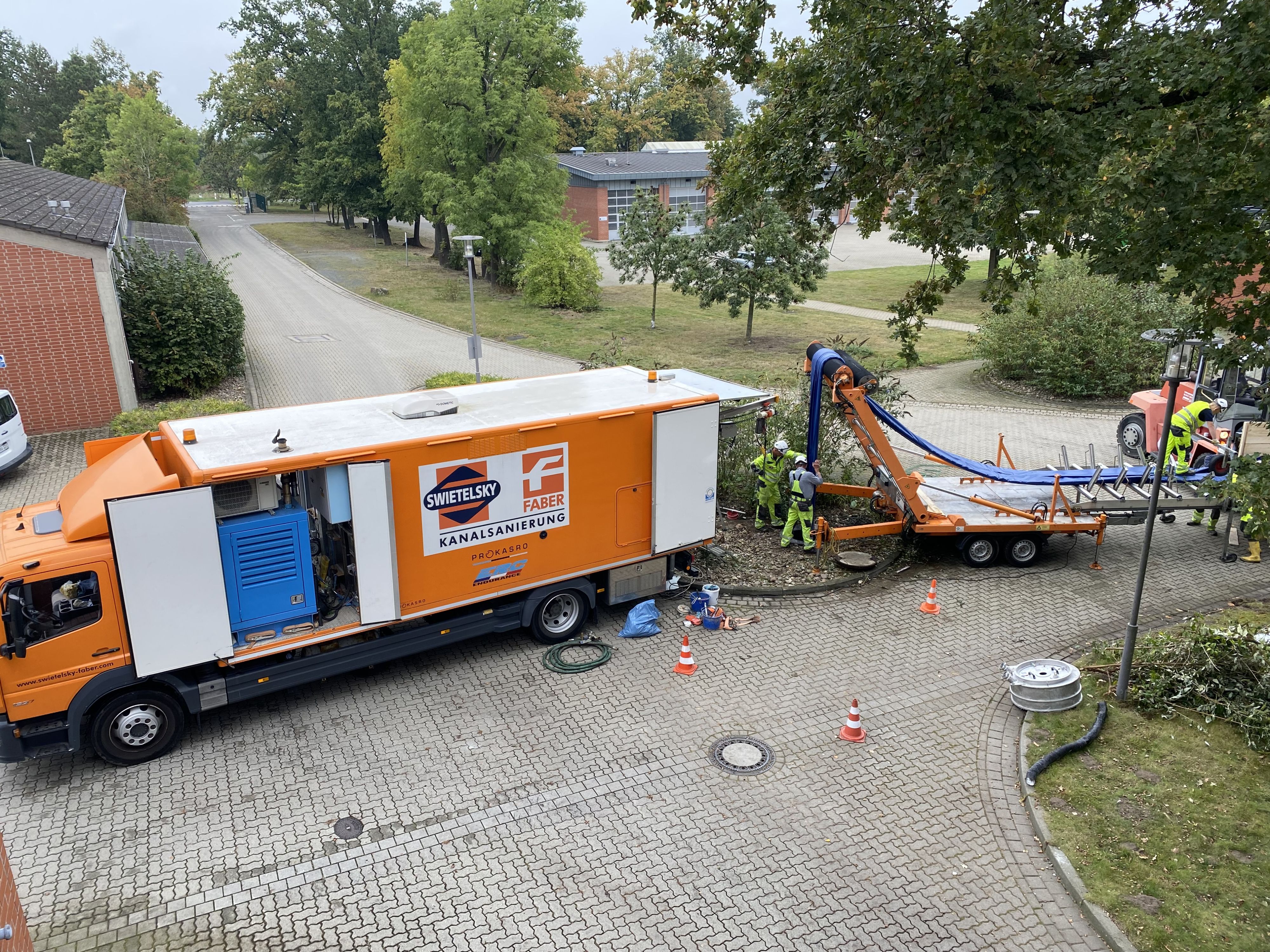
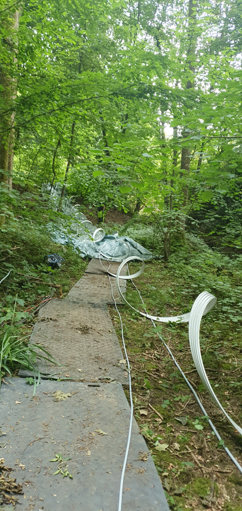
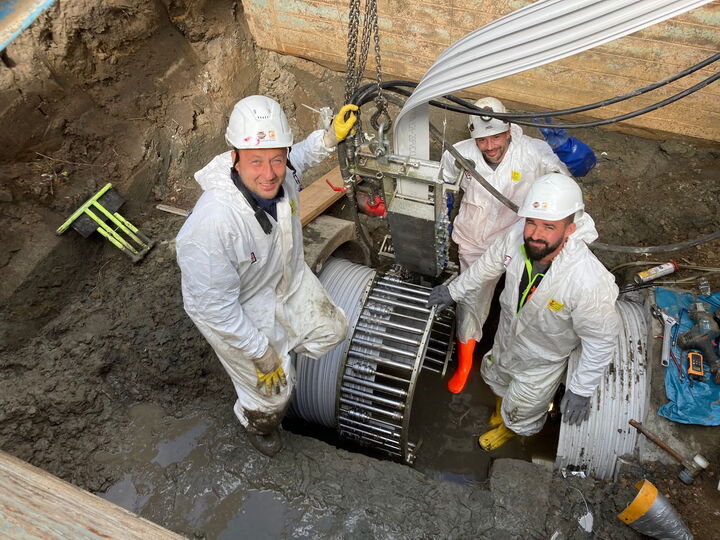
Due to local conditions, it was not possible in many areas to carry out the renovation work directly from the shafts, so the winding pipe was used at these points. The flexible design of winding pipe technology makes it possible to bring the necessary equipment individually to the shafts or to set it up as far away from the installation shafts as possible. This offers significant operational advantages for rehabilitation in hard-to-reach areas.
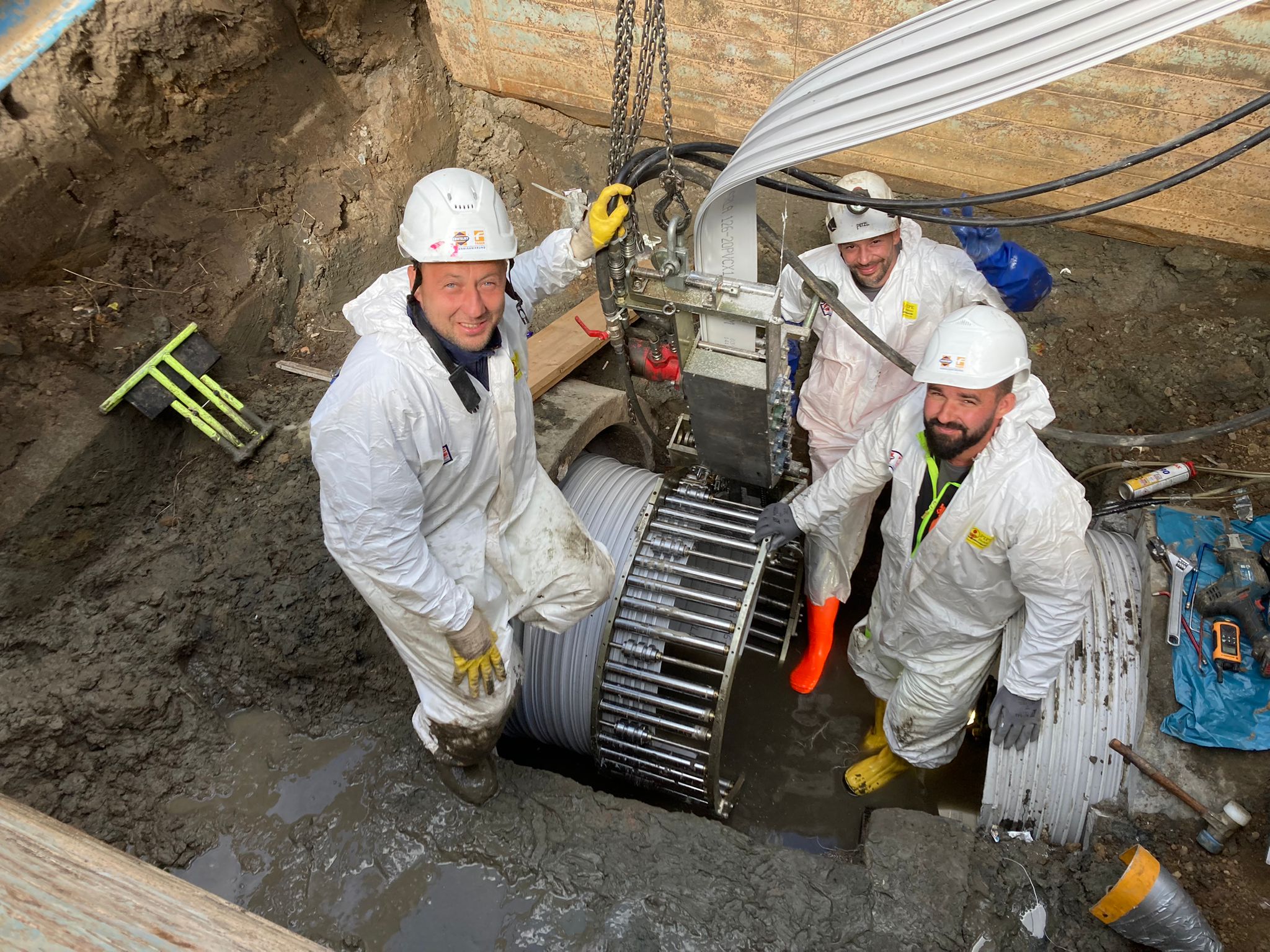
After positioning the installation technology, the winding machine is lowered into the shaft and positioned directly in front of the pipe. The distance over which the PVC winding profile is fed can also be designed very flexibly. During the installation of the profile, the pull wire is simultaneously carried along; after the profile has reached the receiving shaft and been fixed in place, it is pulled back again. In the process, the so-called secondary lock is cut open, which makes it possible for the winding profile to conform close-fit to the old sewer wall with further material feed.
With this process, hard-to-access sections of the sewer can be rehabilitated in the shortest possible time with manageable effort. In addition, when installing the wrap pipe, it is quite desirable that water continues to flow in the sewer. The effort required for wastewater diversion measures can thus also be reduced.
In addition, 621 manholes were successfully rehabilitated and around 12,400 metres were treated using spot repair techniques. Here too, creative solutions had to be found for accessibility and the necessary techniques. For access in the partly difficult-to-reach forest areas under nature protection, several Unimogs and tractors were specially deployed. The sewer rehabilitation technology was then provisionally mounted on these.
Project Braunschweig – Large-Scale Solutions
In Braunschweig, the focus was on the rehabilitation of a DN 1000 sewer system. Using cured-in-place pipe liners from the company RelineEurope, a total of 4,000 metres was successfully rehabilitated. The longest installation measured an impressive 191 metres. In addition, wound pipe technology was used for 150 metres of pipeline.
With our offer to carry out the work using spiral wound pipe technology, we have submitted a special proposal that makes it possible to complete the rehabilitation with reduced material, time, and equipment effort. This technology is extremely effective and has been proven over many years. It allows the renovation of all profile types from DN 200 to DN 5500.
Taking into account the local conditions and the existing time requirements imposed by the traffic authorities, we wanted to find a solution favorable to the client and decided on the SPR EX process. The rehabilitation work could be completed within a tight timeframe.
Leipzig shows what it can do!
Both projects were successfully implemented by our Swietelsky-Faber Leipzig branch. The diversity of the technologies used and the high precision in execution underline the exceptional skill and commitment of our Leipzig team. We would like to express our sincere thanks for the excellent work and the great implementation – excellently done!
Technology in Synergy: Cured-in-Place Pipe and Spiral Wound Pipe
While the cured-in-place pipe impresses with its flexibility, the spiral wound pipe technology stands out for its adaptability in dimensions from DN 200 to 5,500, especially in large special profiles and heavily damaged channels. Both methods have one thing in common: they are sustainable, economical, and can be used with almost no surface excavation. These properties make them the optimal solution for complex rehabilitation projects.
Conclusion: Efficiency Meets Sustainability
The combination of cured-in-place pipe lining and spiral wound pipe technology sets new standards in trenchless pipe rehabilitation. Projects such as Wermelskirchen and Braunschweig show that even the most demanding challenges can be mastered with innovative methods - economically, in an environmentally friendly manner, and with minimal impact on residents and nature.
More projects
-
Leipzig / Stuttgart
-
Mülheim: Sustainable large-profile rehabilitation with GeoKrete®
Freilassing
-
Bremen: Combined sewer in egg-profile renovated with UV liner
Blomberg / Hamburg / Hamburg Head Office
-
Gifhorn: Premiere in the railway environment of Deutsche Bahn
Blomberg
-
Bodenheim: Close-fit method secures drinking water transport pipeline
Alzey / Hörsching
-
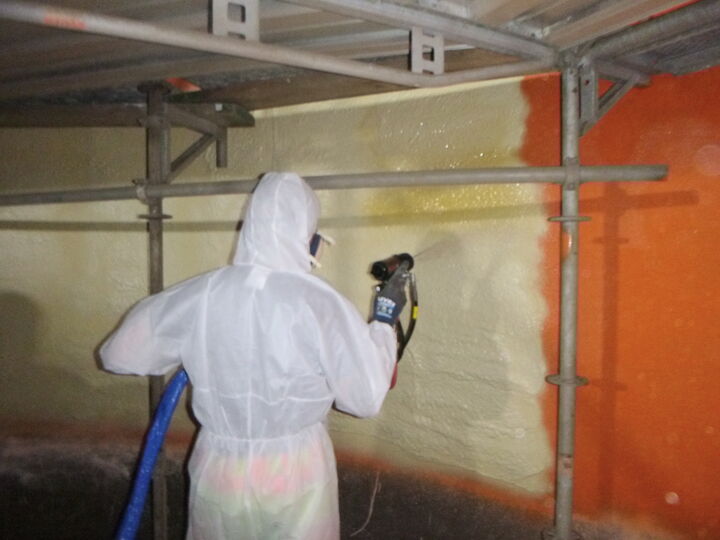
Staßfurt: Sustainable coating of a brine tank
Nuremberg
-
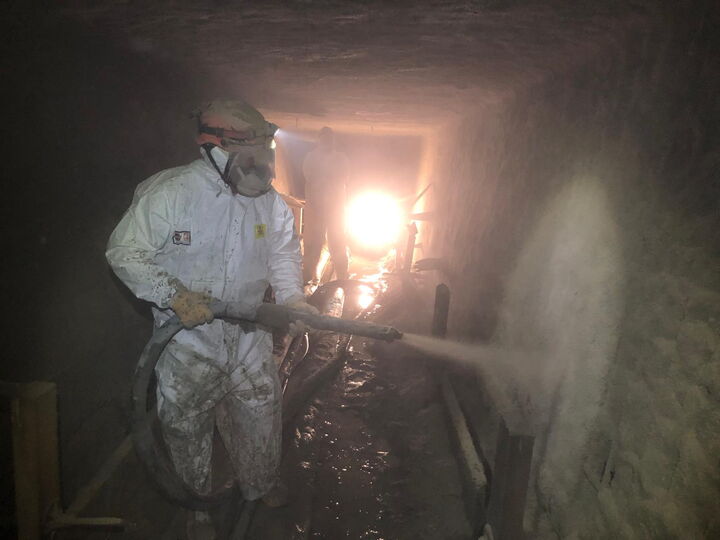
Oberaudorf: Concrete rehabilitation of the Röthenbach stream culvert
Freilassing
-
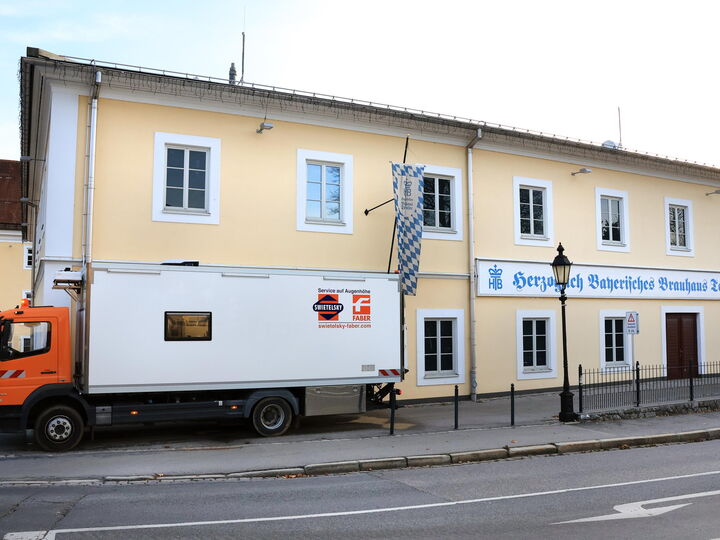
Tegernsee Brewery: Trenchless manhole rehabilitation with polyurea
Freilassing / Nuremberg
-
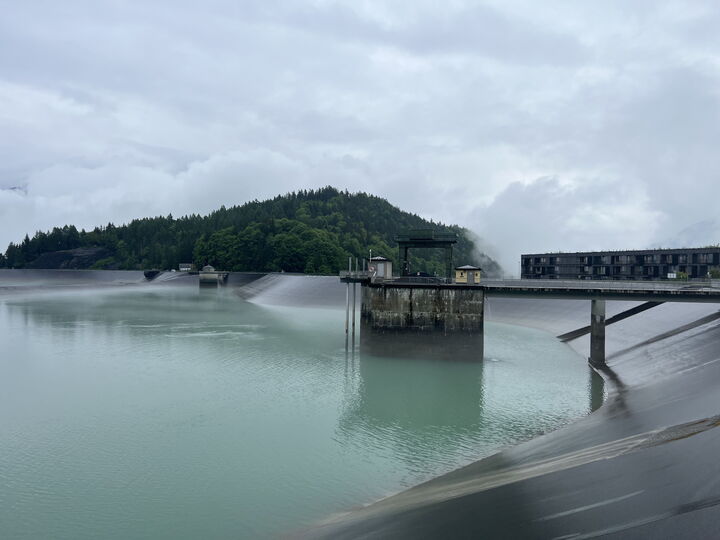
Power plant pipelines: Tailor-made solutions
Hörsching
-
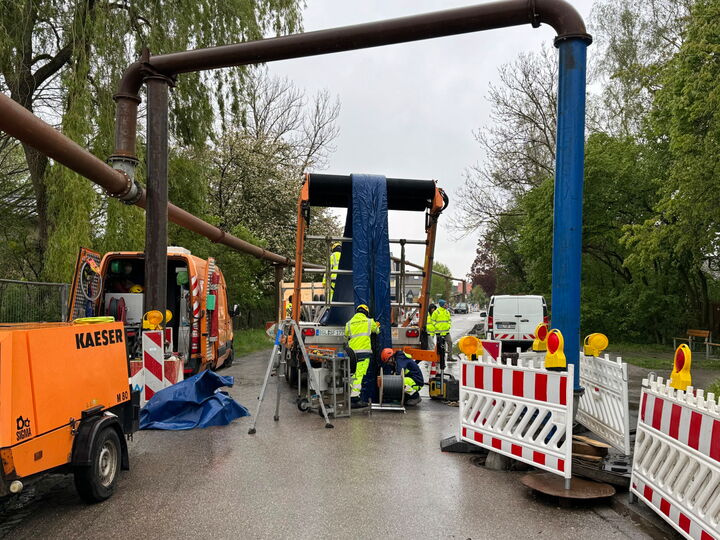
Germering: Sustainable pipe rehabilitation reduces energy demand in wastewater treatment plants
Freilassing
-
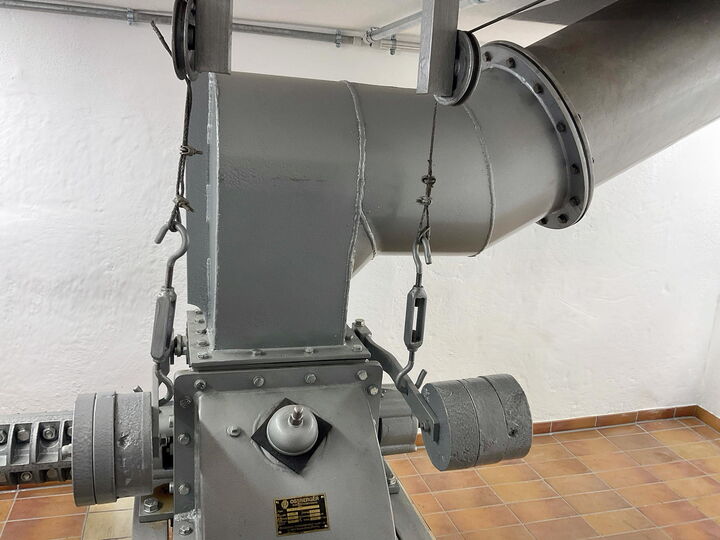
Herrenmühle Aulendorf: Pressure pipeline sustainably rehabilitated
Hörsching / Landsberg
-
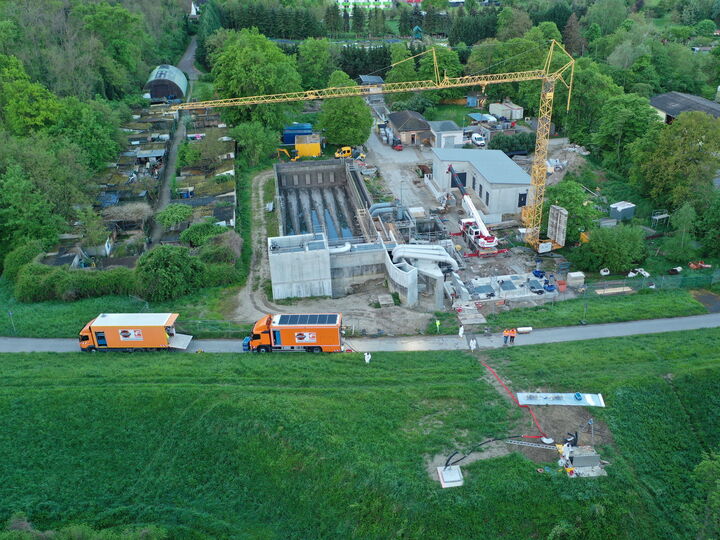
Altrip: Trenchless rehabilitation secures flood protection at the pumping station
Alzey
-
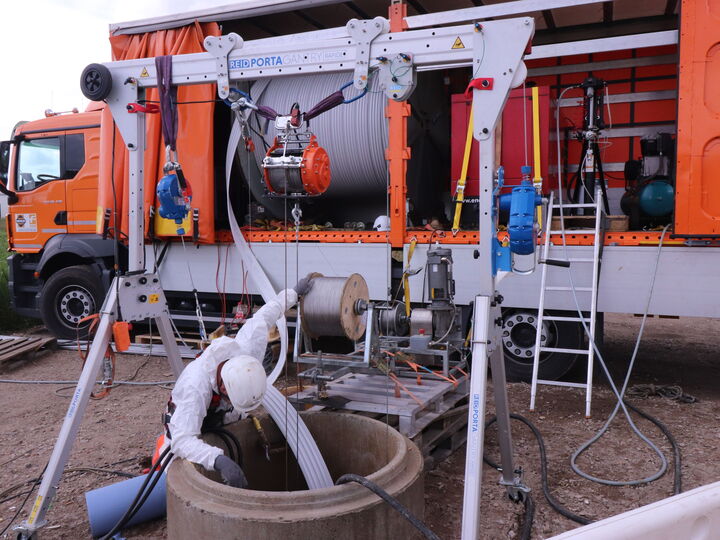
Flensburg: Wound pipe technology in use beneath a former landfill
Hamburg / Leipzig
-
Wermelskirchen: Liner pipe technology shows strengths in combined rehabilitation
Alzey / Leipzig
-
RHV Mittleres Rodltal: Mouth profile rehabilitated with UV pipe liner
Hörsching
-
Neuss: Sewer rehabilitation in large dimensions DN 1200–1500
Blomberg
-
Freyburg relies on SPR-EX wound pipe technology
Hamburg / Leipzig