Hamburg / Leipzig
Pipe rehabilitation
Sustainability is currently an overused term. However, especially in the context of this construction project, it becomes clear how the latest innovations in trenchless rehabilitation methods provide genuine added value for the environment through the preservation of our infrastructure assets. Recently, an ageing stream culvert on a landfill site in the south of Flensburg was rehabilitated without excavation.
Swietelsky-Faber GmbH
Bozo Bozovic, Site Manager & Certified Sewer Rehabilitation Consultant, Hamburg Branch
Thomas Hohrein, Senior Site Manager, Leipzig Branch
Watercourse protection through innovative rehabilitation
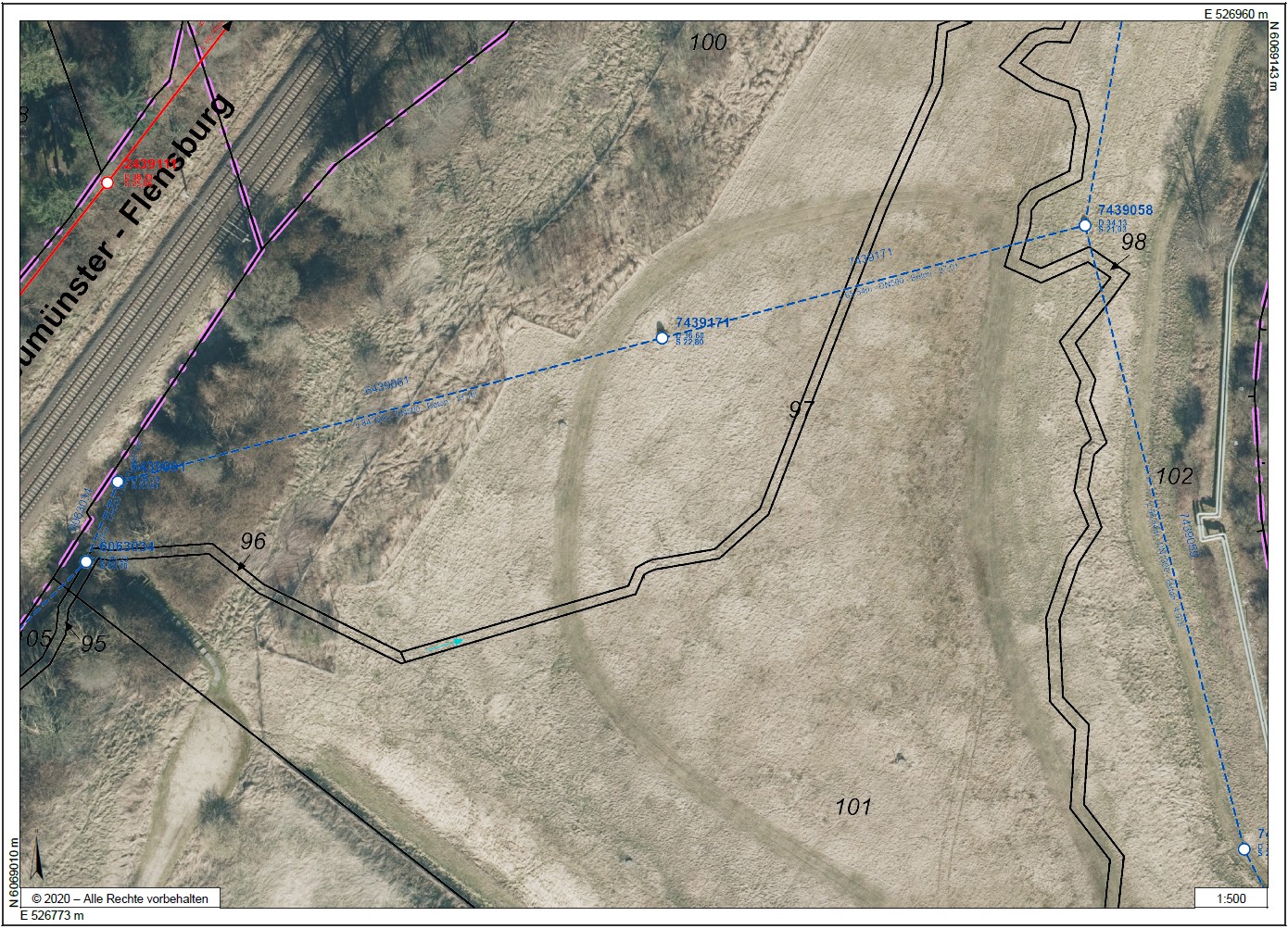
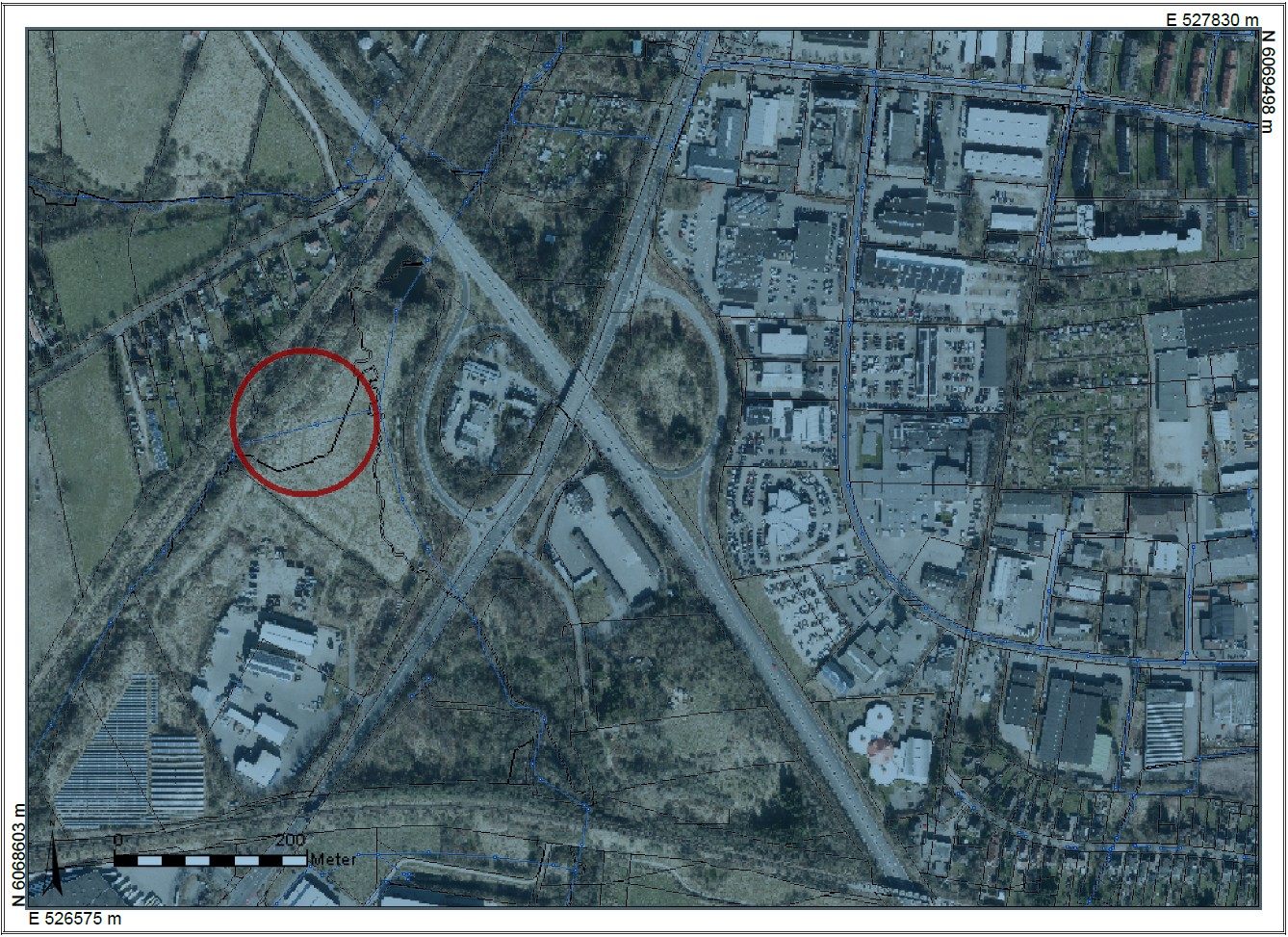
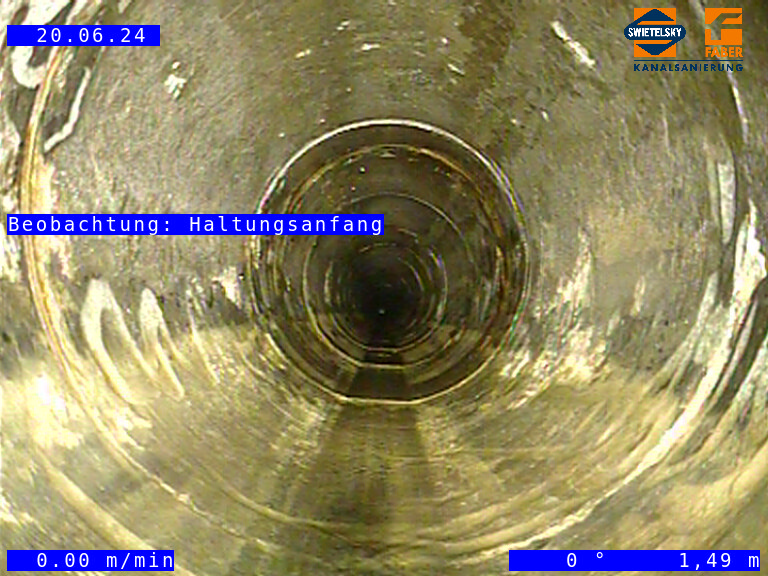
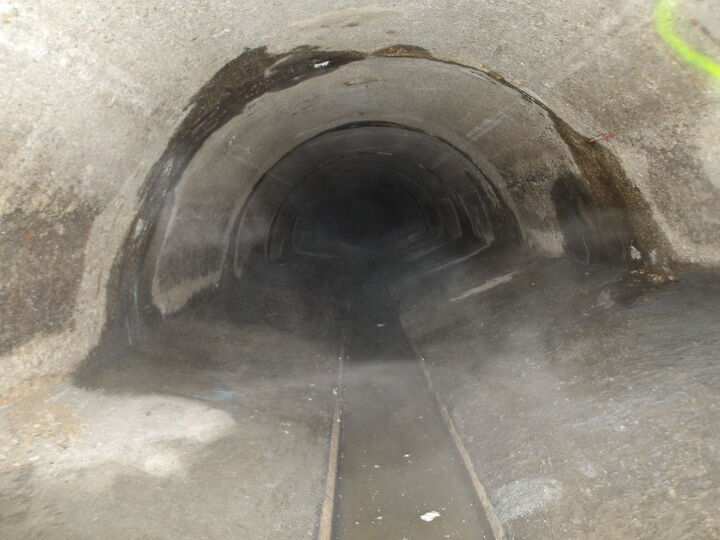
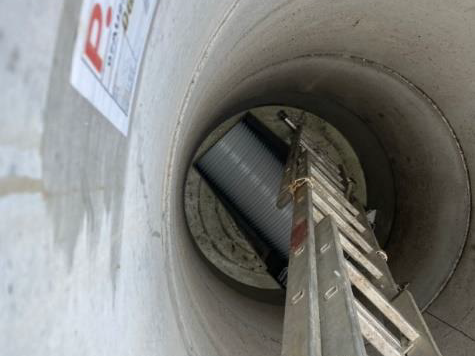
To ensure the ecological function of a flowing watercourse in the long term, it was necessary to rehabilitate a culverted stream section up to 14 meters deep beneath the landfill adjacent to the watercourse (Figure 1). During the condition survey, the existing pipeline showed significant leaks and infiltrating seepage water along its entire length. This led to enormous longitudinal damage and deposits, which additionally strained the hydraulic capacity and structural stability of the culvert.
Resource-efficient rehabilitation method
To restore the hydraulic and structural functionality of the stream culvert, the Hamburg and Leipzig branches of Swietelsky-Faber developed a tailored rehabilitation concept.
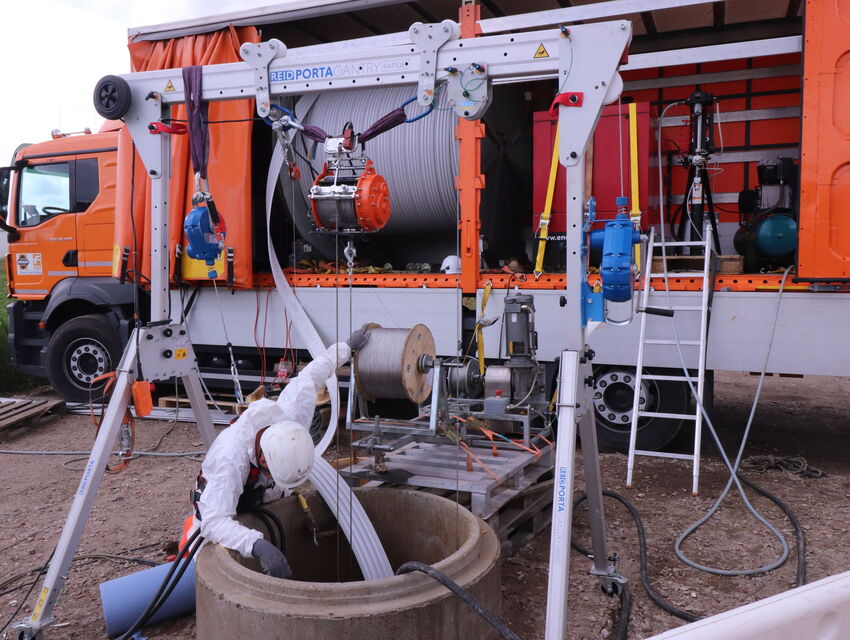
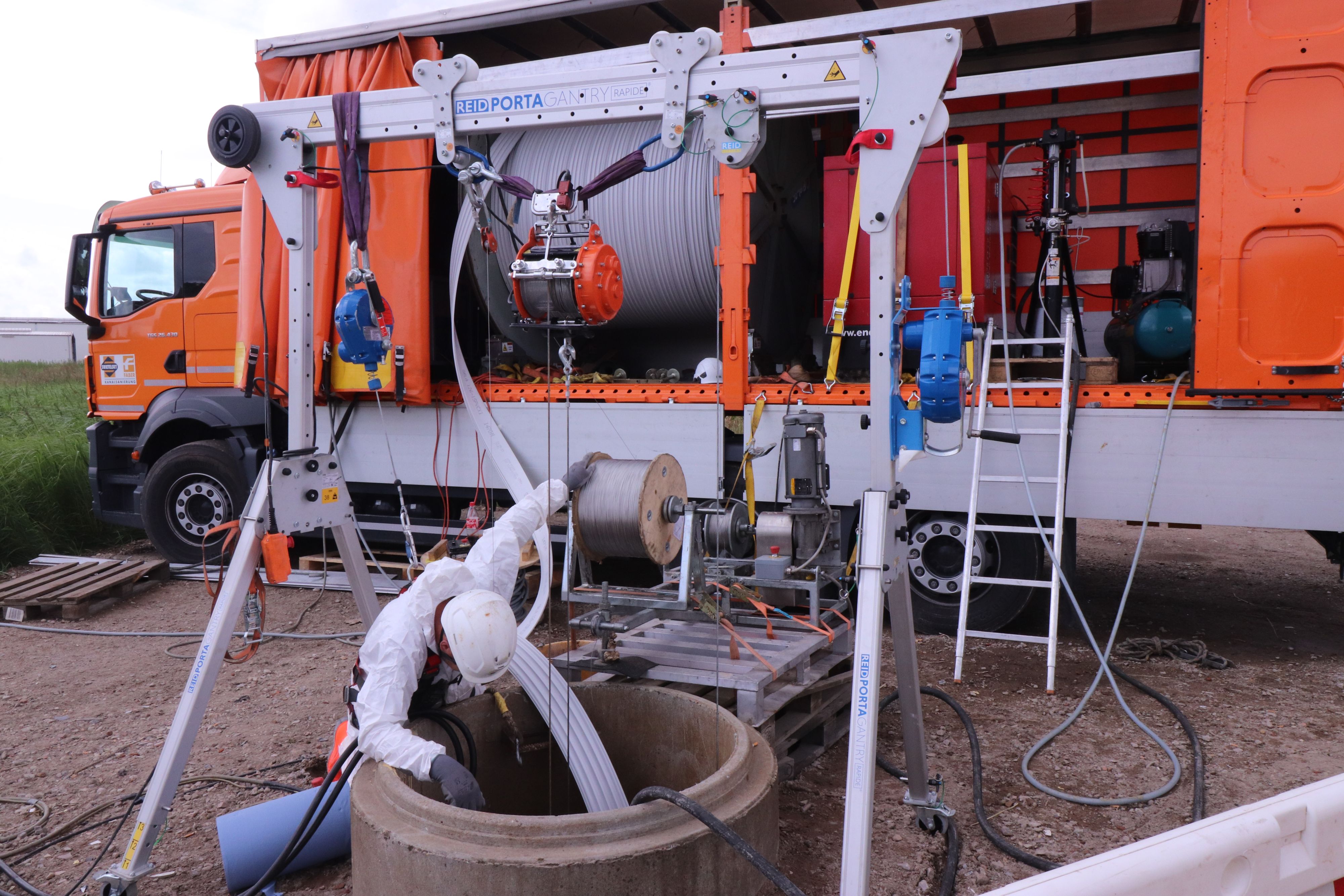
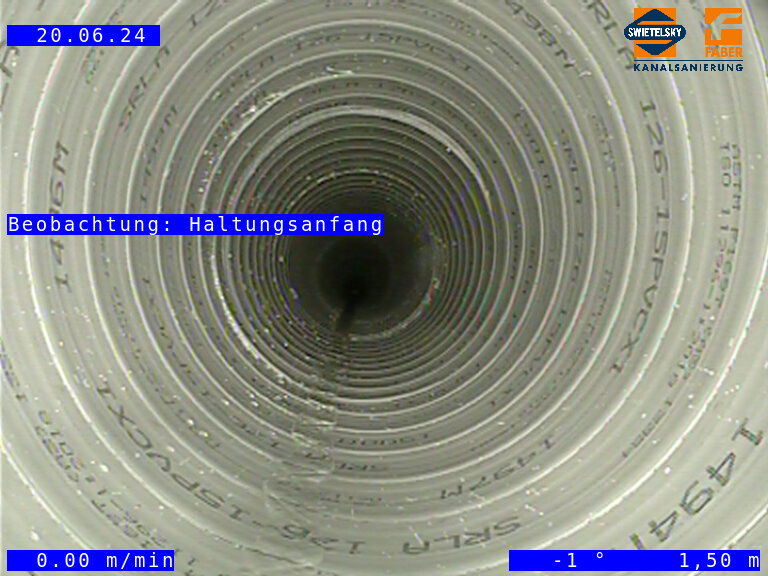
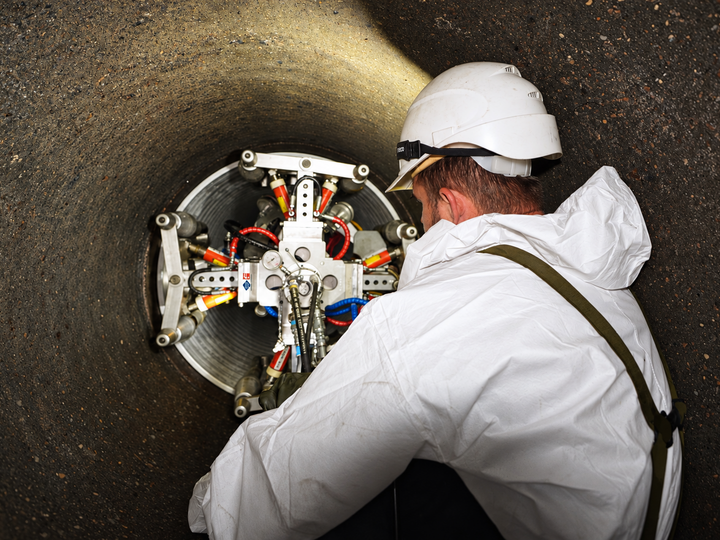
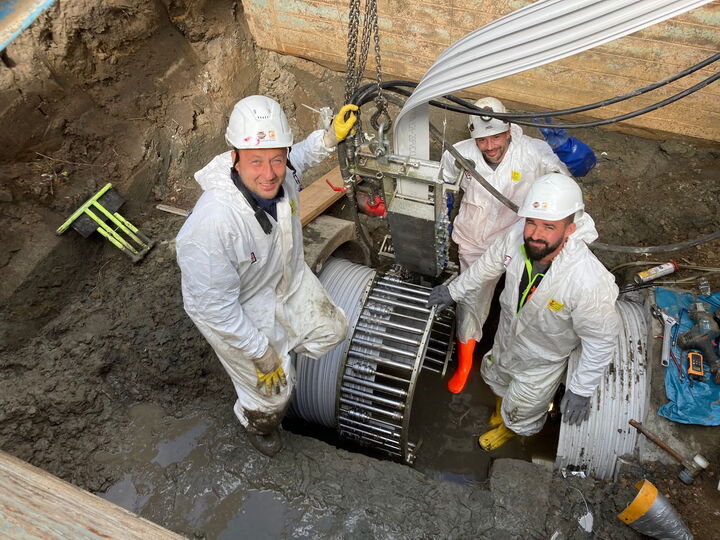
Given the complex framework conditions that led to the exclusion of conventional rehabilitation variants, the choice fell on spiral-wound pipe lining according to ISO 11296-7, Type SPR EX. The process enables resource-efficient use of materials and, for that reason alone, helps reduce environmental impact.
In view of the challenging local conditions and the prevailing ground and drainage conditions, this process variant offers maximum application range and enormous flexibility in execution.
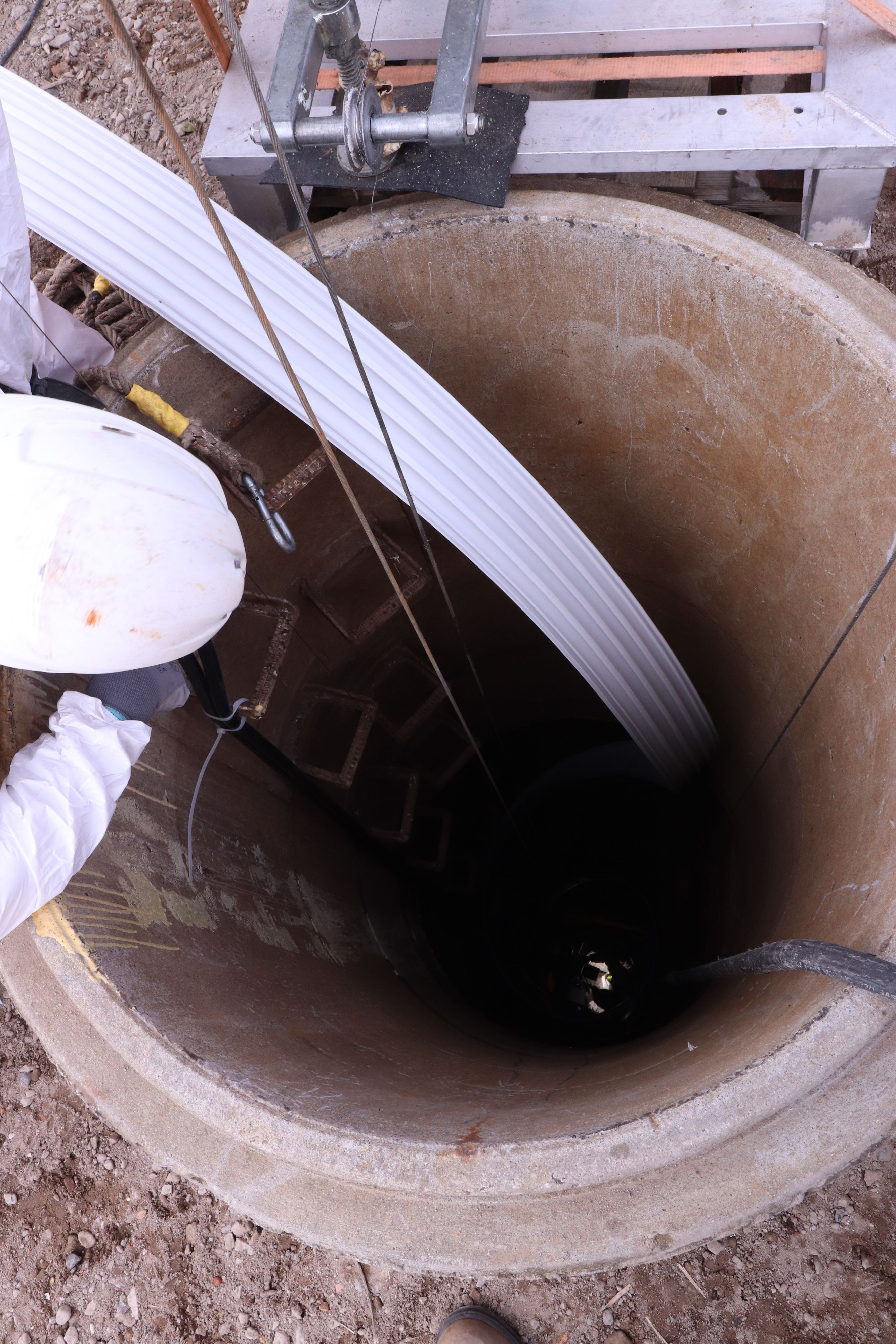
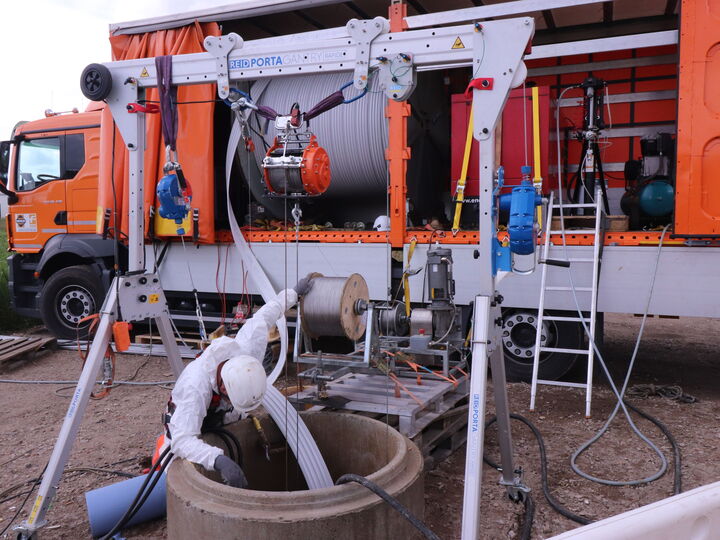
The modular plant design enables flexible adaptation of the equipment technology to the specific site requirements. The existing structures of the culvert are located in inaccessible terrain – no problem: every device of the SPR EX technology can be transported independently to the place of use. This ensures a high degree of flexibility and efficiency even under the most demanding site conditions. Liner installation can be interrupted at any time – there is no "point of no return" with this execution variant. This is very helpful in the event of exceptional upstream discharge volumes or during heavy rainfall events.
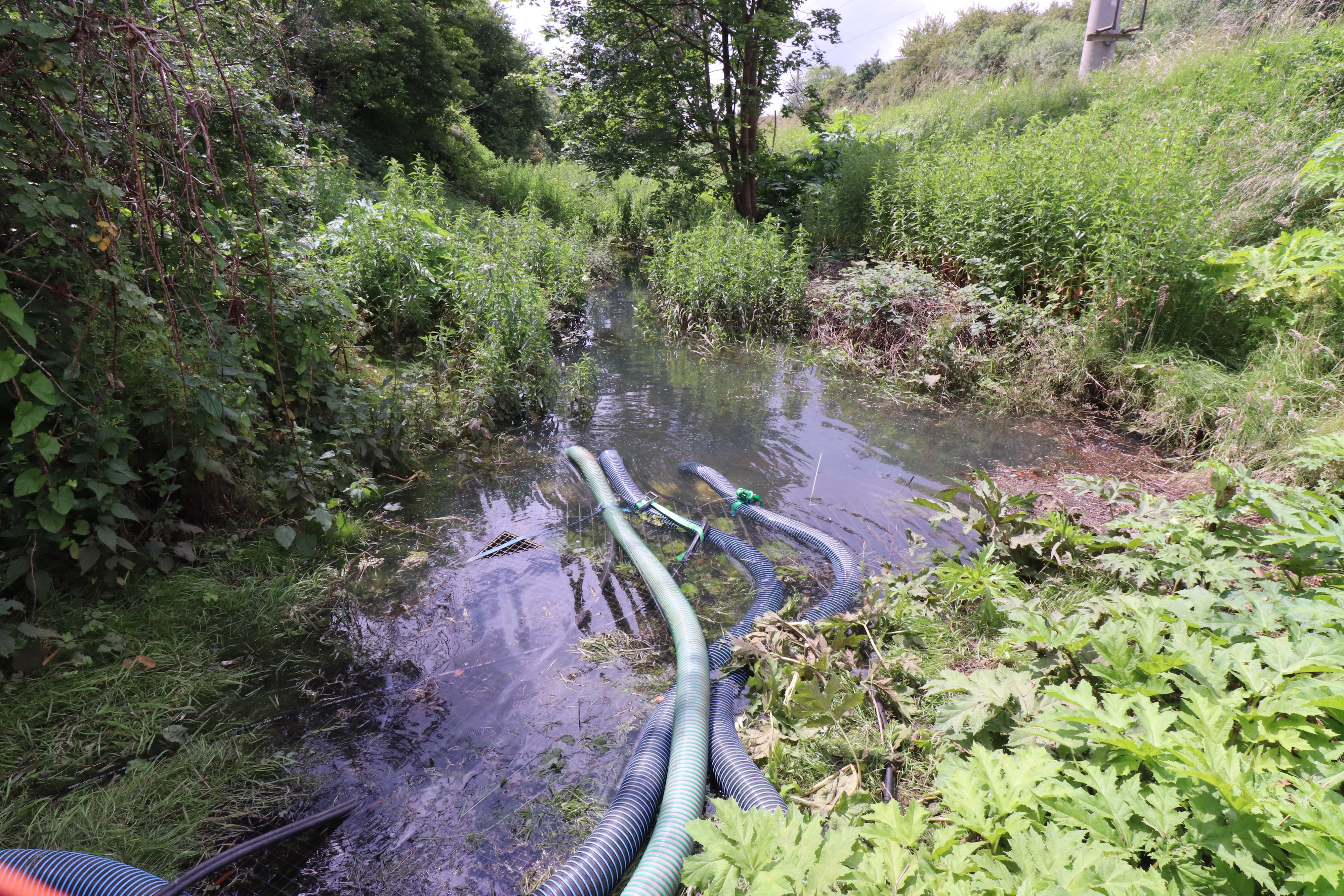
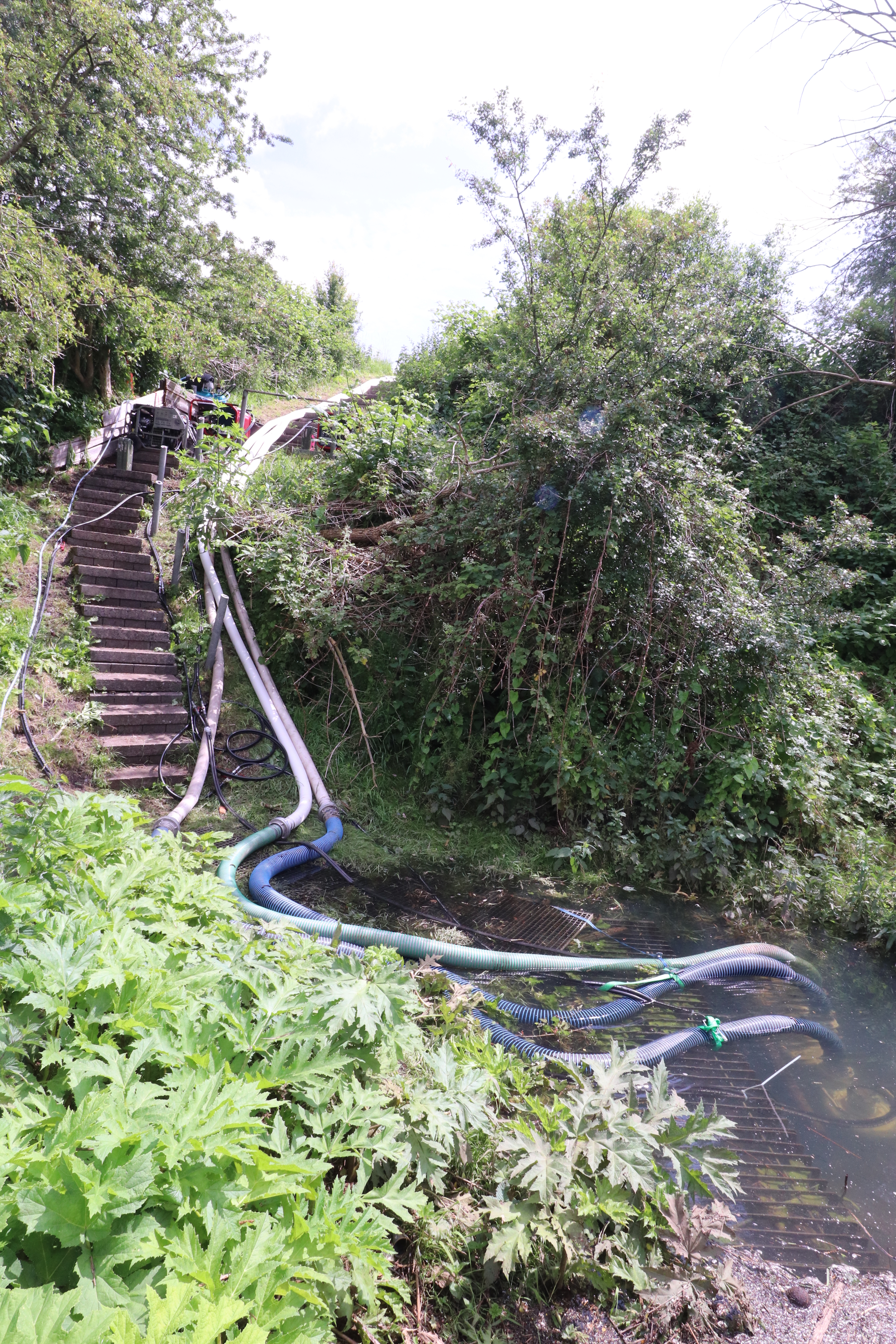
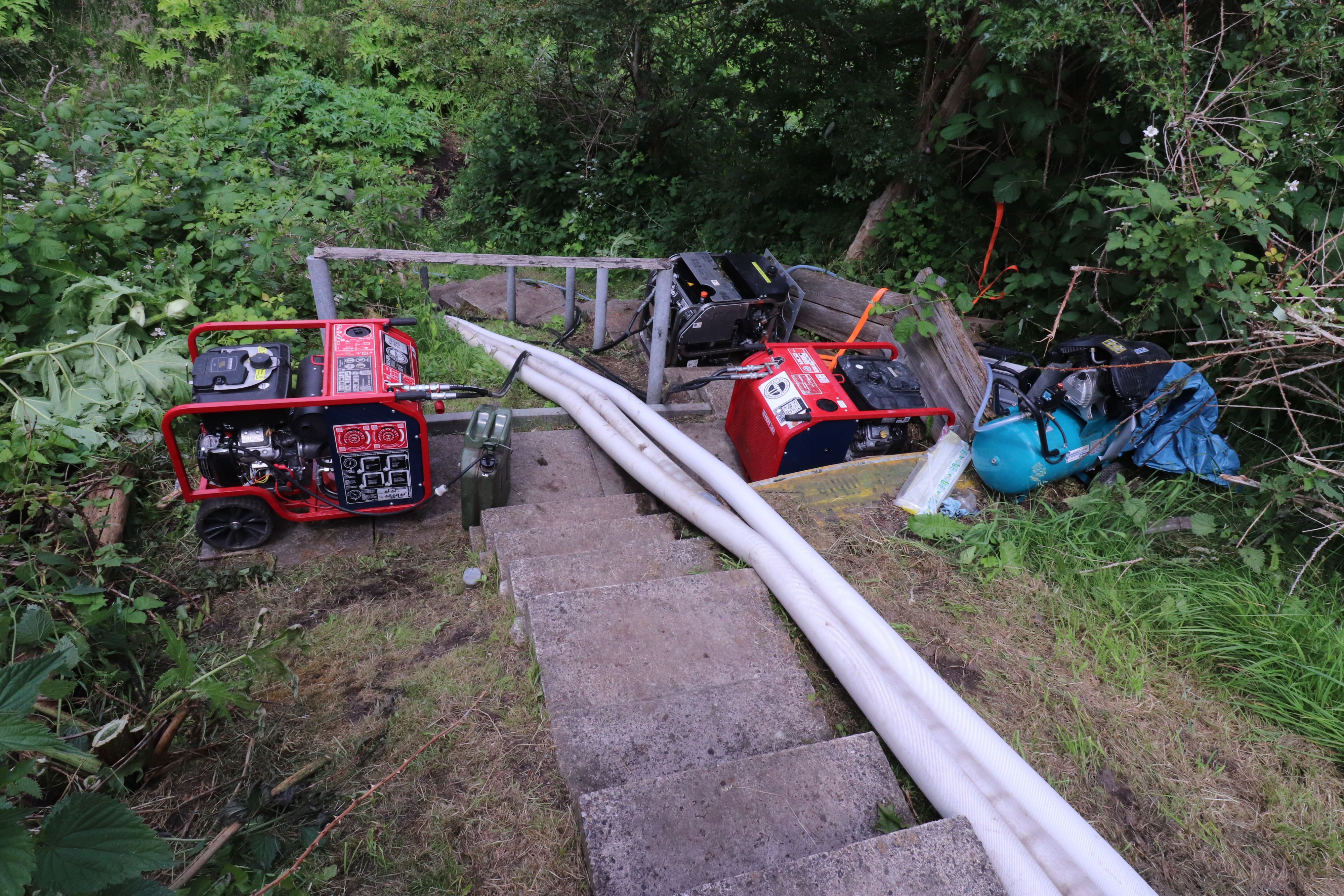
Before the repair work began, the strongly flowing watercourse had to be diverted by means of a complex flow diversion (Figure 3). Access to the inlet structure posed a challenge, as it could only be reached on foot via a steep staircase 100 meters long. Thus, the required materials and equipment technology were transported partly by hand or by means of specially constructed aids such as chutes and inclined hoists to the pipe inlet (Figure 4).
Safe working under rail operations
A further logistical challenge was the railway line running parallel to the open water, whose operation was not to be impaired at any time. Only with precise work preparation and professional coordination with the responsible authorities could the construction work be carried out without any impairment to rail traffic.
The safety of the specialists working on site had highest priority. A detailed risk assessment was created, the personnel were comprehensively trained, and the work was continuously monitored by the local site management.
Sustainable Project Success
Through the successful construction measure, the functionality of the flowing water body could be secured in the long term. Thus, a valuable contribution to water protection was made.
The Swietelsky-Faber team thus not only made a resource-saving solution possible, but also achieved a high degree of economy; in addition, it helped to avoid significant environmental pollution and to preserve the recreational value of the natural landscape in the long term.
Therefore, the economic, ecological and social aspects of sustainability were taken into the highest account with this measure.
Our thanks go to the entire team for their commitment, as well as to the client and all partners for the constructive cooperation. This project once again shows how sustainable pipe rehabilitation can effectively help conserve resources and protect our environment.
More projects
-
Leipzig / Stuttgart
-
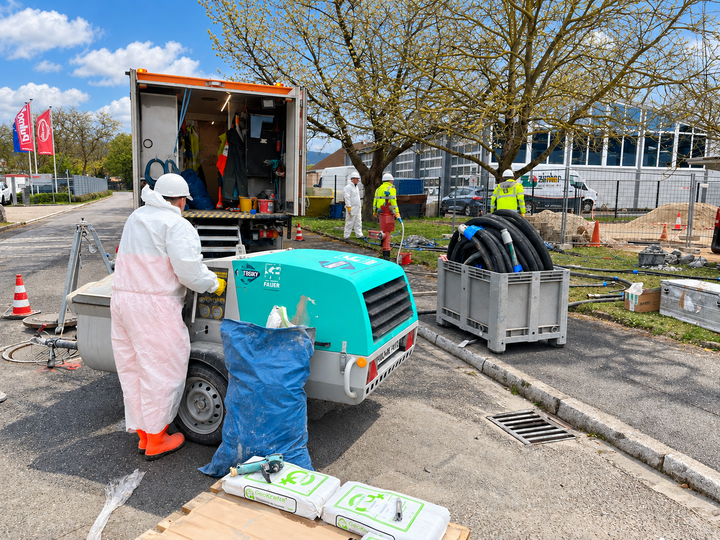
Mülheim: Sustainable large-profile rehabilitation with GeoKrete®
Freilassing
-
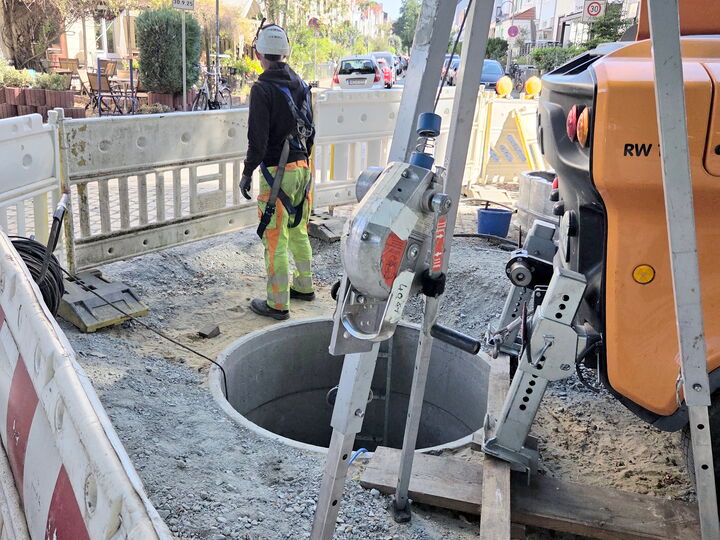
Bremen: Combined sewer in egg-profile renovated with UV liner
Blomberg / Hamburg / Hamburg Head Office
-
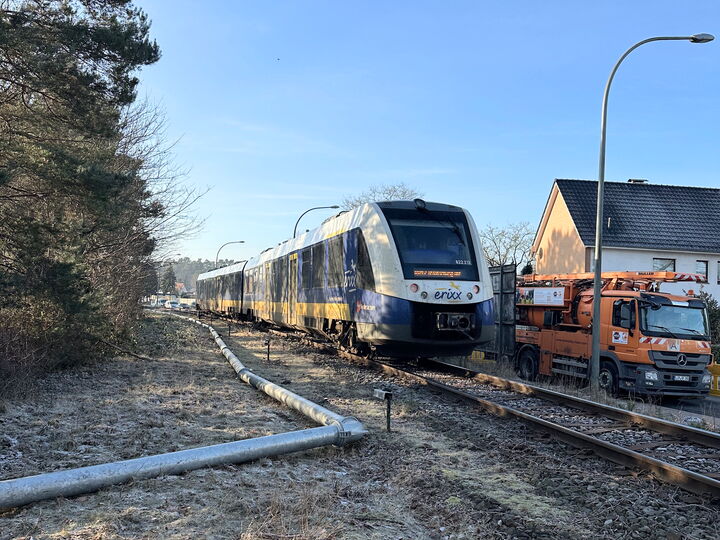
Gifhorn: Premiere in the railway environment of Deutsche Bahn
Blomberg
-
Bodenheim: Close-fit method secures drinking water transport pipeline
Alzey / Hörsching
-
Staßfurt: Sustainable coating of a brine tank
Nuremberg
-
Oberaudorf: Concrete rehabilitation of the Röthenbach stream culvert
Freilassing
-
Tegernsee Brewery: Trenchless manhole rehabilitation with polyurea
Freilassing / Nuremberg
-
Power plant pipelines: Tailor-made solutions
Hörsching
-
Germering: Sustainable pipe rehabilitation reduces energy demand in wastewater treatment plants
Freilassing
-
Herrenmühle Aulendorf: Pressure pipeline sustainably rehabilitated
Hörsching / Landsberg
-
Altrip: Trenchless rehabilitation secures flood protection at the pumping station
Alzey
-
Flensburg: Wound pipe technology in use beneath a former landfill
Hamburg / Leipzig
-
Wermelskirchen: Liner pipe technology shows strengths in combined rehabilitation
Alzey / Leipzig
-
RHV Mittleres Rodltal: Mouth profile rehabilitated with UV pipe liner
Hörsching
-
Neuss: Sewer rehabilitation in large dimensions DN 1200–1500
Blomberg
-
Freyburg relies on SPR-EX wound pipe technology
Hamburg / Leipzig