Hörsching
Pipe rehabilitation
Author: Dipl.-Ing. Viktor Stoichovski, Deputy Branch Manager of Swietelsky-Faber Kanalsanierung GmbH, Austria
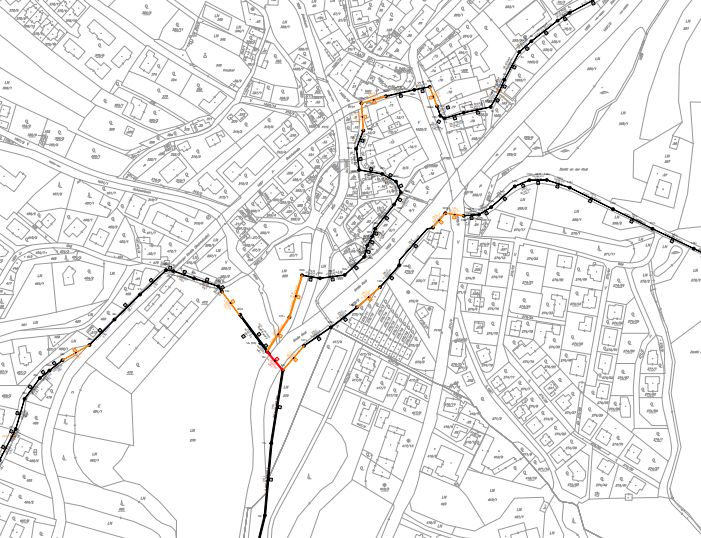
The market municipality of Zwettl an der Rodl (Upper Austria) commissioned the engineering office KARL & PEHERSTORFER ZT-GmbH last year to plan the project "RHV Mittleres Rodltal BA07 Sewer Rehabilitation 2024-2025". As part of the rehabilitation measures, three sections of a box profile (1200/750) over a total length of about 120 meters had to be renovated.
Initial situation and challenge
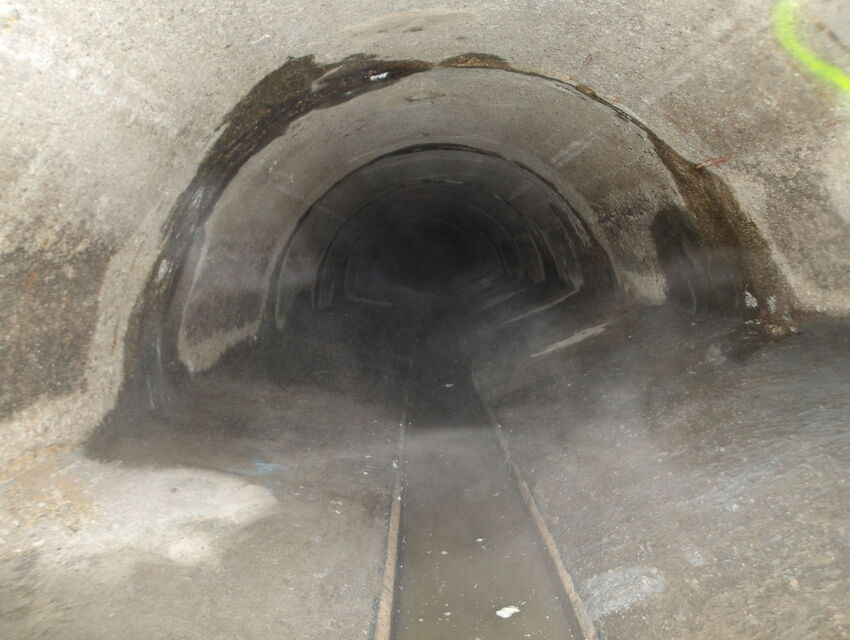
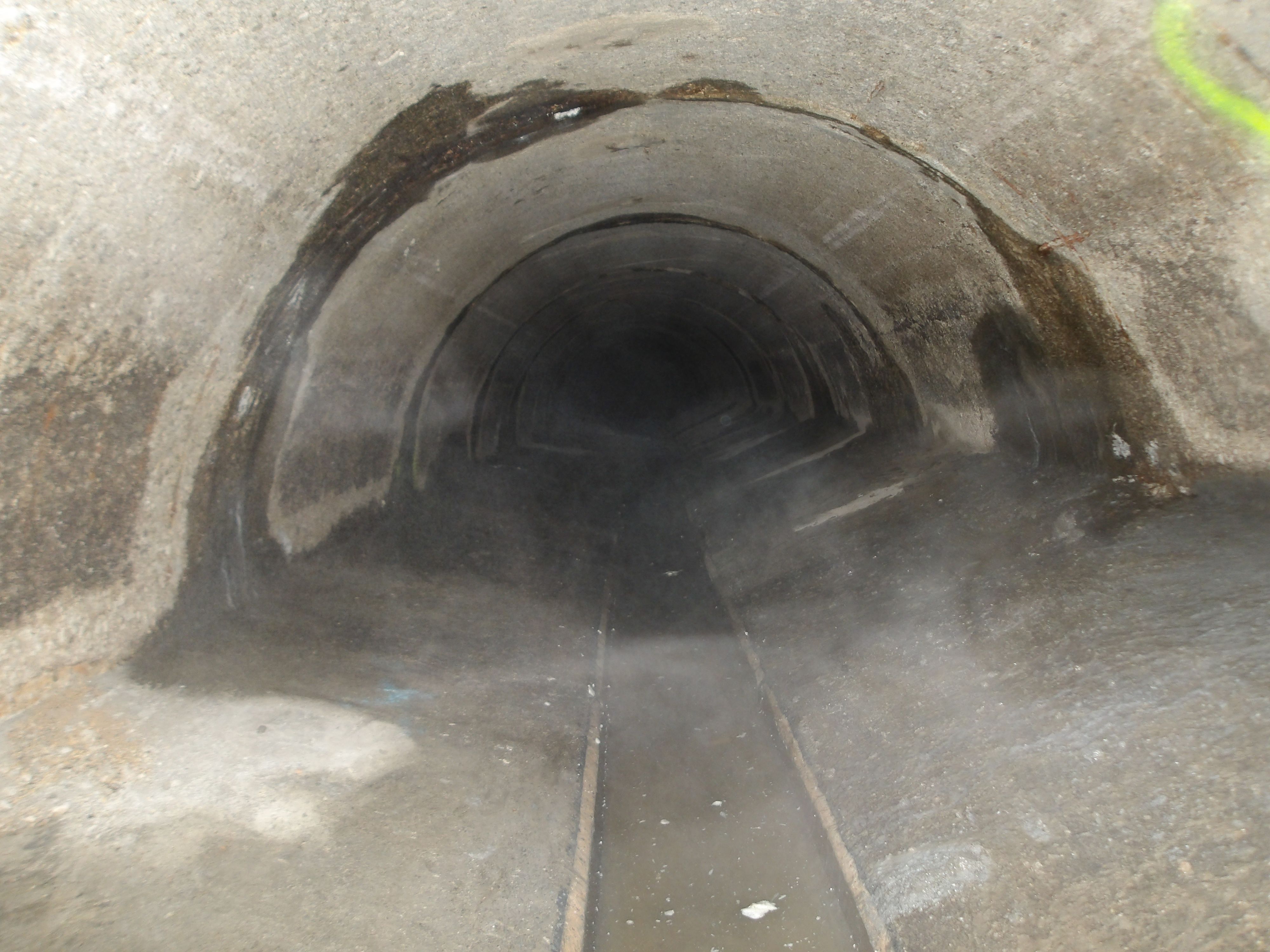
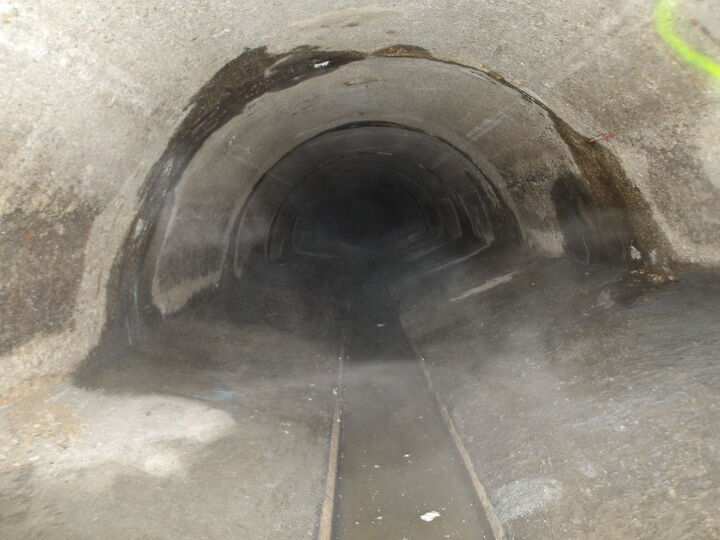
The affected sections had an integrated stoneware channel, yet mechanical wear in the area of the pipe invert was evident. In some sections, wall parts were already missing, which made short-term rehabilitation necessary to maintain operational safety. The aim was to prevent further damage and restore the durability of the sections. After careful review of various rehabilitation methods, the trenchless inliner method with a GRP liner and UV light curing was chosen. Open replacement was ruled out due to time constraints imposed by higher-level construction measures. From an ecological and economic point of view, the right decision!
Preparatory work
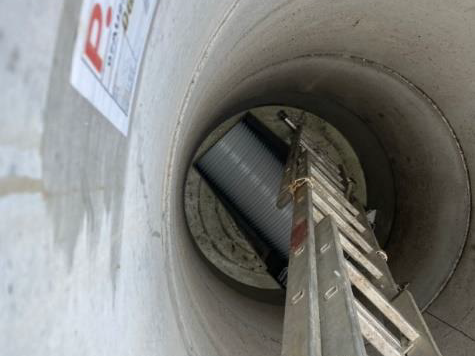
To install the GRP liner, the access shaft had to be prepared. The existing cone was removed and the clear opening was enlarged from 0.6 m to 1.00 m. To ensure construction site logistics and protect unpaved areas, a temporary construction road was built. After completion of the work, a civil engineering company professionally restored the shaft and returned the area to its original state.
Before the liner was pulled in, several preparatory measures were required: The damaged invert areas and side surfaces of the egg profile were repaired using a mineral mortar system, heavy incrustations were removed, and leaks were sealed by injecting PU foam.
This process was carried out manually, with the affected areas first sealed with a water-stop injection and then filled with a fast-setting mineral mortar system. This procedure was of crucial importance because there was a risk of saponification if the impregnated glass-fiber fabric had come into contact with water before or during curing. Such contact would have caused delamination of the material, which would have made the liner defective and possibly leaky in the affected areas once cured.
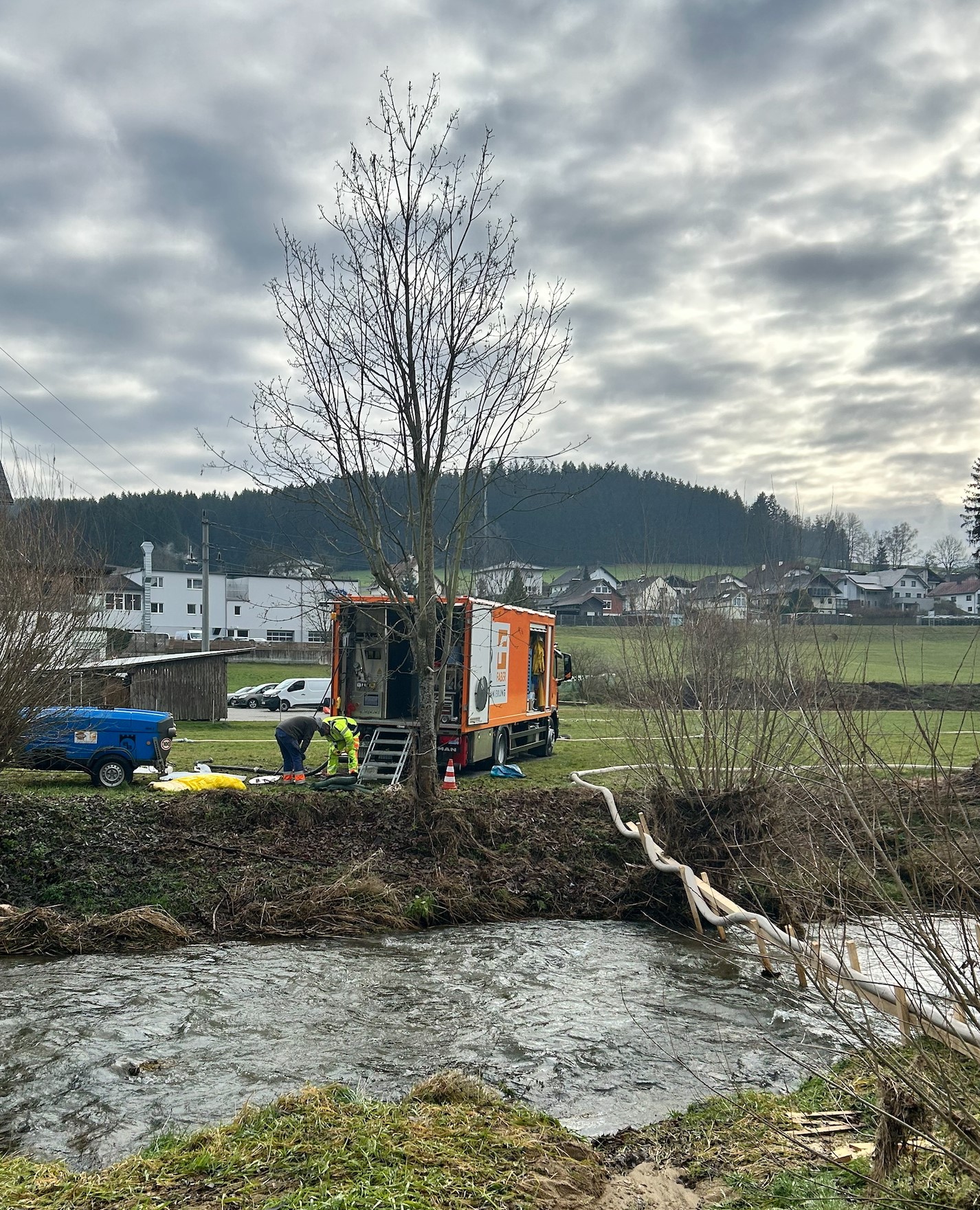
Flow diversion was carried out via an above-ground bypass solution, through which the wastewater was pumped during the rehabilitation phase.
GRP liner installation with UV light curing
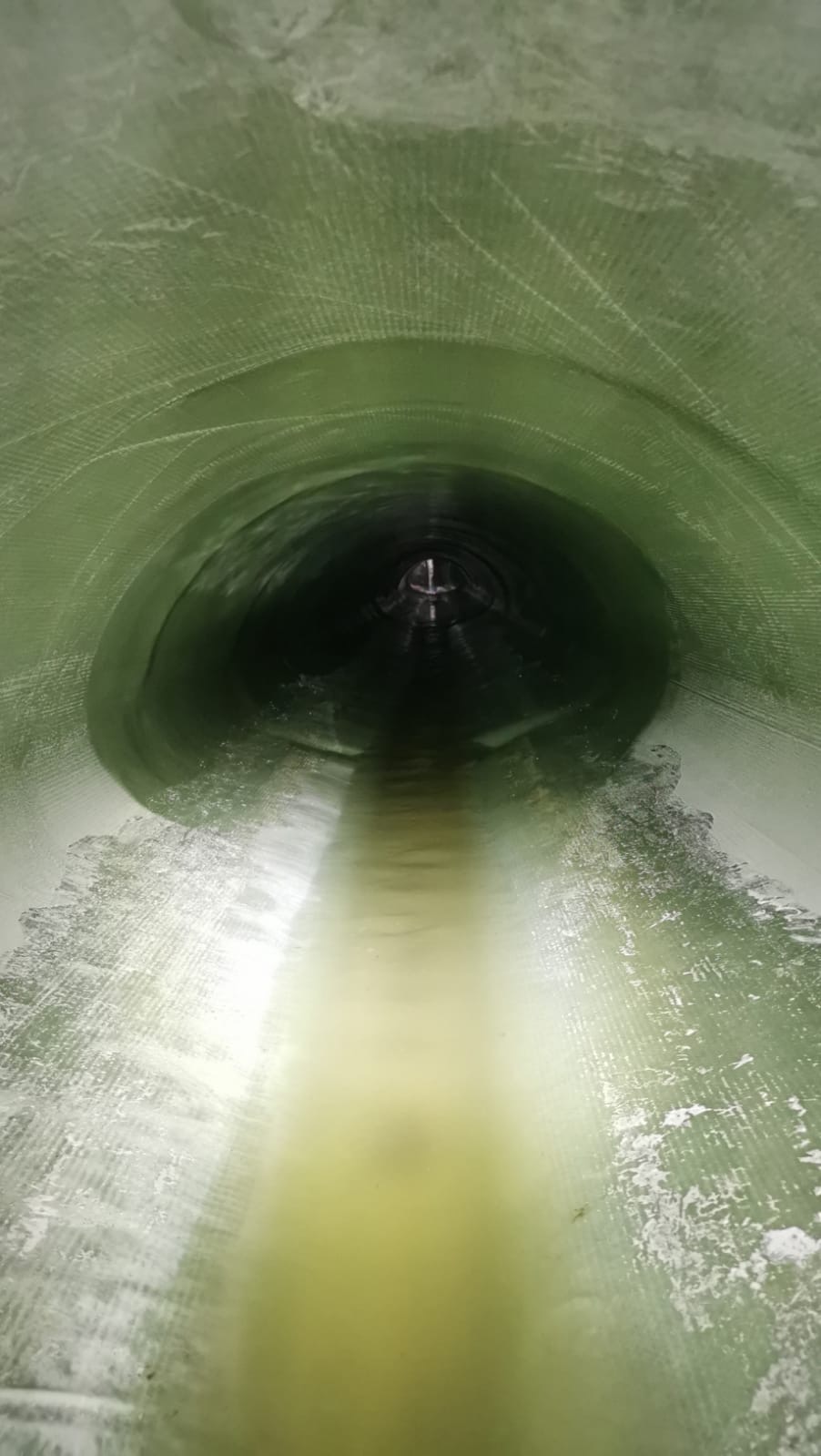
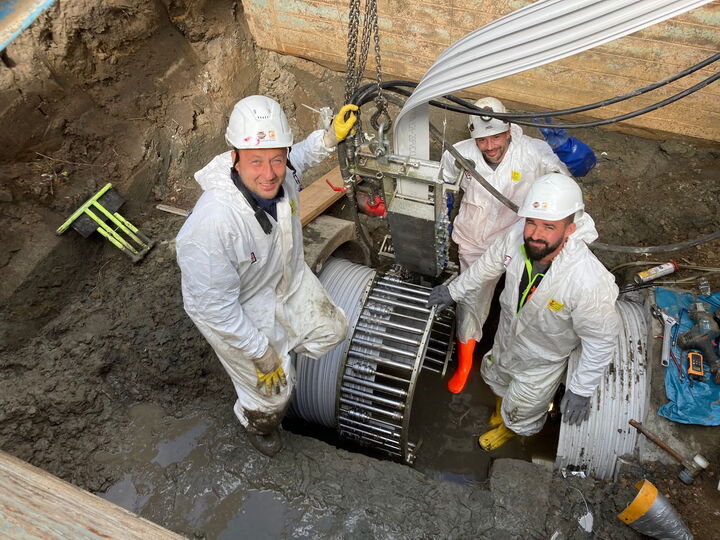
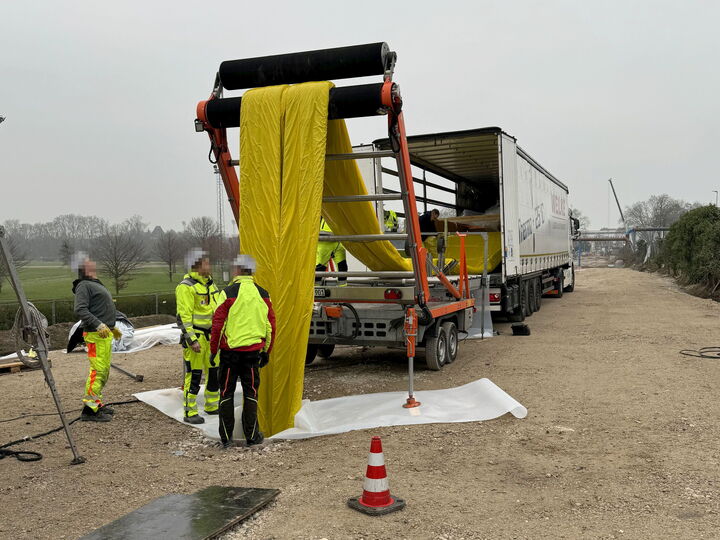
The IMPREGLiner GL16 (DN 1025, wall thickness 12.8 mm) with a length of approx. 130 meters was used. Thanks to peroxide technology, complete curing was ensured even with greater wall thicknesses. The liner was pulled in by means of a winch and conveyor belt directly from the transport vehicle into the sewer section.
Next, the liner was pneumatically expanded into a form-fit position and the UV lamp unit was inserted. Curing took place in a defined process:
- Insertion of the UV lamp unit into the temporarily opened liner
- Generation of the pneumatic installation pressure
- Activation of the UV lamps
- Controlled curing at a defined speed
Successful project completion
Despite challenging conditions - extensive preparatory work, difficult accessibility, and weather-related restrictions - the project was completed on schedule. The rehabilitation restored the structural integrity of the sections and secured their long-term functionality.
Special thanks go to all those involved for their excellent cooperation and the successful completion of the project. We are proud to reliably carry out such projects even under demanding conditions.
Trenchless rehabilitation - Sustainable and forward-looking!
Swietelsky-Faber - For the sake of the environment!
More projects
-
Leipzig / Stuttgart
-
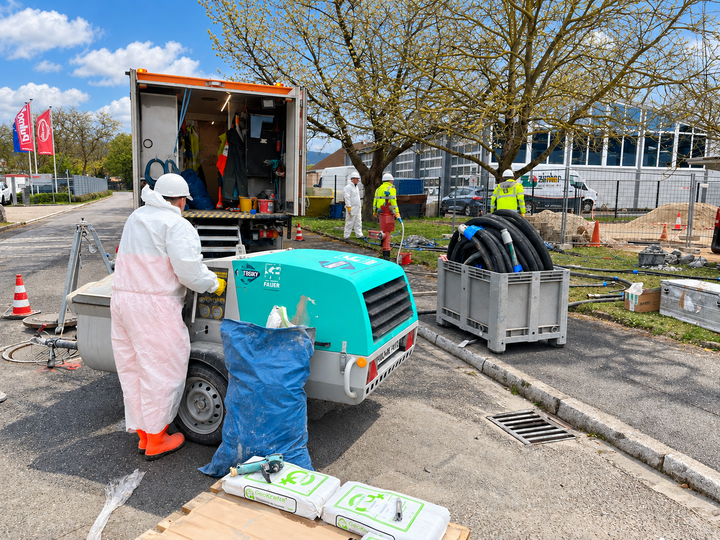
Mülheim: Sustainable large-profile rehabilitation with GeoKrete®
Freilassing
-
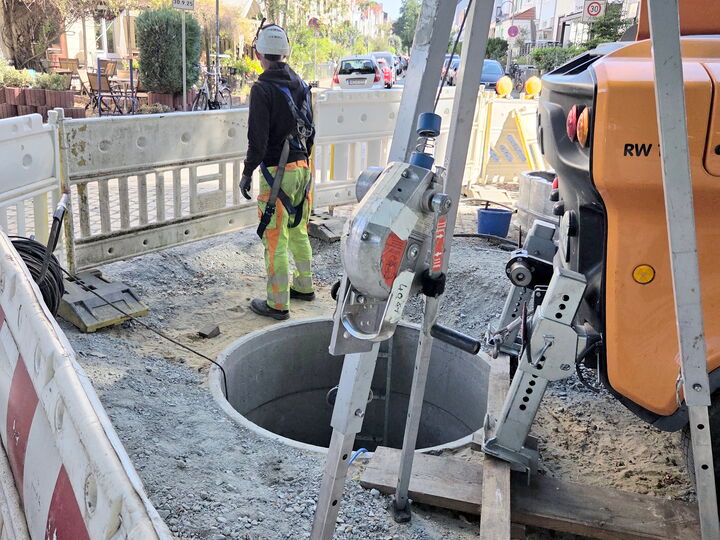
Bremen: Combined sewer in egg-profile renovated with UV liner
Blomberg / Hamburg / Hamburg Head Office
-
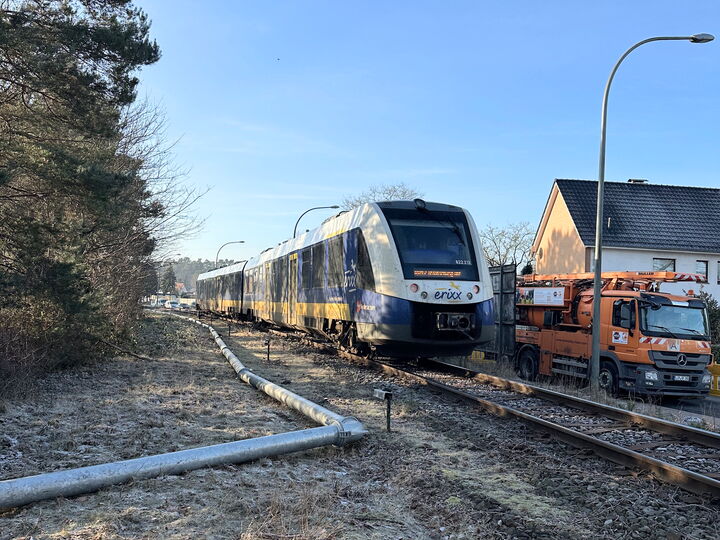
Gifhorn: Premiere in the railway environment of Deutsche Bahn
Blomberg
-
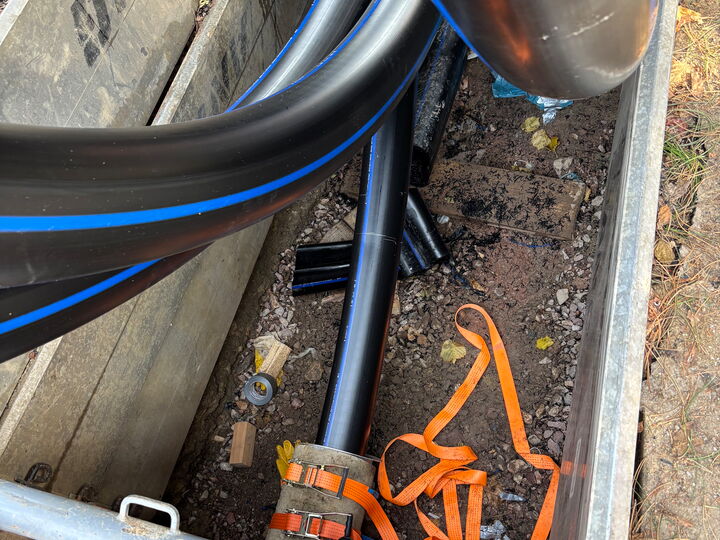
Bodenheim: Close-fit method secures drinking water transport pipeline
Alzey / Hörsching
-
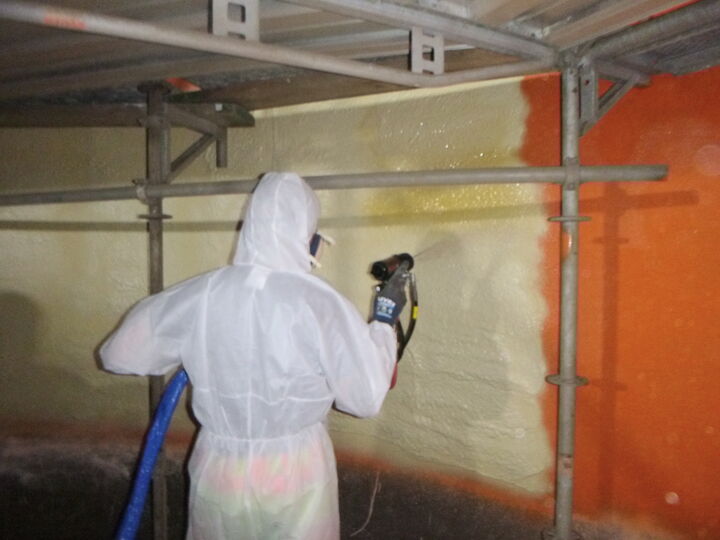
Staßfurt: Sustainable coating of a brine tank
Nuremberg
-
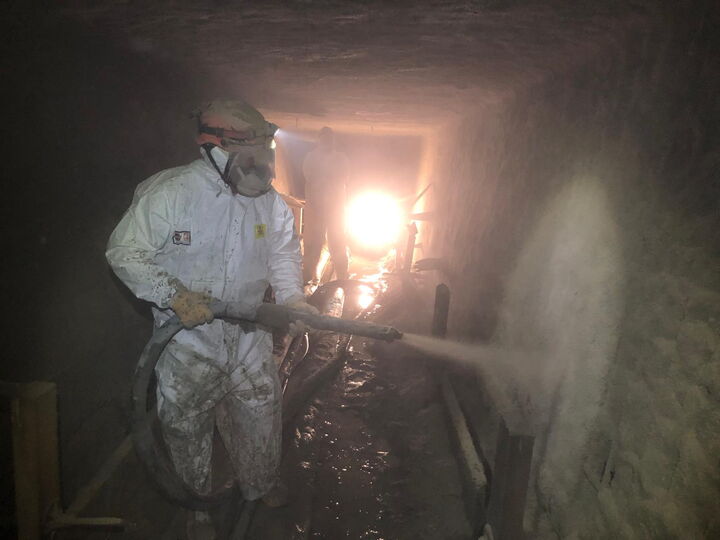
Oberaudorf: Concrete rehabilitation of the Röthenbach stream culvert
Freilassing
-
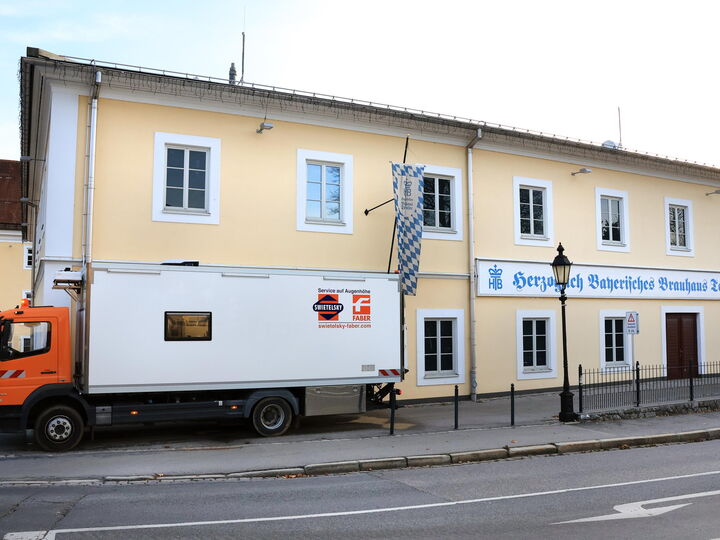
Tegernsee Brewery: Trenchless manhole rehabilitation with polyurea
Freilassing / Nuremberg
-
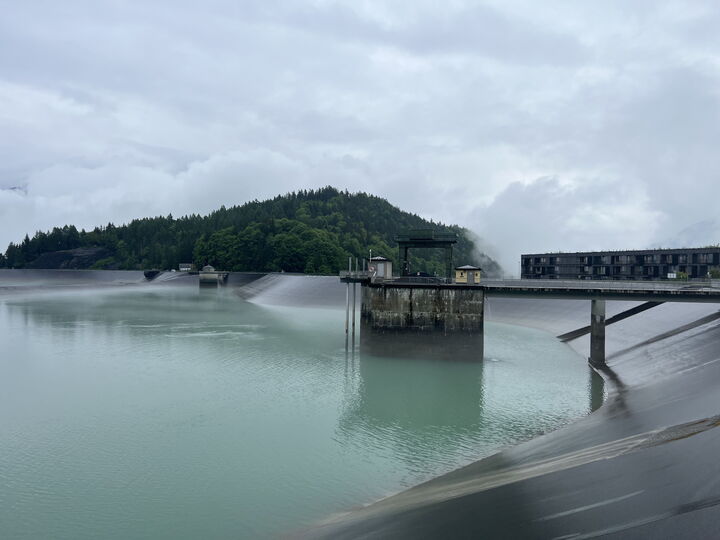
Power plant pipelines: Tailor-made solutions
Hörsching
-
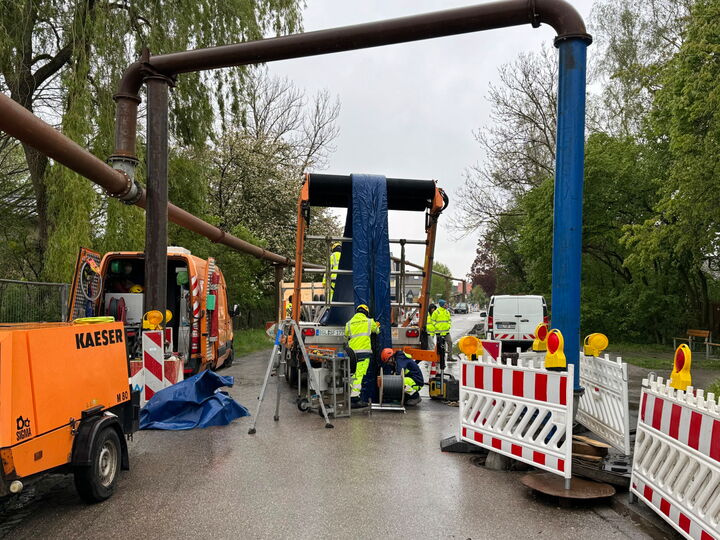
Germering: Sustainable pipe rehabilitation reduces energy demand in wastewater treatment plants
Freilassing
-
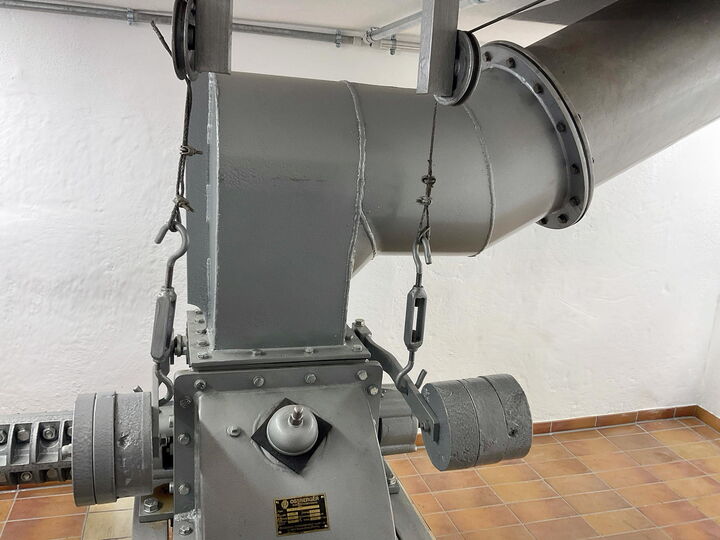
Herrenmühle Aulendorf: Pressure pipeline sustainably rehabilitated
Hörsching / Landsberg
-
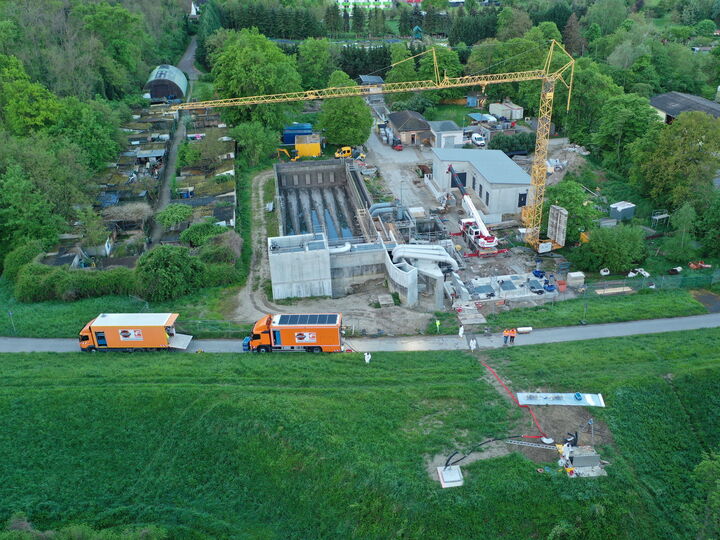
Altrip: Trenchless rehabilitation secures flood protection at the pumping station
Alzey
-
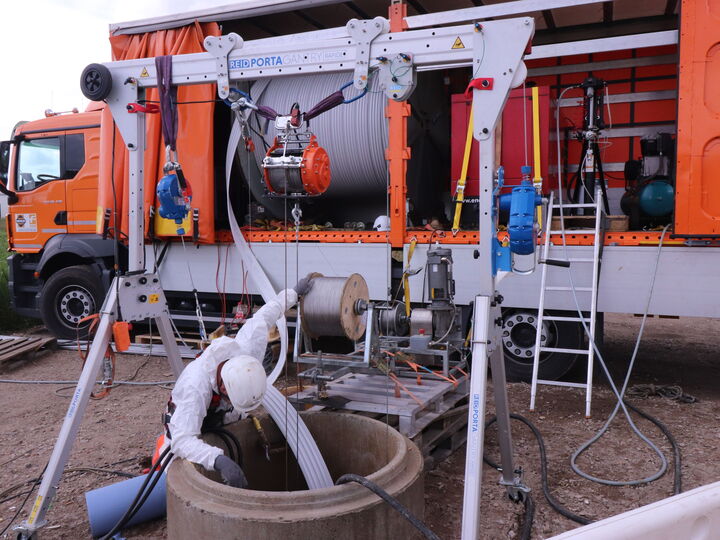
Flensburg: Wound pipe technology in use beneath a former landfill
Hamburg / Leipzig
-
Wermelskirchen: Liner pipe technology shows strengths in combined rehabilitation
Alzey / Leipzig
-
RHV Mittleres Rodltal: Mouth profile rehabilitated with UV pipe liner
Hörsching
-
Neuss: Sewer rehabilitation in large dimensions DN 1200–1500
Blomberg
-
Freyburg relies on SPR-EX wound pipe technology
Hamburg / Leipzig